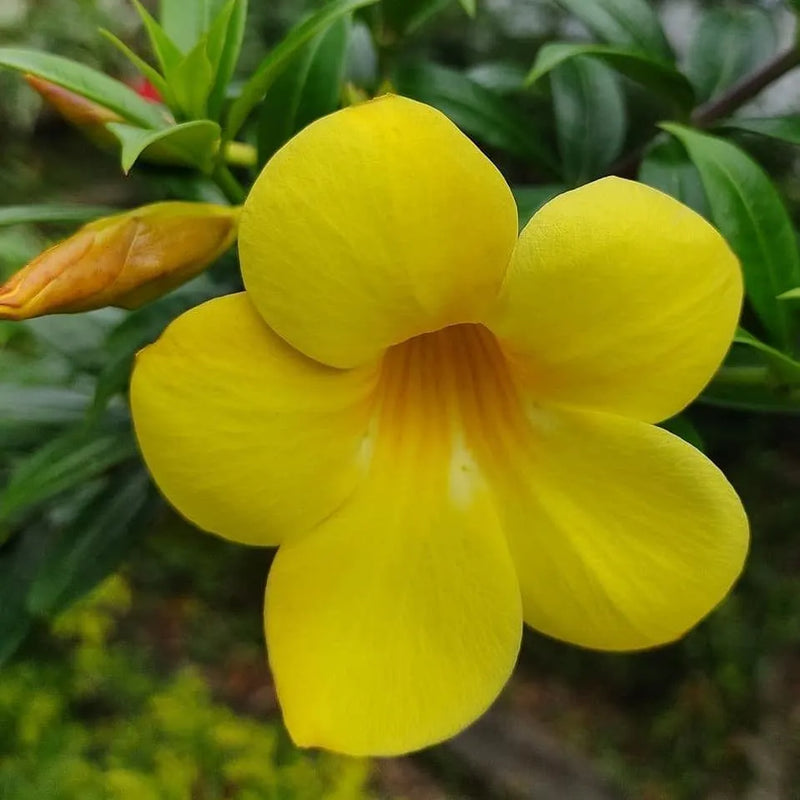
Why Grow Sanderi Dipladenia Seeds
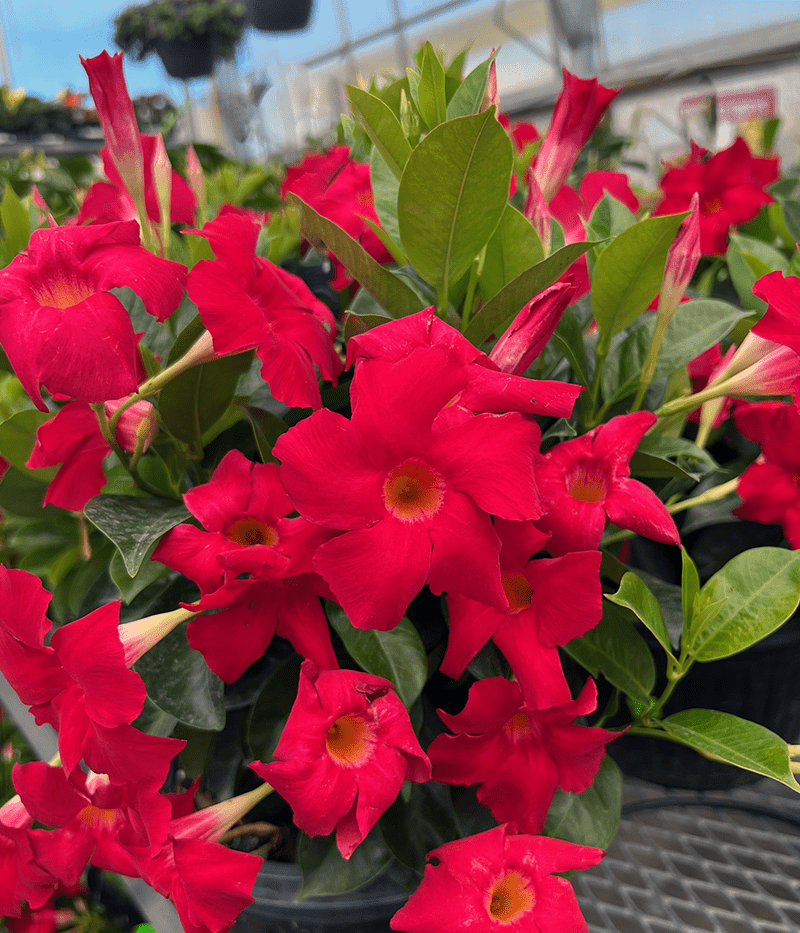
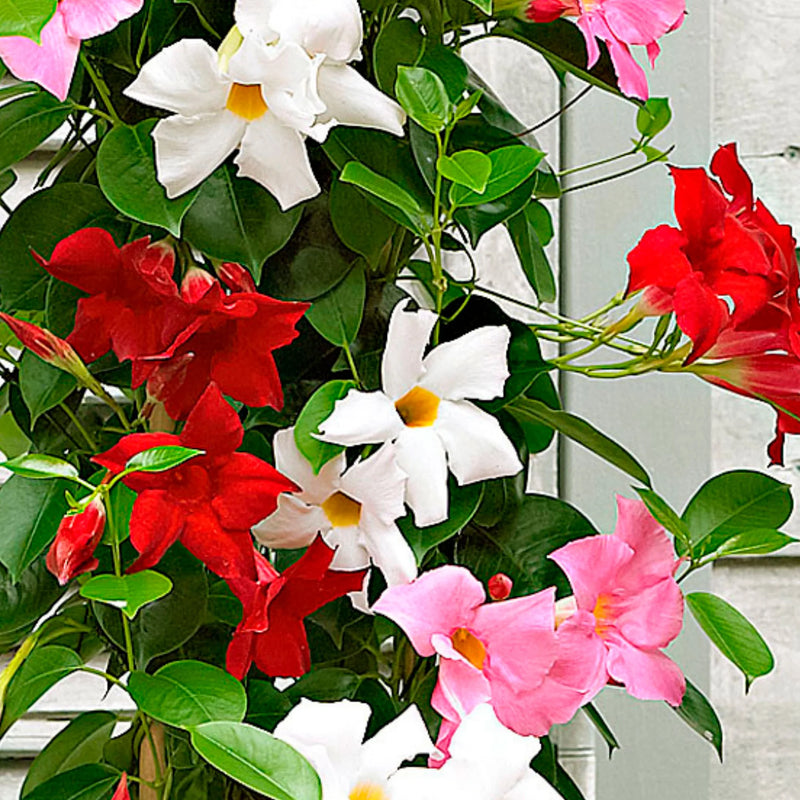
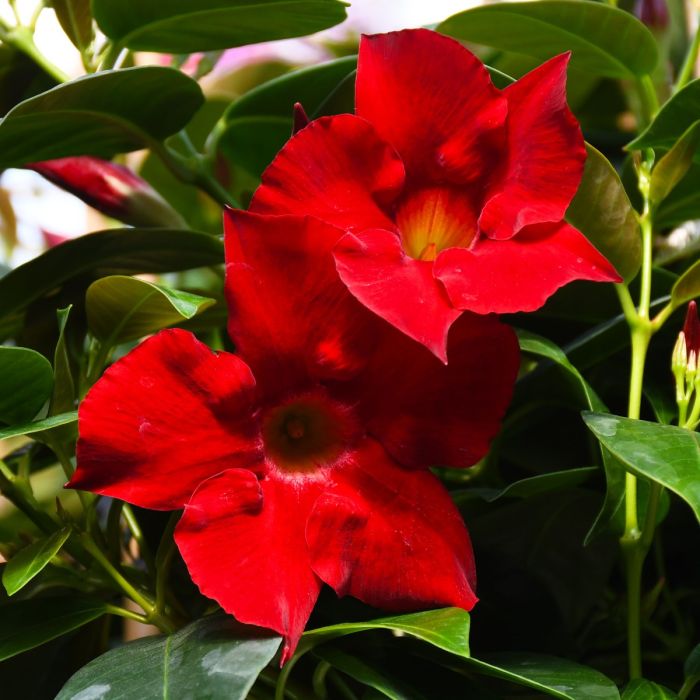
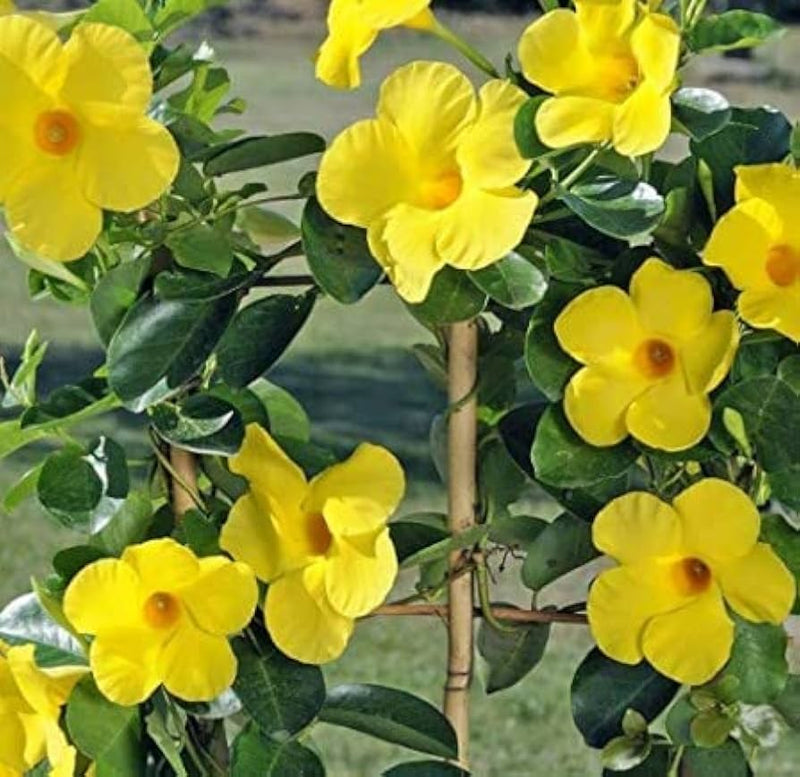
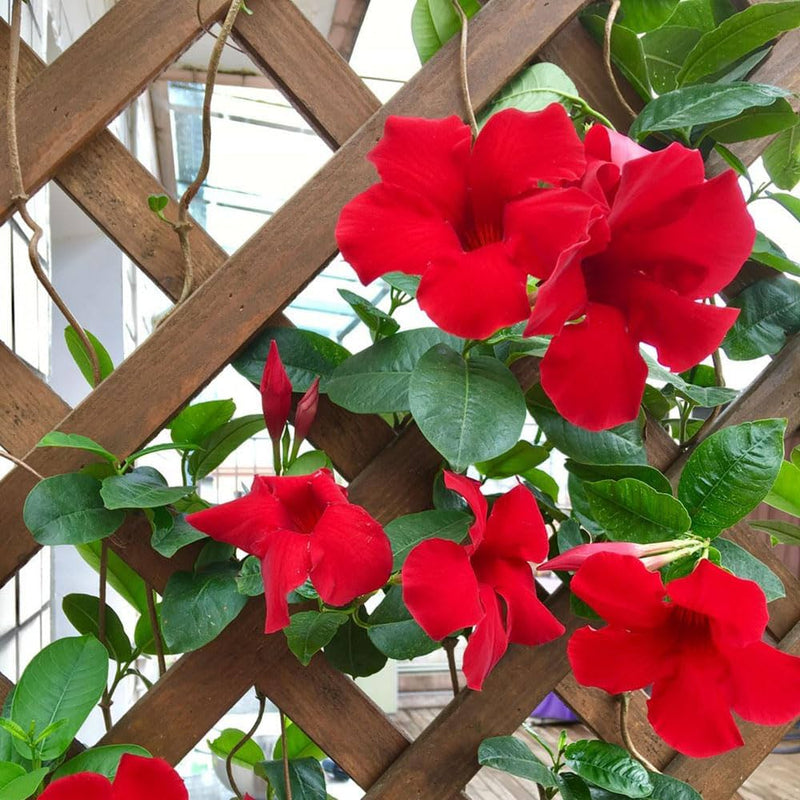
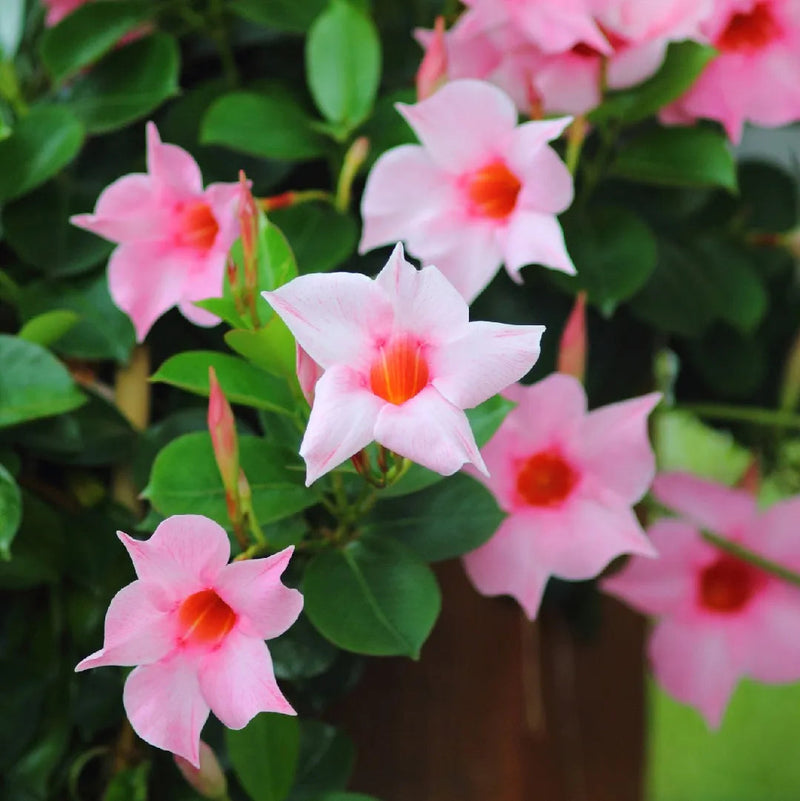
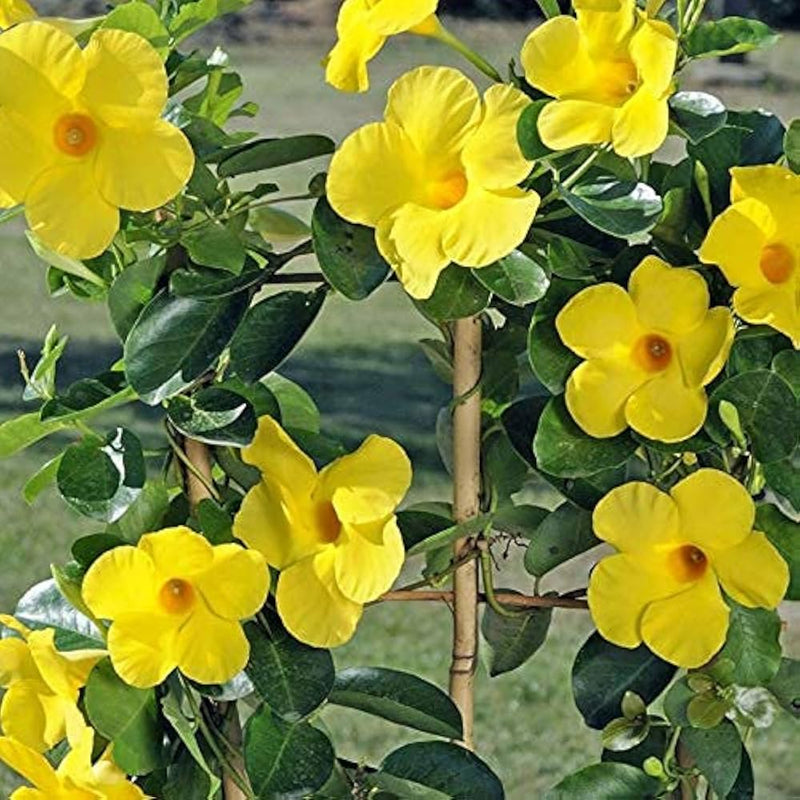
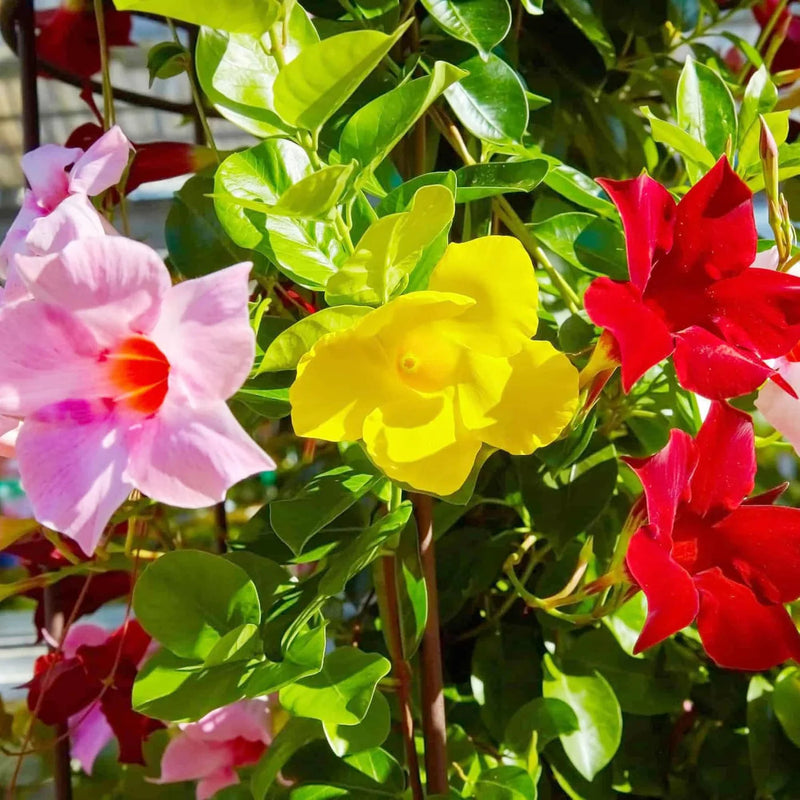
Dipladenia and Mandevilla are basically the same plant under two different common names, and Sanderi is one of the true species behind a lot of what's sold under both labels — glossy, dark green leaves climbing eagerly up anything nearby, topped with bold, funnel-shaped flowers most often seen in vivid pink, though red and white forms exist too. It's a genuinely fast grower once it settles in, which makes it a satisfying choice for covering a trellis, arbor, or fence in a single warm season.
A quick, honest note on seed-grown Dipladenia: many of the named varieties sold in garden centers are patented hybrid selections propagated only from cuttings, which won't reproduce true from seed even if they happened to set any. Mandevilla sanderi itself, however, is a true species, and seed-grown plants generally resemble the species reasonably well — expect some natural variation in vigor and bloom size from plant to plant, which is normal and part of the fun of growing from seed rather than a cloned cutting.
Ila Seeds carries fresh, quality-tested Sanderi Dipladenia seeds for home gardeners.
What to Know Before Planting Sanderi Dipladenia Seeds
Growth Habit — This is a vigorous, twining climber that can reach several feet in height and spread over a single season, so give it a trellis, fence, or support structure to climb from the start.
Climate & Hardiness — A tropical perennial that has no frost tolerance, Sanderi Dipladenia is usually grown as an annual in cooler climates or brought indoors as a houseplant before frost.
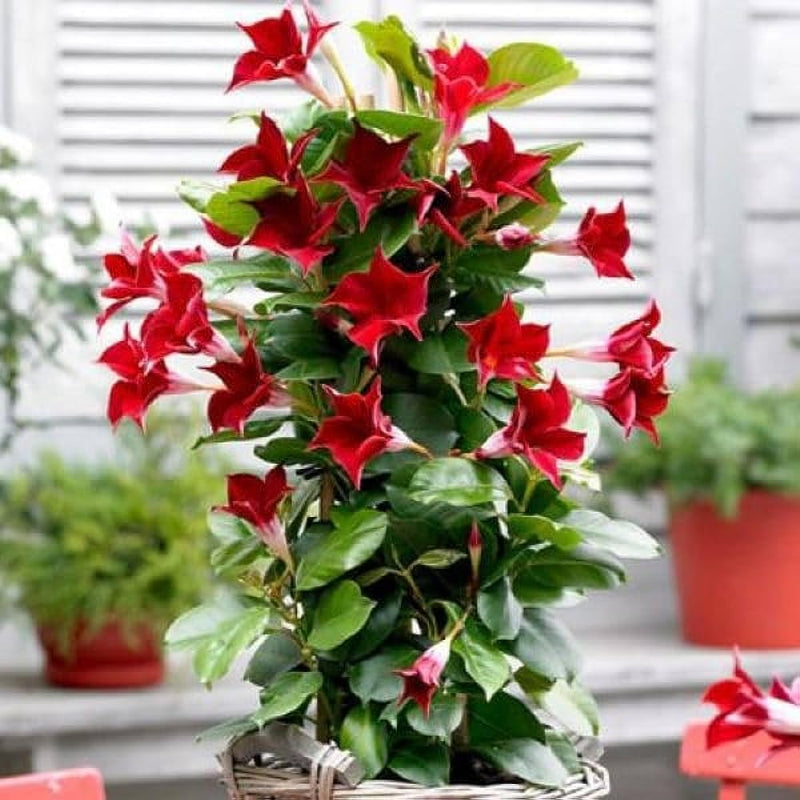
Container-Friendly — It performs well in pots, hanging baskets, and containers on patios or balconies, not just in the ground, which makes it a flexible choice for smaller spaces.
Gardening Insights: Growing Sanderi Dipladenia From Seed
Sunlight: Full sun to partial shade — more sun generally means more abundant flowering.
Soil: Well-draining potting mix or garden soil. Dipladenia dislikes sitting in soggy soil, so drainage matters more than richness.
Starting seeds: Soak seeds in water for about 12 hours before sowing. Sow shallowly, just barely covering with soil, and keep warm — around 65–75°F — and consistently moist. Bright, indirect light helps during germination, which typically takes around 3 to 4 weeks.
Timing: Start seeds indoors in late winter to early spring, transplanting outdoors once temperatures are reliably warm and frost danger has passed.
Care once established: Water regularly during the growing season, allowing the top of the soil to dry slightly between waterings. Feed lightly to support the long bloom period, and provide a trellis or support early so vines can climb as they grow. Watch for common pests like aphids, mealybugs, and spider mites, especially on plants grown indoors over winter.
Frequently Asked Questions
Is Dipladenia the same plant as Mandevilla?
Yes, largely — Dipladenia and Mandevilla are used interchangeably in the nursery trade for the same group of plants, including Mandevilla sanderi, the species behind this seed offering.
Will Sanderi Dipladenia grow true from seed?
Mandevilla sanderi is a true species, so seed-grown plants generally resemble the species reasonably well, though some natural variation in vigor and bloom size is normal. Many named commercial hybrid cultivars, by contrast, are propagated only from cuttings and don't come true from seed.
How long do Dipladenia seeds take to germinate?
Germination typically takes around 3 to 4 weeks under warm (65-75°F), consistently moist conditions with bright, indirect light.
Can Sanderi Dipladenia be grown in containers?
Yes — it performs well in pots and hanging baskets on patios and balconies, in addition to being grown in the ground with a trellis or support.
Where can I buy Sanderi Dipladenia seeds online?
Ila Seeds carries fresh, quality-tested Sanderi Dipladenia (Mandevilla sanderi) seeds for home gardeners. Browse the collection and we ship straight to your door.


 100% Organic Heirloom