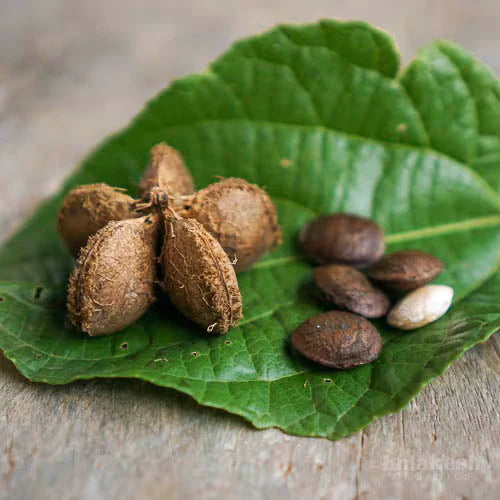
Sacha Inchi (Mountain Peanut) Plant Seeds - Superfood, Non-GMO, Organic 100 Pcs pcs
- 100 Pcs
- 500 Pcs
- 1000 pcs
- 2000 Pcs
Free Shipping On All Orders
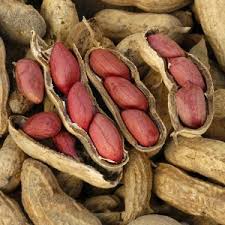
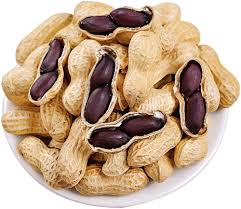
Grow your own homegrown peanuts with Ila Seeds' Peanut seeds. Arachis hypogaea is a warm-season legume with a genuinely unique growing process — its pods develop underground after the plant flowers above ground. Our Peanut seeds are fresh stock, quality-tested, and suited to home gardeners looking for an easy, kid-friendly, and rewarding crop to grow from scratch.
100% Organic Heirloom
11 products


Why Grow Peanut Seeds at Home
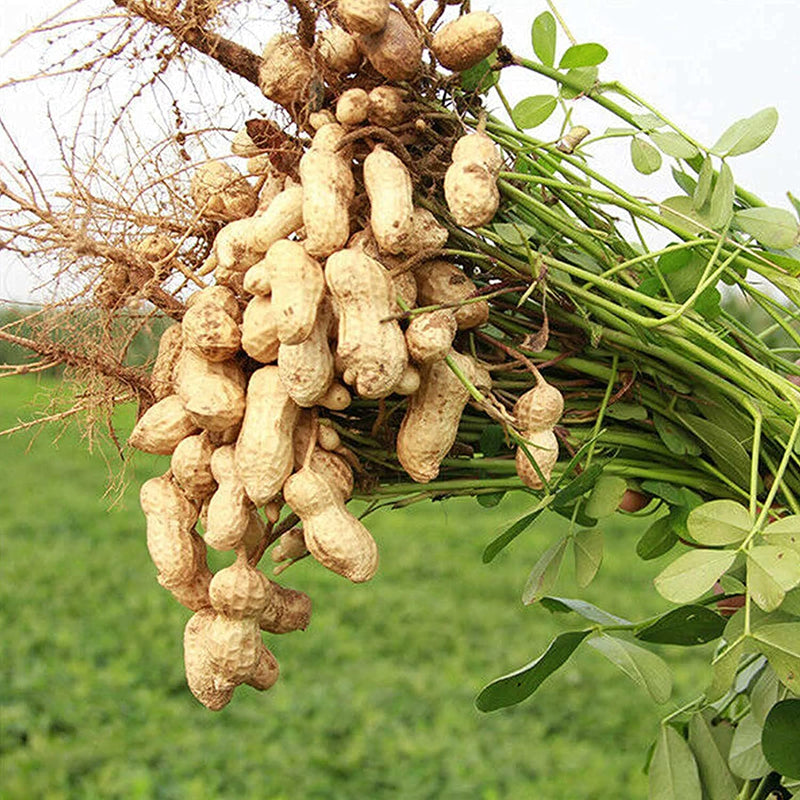
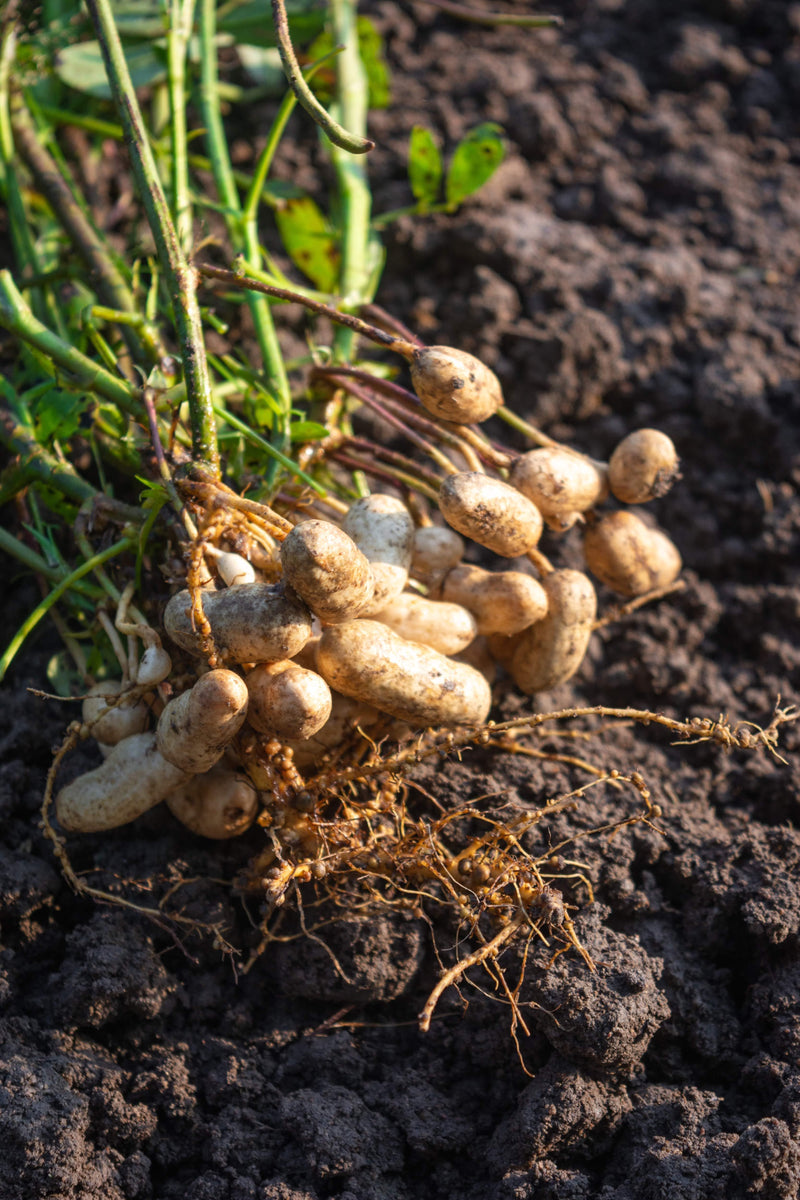
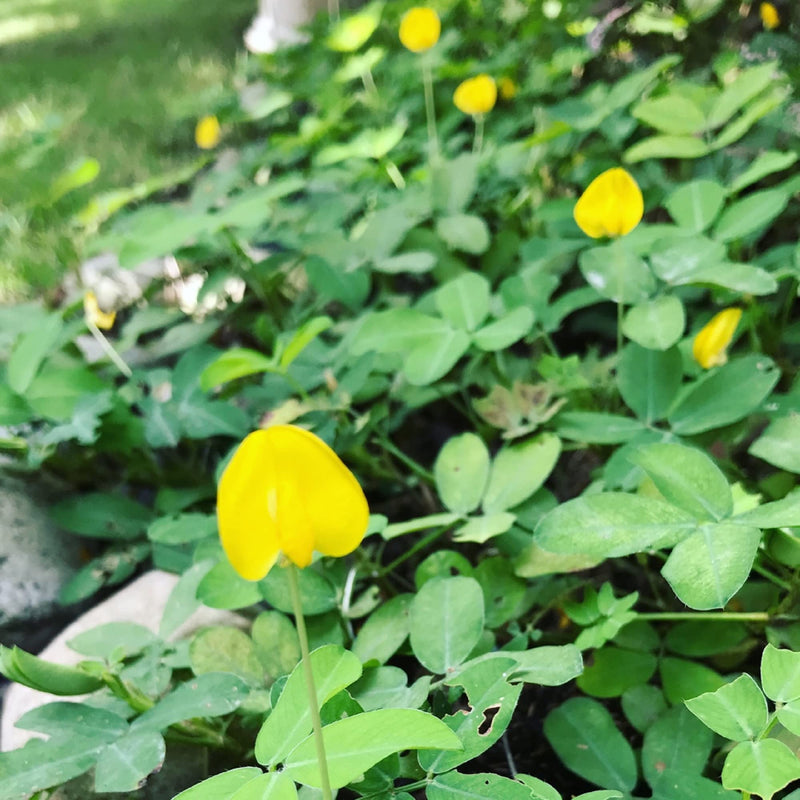
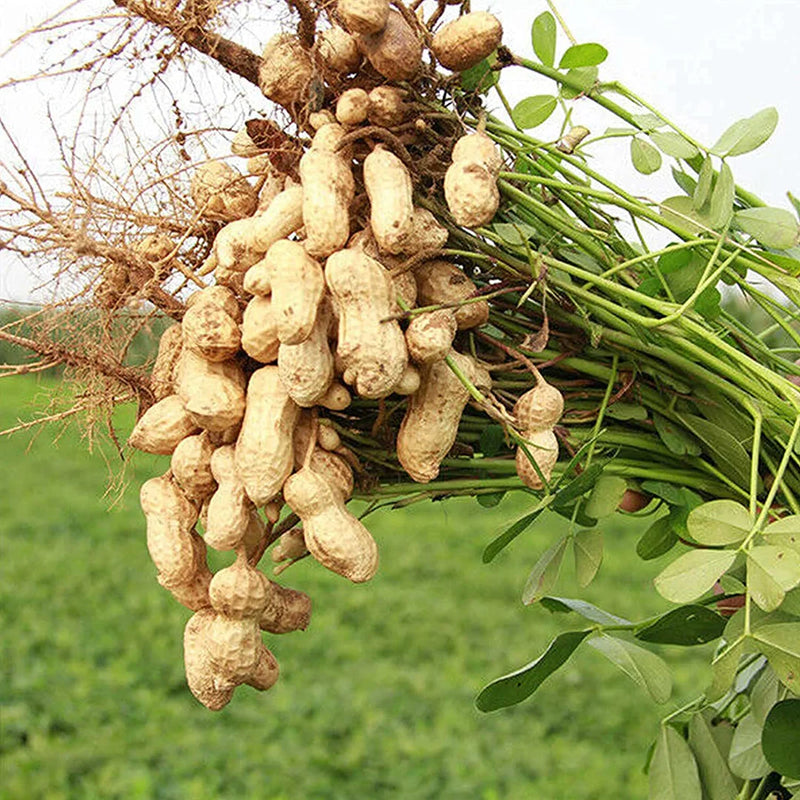
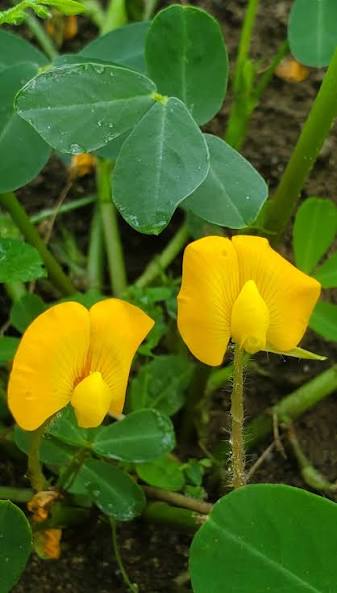
Peanuts are one of the more genuinely surprising plants you can grow in a home garden. The plant looks like a low, bushy little legume with cheerful yellow flowers — but after those flowers fade, something strange happens: a stalk called a "peg" grows downward from the flower and burrows into the soil, where the peanut pod actually develops underground. It's called geocarpy, and it's exactly the kind of only-in-nature process that makes growing Peanut seeds a genuinely fun project, especially for curious kids and first-time gardeners.
Beyond the novelty, peanuts are a practical, rewarding crop. They're self-pollinating, relatively low-maintenance once established, and as legumes, they actually improve your soil by fixing nitrogen as they grow. Give them a warm season and loose, well-drained soil, and a home patch of Peanut seeds will reward you with a real harvest of homegrown peanuts by late summer or fall.
Ila Seeds carries fresh, quality-tested Peanut seeds selected for home gardeners rather than commercial growers.
What to Know Before Planting Peanut Seeds
Season Length — Peanuts are warm-season annuals that need a long, frost-free growing season — generally 100 to 150 frost-free days depending on variety — so they're best planted a few weeks after your last spring frost, once soil has properly warmed.
How Peanuts Actually Grow — This is the plant's signature trait: flowers form above ground, but after pollination, a "peg" grows downward from each flower and pushes into the soil, where the peanut pod develops underground. Loose, workable soil right around the base of the plant makes it much easier for these pegs to penetrate.
Soil & Sunlight — Peanuts want full sun and loose, sandy, well-drained soil with a slightly acidic pH (generally in the 5.5–6.5 range). Heavy clay soils that stay wet are the biggest obstacle to a good peanut harvest.
Fertilizer Sensitivity — Peanuts are prone to fertilizer burn and generally don't need much feeding, since as legumes they fix their own nitrogen. If you do fertilize, broadcast it over the surrounding soil rather than placing it directly in the planting furrow.
Gardening Insights: Growing Peanuts From Seed
Sunlight: Full sun is essential for strong growth and good pod development.
Soil: Loose, sandy, well-drained soil with a slightly acidic pH (roughly 5.5–6.5) works best. Till in some compost ahead of planting, but keep the soil light rather than dense or claggy.
Starting seeds: Use raw, unroasted Peanut seeds only — roasted or boiled peanuts will not germinate. Plant about 1 to 2 inches deep in sandy soil (slightly shallower in heavier soils), spacing seeds 6-8 inches apart in rows at least 20-24 inches apart. Keep the soil consistently moist after planting; germination typically takes 5-10 days once soil temperatures reach at least 65-70°F.
Timing: Plant a few weeks after your last spring frost date, once the soil has warmed. Planting too late in the season won't leave enough time for pods to mature before cooler fall weather arrives.
Care once established: Growth is slow for the first several weeks, so be patient. Keep soil consistently moist, especially once flowering begins and pegs start entering the soil, but ease off watering as harvest approaches. Gently cultivate around the base of young plants to loosen soil and help pegs penetrate easily. Stop watering about 1-2 weeks before harvest, and dig plants up once the foliage begins to yellow.
Frequently Asked Questions
How long do Peanut seeds take to germinate?
Peanut seeds typically germinate within 5 to 10 days once soil temperatures reach at least 65-70°F and are kept consistently moist.
Why do peanuts grow underground if the flowers are above ground?
After a peanut flower is pollinated, a stalk called a "peg" grows downward from the base of the flower and pushes into the soil. The pod then develops underground at the tip of the peg, a process called geocarpy.
How long until peanuts are ready to harvest?
Peanuts generally take 100 to 150 frost-free days from planting to harvest, depending on the variety, with harvest typically happening in late summer or early fall once the foliage begins to yellow.
Can I plant peanuts from the grocery store instead of seed packets?
Only raw, unroasted peanuts will germinate — roasted or boiled peanuts from the store will not sprout. Garden-specific Peanut seeds offer a more reliable guarantee of viability.
Where can I buy Peanut seeds online?
Ila Seeds carries fresh, quality-tested Peanut seeds for home gardeners. Browse the collection and we ship straight to your door.