Chrysogonum Virginianum Planting Seeds – Non-GMO Heirloom Perennial Flowers, Simple to Grow
- 100 Pcs
- 500 Pcs
- 1000 Pcs
- 2000 Pcs
Free Shipping On All Orders
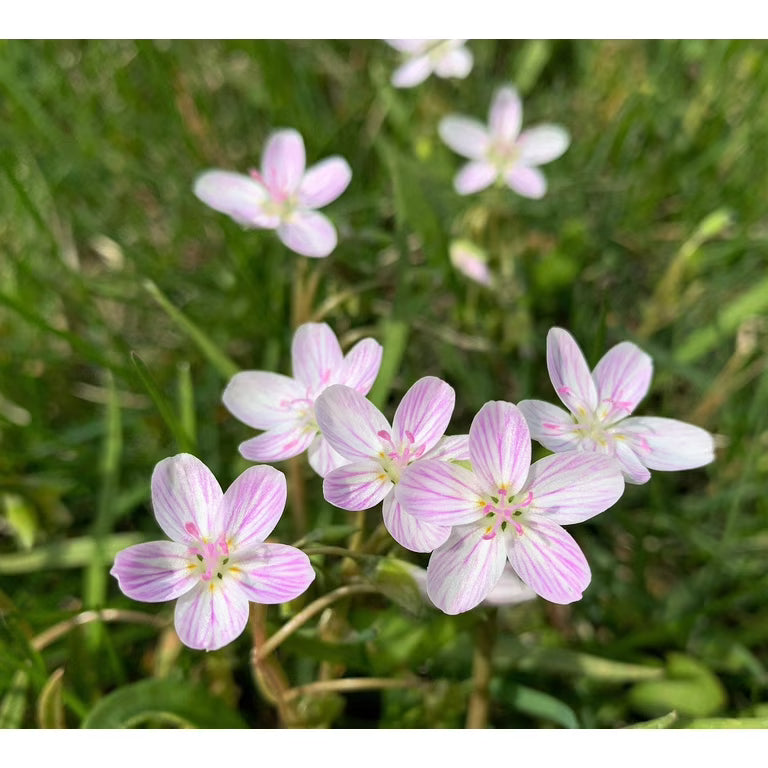
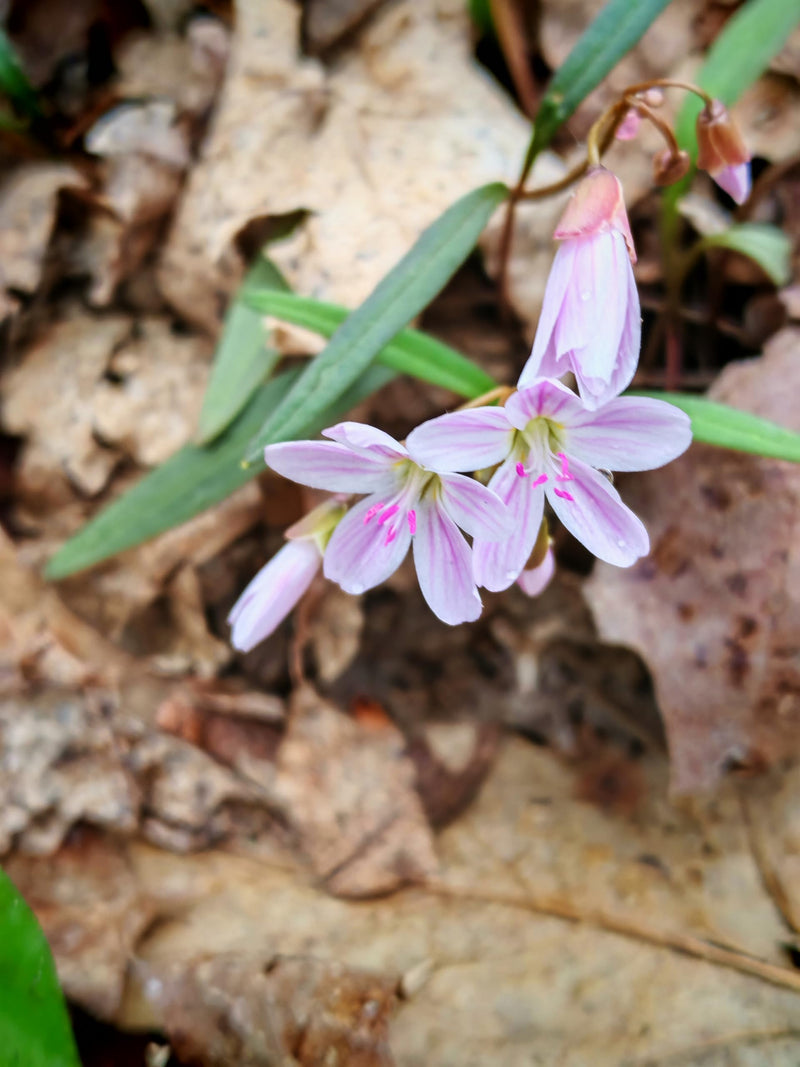
Bring one of the earliest native wildflowers of the season to your shade garden with Ila Seeds' Virginia Spring Beauty seeds. Claytonia virginica is a low-growing woodland perennial native to Eastern and Central North America, prized for its delicate white blooms striped with pink that appear before the tree canopy leafs out in spring. Our Virginia Spring Beauty seeds are handpicked for gardeners building native, pollinator-friendly shade gardens.
100% Organic Heirloom
9 products


Why Grow Virginia Spring Beauty Seeds
A quick note before we get into it: despite showing up in listings alongside grasses, Virginia Spring Beauty is a wildflower and herb — not a turf grass. It's one of the true "spring ephemerals," plants that time their whole above-ground life to the narrow window between snowmelt and tree leaf-out, when sunlight still reaches the forest floor. Virginia Spring Beauty seeds grow into low clumps of grass-like leaves topped with loose clusters of small white flowers, each petal finely striped with pink — pretty up close, and a soft blush of pink from a distance when a patch is in full bloom.
It's a genuinely useful native plant for a shade garden, not just a pretty one. Spring Beauty is one of the earliest nectar sources for native bees emerging in spring, and because it naturalizes readily in the right woodland conditions, a small planting can slowly spread into a real drift over the years. After flowering and setting seed, the whole plant dies back for the rest of the year — so it pairs well underneath later-emerging perennials and ferns that fill the same space once Spring Beauty has gone dormant.
Ila Seeds carries fresh, quality-tested Virginia Spring Beauty seeds for home gardeners building native and pollinator-friendly plantings.
What to Know Before Planting Virginia Spring Beauty Seeds
Patience Is Part of the Process — This is the single most important thing to know: Virginia Spring Beauty seeds are slow and genuinely tricky to germinate compared to most garden flowers. In the wild, seed can take a full year or more in the soil before sprouting, since it typically needs a warm-moist period followed by a cold-moist period (essentially mimicking a full year outdoors) to break dormancy. This isn't a fast-blooming annual — treat it as a longer-term native planting project.
Native Range & Habit — Native to moist woodlands across Eastern and Central North America, Claytonia virginica grows from a small underground corm and forms low mats of foliage only a few inches tall, making it well suited to naturalizing under trees and shrubs rather than as a standalone bedding flower.
An Ephemeral, Not a Year-Round Plant — Spring Beauty is only visible above ground for a few months each year. After blooming and setting seed in spring, the foliage dies back completely by early to mid-summer, and the plant survives underground as a corm until the following spring. Plan companion plantings accordingly.
Gardening Insights: Growing Virginia Spring Beauty From Seed
Sunlight: Dappled shade to partial sun is ideal — in the wild it takes advantage of early spring sun before deciduous trees leaf out, then tolerates shade for the rest of its brief growing season.
Soil: Moist, humus-rich woodland soil with good drainage, in a mildly acidic to neutral pH range (roughly 5.5–7.0). Adding leaf mold or compost helps mimic its natural forest-floor habitat.
Starting seeds: Sow seed just at or barely below the soil surface, since it needs light to help break dormancy. Keep consistently moist. A warm-moist stratification period followed by a cold-moist period (many growers simply sow outdoors in fall so nature handles both cycles) gives the most reliable results. Germination can be slow and irregular, sometimes taking a year or more — this is normal for this species, not a sign anything went wrong.
Timing: Fall sowing outdoors is the most common approach, letting winter cold and spring warmth cycle the seed naturally. Seed can also be started with manual stratification cycles indoors for gardeners who want more control.
Care once established: Keep soil consistently moist during the active growing season in spring; established plantings need very little attention once dormant. Avoid disturbing the soil where corms are growing during the dormant season, and let foliage die back naturally rather than cutting it early, since the plant is still storing energy in the corm.
Frequently Asked Questions
Is Virginia Spring Beauty a grass or a flower?
It's a wildflower and herb, not a turf grass, despite sometimes appearing in listings alongside grasses. It forms low, grass-like foliage topped with small white, pink-striped flowers.
How long do Virginia Spring Beauty seeds take to germinate?
Germination is slow and can take a year or more, since the seed typically needs a warm-moist period followed by a cold-moist period to break dormancy. Fall sowing outdoors lets these cycles happen naturally.
Why does Virginia Spring Beauty disappear in summer?
It's a spring ephemeral — the foliage dies back completely by early to mid-summer after flowering and setting seed, and the plant survives underground as a corm until the following spring.
What growing conditions does Virginia Spring Beauty need?
Moist, humus-rich woodland soil, dappled shade to partial sun, and a mildly acidic to neutral soil pH around 5.5-7.0 all help it establish successfully.
Where can I buy Virginia Spring Beauty seeds online?
Ila Seeds carries fresh, quality-tested Virginia Spring Beauty (Claytonia virginica) seeds for native and woodland gardens. Browse the collection and we ship straight to your door.