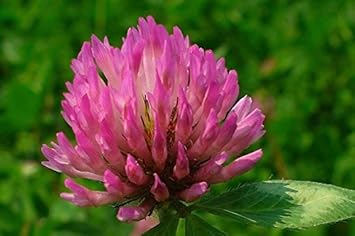
Microclover Dwarf Miniature Trifolium Repens White Flower Clover Lawn Seeds

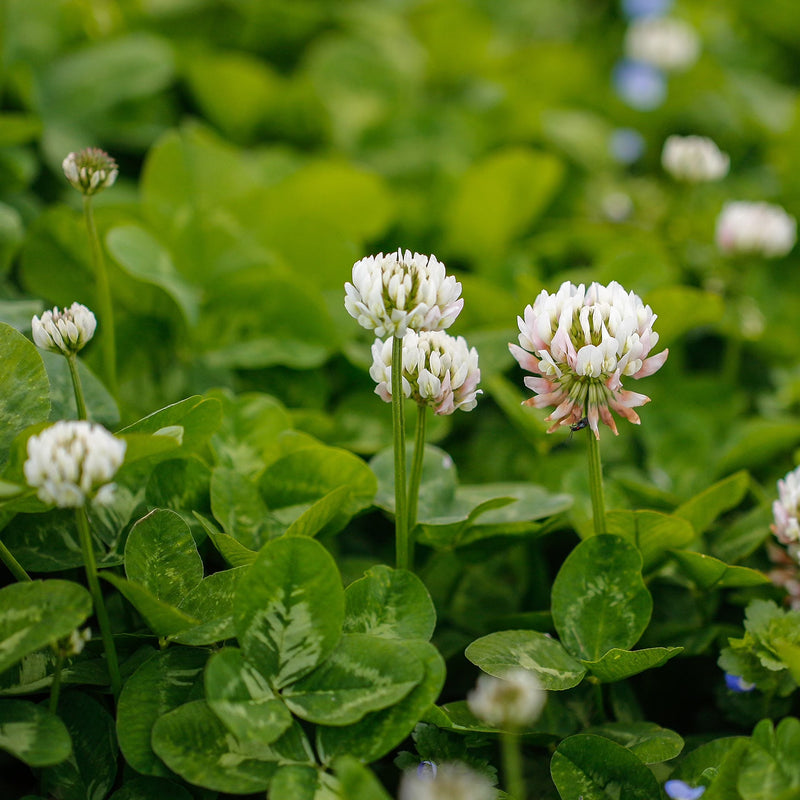
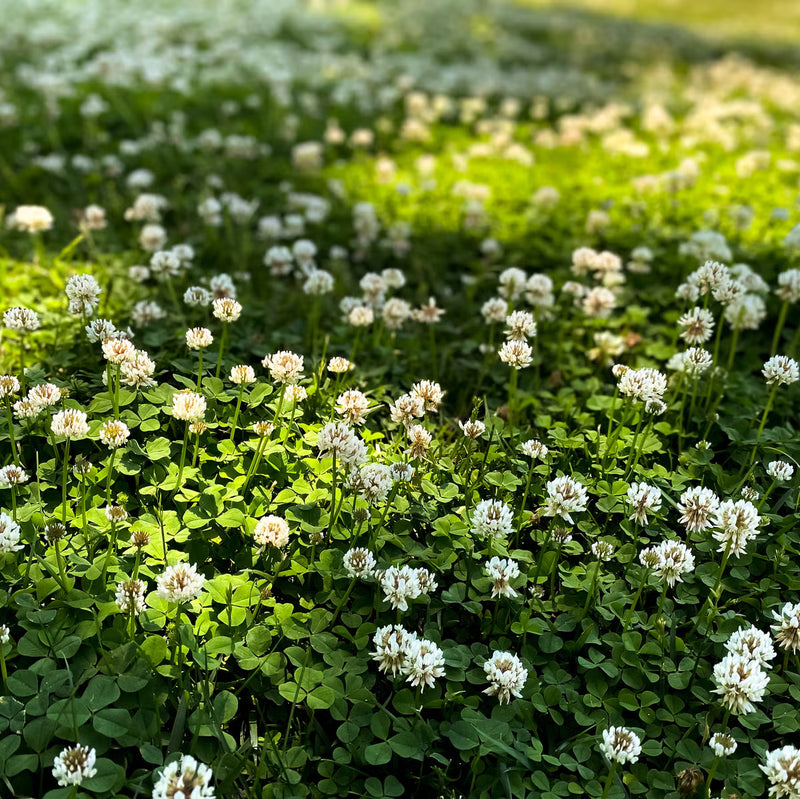
Build a greener, lower-maintenance lawn with Ila Seeds' Microclover lawn seeds. This dwarf variety of white clover (Trifolium repens) has tiny leaves, a low-growing habit, and far fewer flowers than standard white clover, letting it blend seamlessly into a lawn instead of forming obvious clumps. Our Microclover lawn seeds are fresh stock, well suited to homeowners looking to reduce watering, fertilizing, and mowing without sacrificing a lush, green look.

Microclover Dwarf Miniature Trifolium Repens White Flower Clover Lawn Seeds 100% Organic Heirloom

4 products

Why Add Microclover Lawn Seeds to Your Lawn
Clover used to be a standard part of American lawns before broadleaf herbicides became common in the 1950s, and it's making a genuine comeback for good reason. Microclover lawn seeds grow into a dwarf variety of white clover with leaves about a third to half the size of ordinary clover and a much lower flowering rate — so instead of the obvious clumps and constant blooms of old-fashioned clover, you get an even, green texture that blends naturally into turf grass.

The appeal goes beyond looks. As a legume, Microclover fixes nitrogen from the air and shares it with the soil, meaning lawns with clover in the mix generally need less fertilizer. It's also notably more drought-tolerant than most lawn grasses thanks to a deeper taproot, and it tends to stay greener through summer heat that leaves plain turf looking tired.

Ila Seeds carries fresh Microclover lawn seeds for homeowners ready to build a more resilient, lower-maintenance lawn.

What to Know Before Planting Microclover Lawn Seeds
About "Micro" vs "Mini" Naming — Worth knowing: the true genetic dwarf clover varieties are registered as 'Pirouette' and 'Pipolina', bred specifically for smaller leaves and lower, less aggressive growth. Some sellers market clover under different names like "mini clover," which can sometimes be the same genuine dwarf trait and sometimes closer to standard Dutch white clover — worth keeping in mind if you're comparing products from different sources.

Best Used as a Blend, Not a Monoculture — Lawn research generally doesn't support seeding Microclover as a 100% standalone lawn. The typical, well-supported approach is overseeding it into existing turf at a low rate — commonly 3-5% of total seed by weight — where it fills gaps, adds nitrogen, and creates a uniform look without taking over.

Climate Considerations — Microclover needs at least 4-6 hours of direct sun daily and doesn't perform well in heavy shade, prolonged drought, or extreme heat. It also tends to go dormant and die back above ground in cold winters, so blending with turfgrass helps avoid bare patches during dormancy.

Herbicide Compatibility — Since Microclover is a broadleaf plant, most broadleaf lawn herbicides will damage or kill it. If you're establishing a clover-turf blend, plan to skip broadleaf weed treatments on that area going forward.

Gardening Insights: Growing Microclover Lawn Seeds
Sunlight: At least 4-6 hours of direct sun daily for healthy, dense growth.

Soil: Microclover tolerates a wide range of soil types, including compacted or lower-fertility soil, better than most lawn grasses.

Starting seeds: If overseeding into an existing lawn, mow grass low and rake or aerate first so seed can reach the soil. Broadcast seed evenly, lightly rake or top-dress with a thin layer of soil, and keep the area consistently moist — watering daily if needed — for the first 7-10 days until seedlings appear.

Timing: Early spring through late summer is the general planting window, though many growers prefer late summer or early fall to reduce competition from weeds and summer heat stress.

Care once established: Water regularly while establishing, then ease off once mature, since Microclover is fairly drought-tolerant on its own. Mow along with the rest of the lawn; regular mowing actually encourages Microclover to grow smaller and denser rather than taller. Avoid broadleaf herbicides, and expect some winter dieback in colder climates, with regrowth returning in spring.

Frequently Asked Questions
Should I plant a lawn that's 100% Microclover?
Most lawn research doesn't support a pure Microclover monoculture. The typical, well-supported approach is overseeding it into existing turfgrass at a low rate, commonly around 3-5% of total seed by weight, where it fills gaps and adds nitrogen without taking over.

How long does it take Microclover to germinate?
Microclover seedlings typically appear within 7 to 10 days when kept consistently moist, though the area should be watered daily during that establishment window.

Can I use weed killer on a lawn with Microclover?
Most broadleaf herbicides labeled for lawns will damage or kill Microclover, since it's a broadleaf plant itself. If Microclover is established in your lawn, broadleaf herbicide use on that area should generally be avoided.

Will Microclover die back in winter?
In colder climates, Microclover's above-ground growth typically dies back in winter, with the roots surviving to regrow in spring. Blending it with turfgrass helps prevent bare patches during this dormant period.

Where can I buy Microclover lawn seeds online?
Ila Seeds carries fresh Microclover lawn seeds for home lawns. Browse the collection and we ship straight to your door.