Synsepalum Dulcificum Seeds Miracle Berry

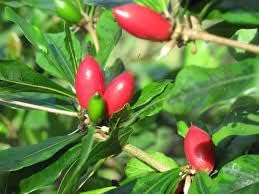
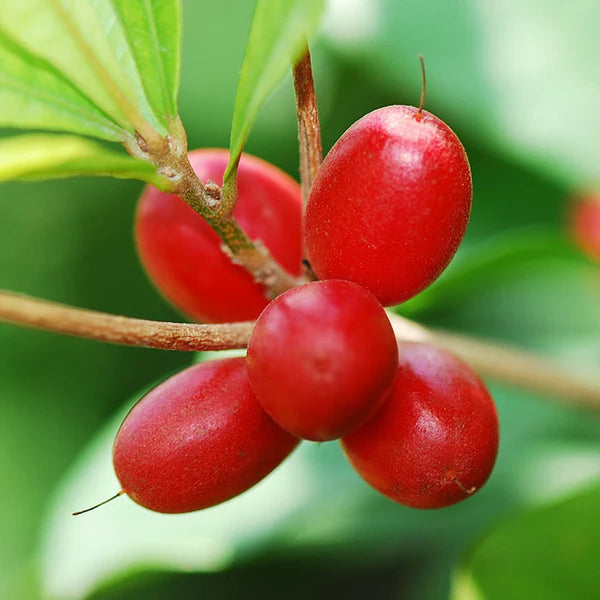
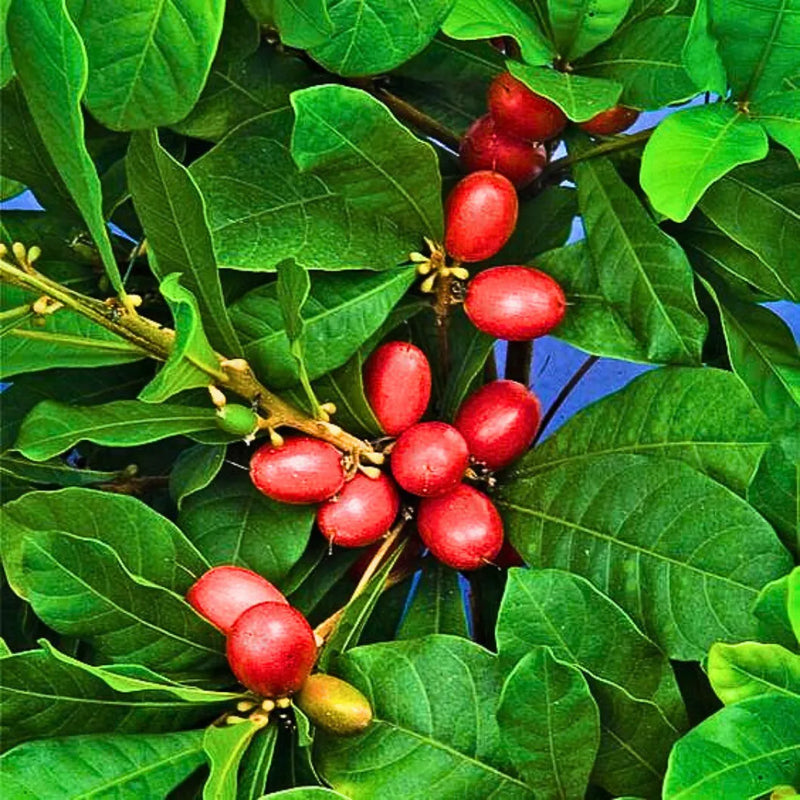
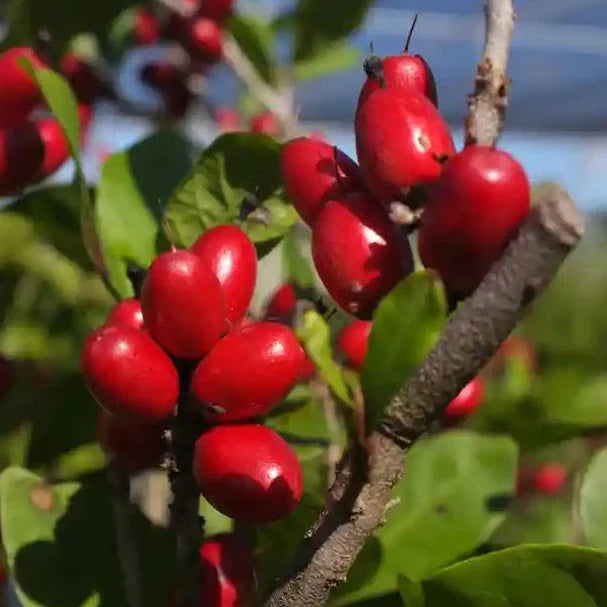
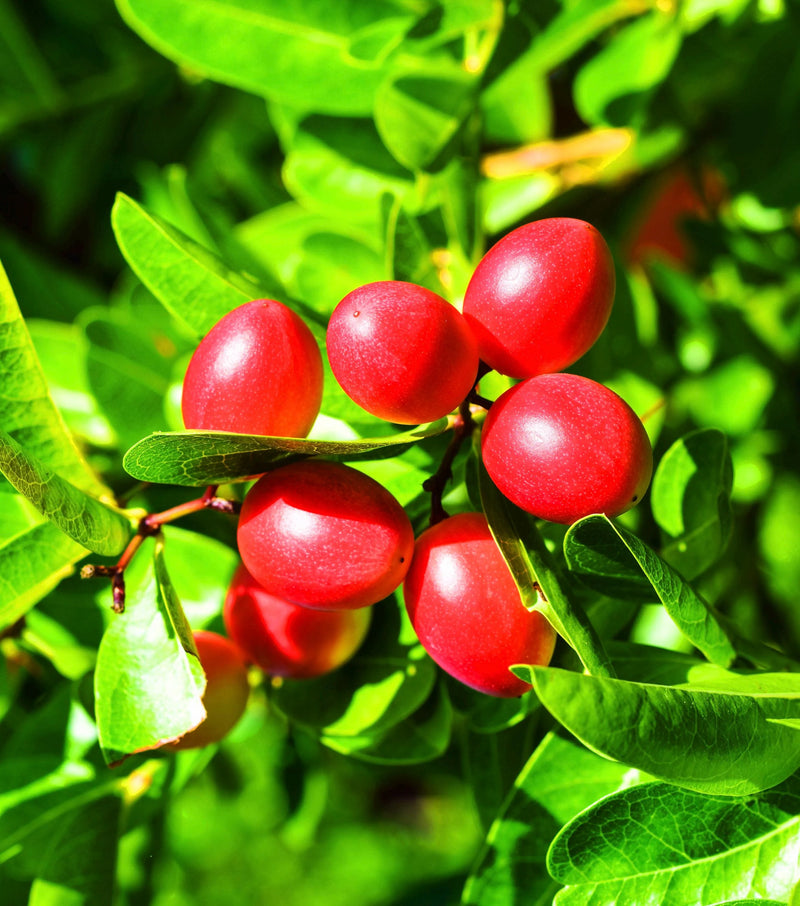
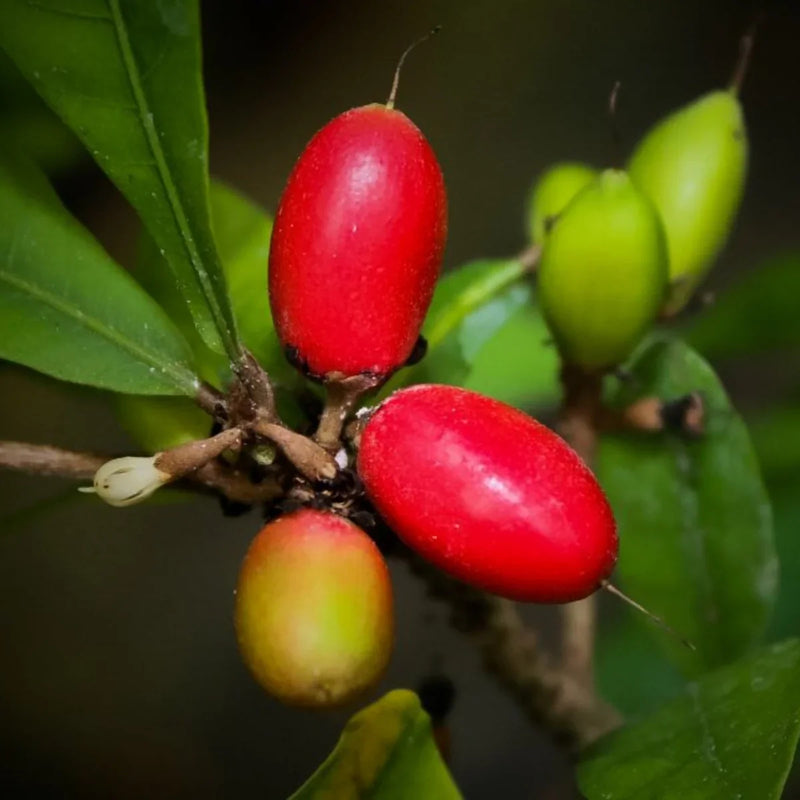
Grow one of the most talked-about novelty fruit plants in the world with Ila Seeds' Miracle Berry seeds. Synsepalum dulcificum, better known as Miracle Fruit or Miracle Berry, produces small red berries containing miraculin — a natural glycoprotein that temporarily makes sour foods taste sweet. Our Miracle Berry seeds are fresh stock, quality-tested, and suited to home gardeners growing in warm climates, greenhouses, or as an indoor container plant.

Synsepalum Dulcificum Seeds Miracle Berry 100% Organic Heirloom

4 products

Why Grow Miracle Berry Seeds at Home
There's a reason Miracle Berry seeds have such a cult following among home gardeners — the plant does something genuinely strange and delightful. Eat one or two of the small red berries, and for the next half hour or so, sour foods like lemons and limes taste sweet instead of tart. It's not a flavor trick or an additive; it's a natural glycoprotein called miraculin that temporarily changes how your taste buds register sourness.

Beyond the novelty factor, Synsepalum dulcificum is also a genuinely attractive evergreen shrub with glossy green foliage, making it a nice addition to a tropical garden or a sunny indoor spot even between fruiting seasons. Growing Miracle Berry seeds does take patience — this isn't a fast, one-season crop — but for gardeners who enjoy a slower, more rewarding project, it's one of the most unique fruiting plants you can grow from seed.

Ila Seeds carries fresh Miracle Berry seeds selected for home growers and tropical plant enthusiasts. Because Synsepalum dulcificum seeds lose viability quickly once dried, we prioritize fresh stock rather than sitting on old inventory.

What to Know Before Growing Synsepalum Dulcificum
Climate & Hardiness — Miracle Berry is native to tropical West Africa and is only reliably hardy outdoors in USDA zones 10–11. Gardeners in cooler climates can still grow Miracle Berry seeds successfully in containers, moving the plant indoors before frost.

Sunlight — Miracle Berry prefers partial shade, especially while young, though it can tolerate more sun in humid climates. Protecting seedlings from harsh, direct midday sun helps them establish more reliably.

Soil & Acidity — This is the detail that trips up most first-time growers: Synsepalum dulcificum needs genuinely acidic soil, generally in the pH 4.5–6.0 range. A well-draining mix of peat moss and perlite is a common choice, and plants grown in soil that isn't acidic enough tend to grow slower and less healthily.

Growth Habit — Miracle Berry is a slow, patient plant. It typically takes a couple of years or more from germination before a plant matures enough to flower and fruit, so Miracle Berry seeds are best suited to gardeners who enjoy a longer-term growing project rather than a quick harvest.

Gardening Insights: Growing Miracle Berry From Seed
Sunlight: Partial shade is generally best, particularly for young plants — protect seedlings from intense, direct sun.

Soil: Use a well-draining, acidic soil mix (pH roughly 4.5–6.0). A peat moss and perlite blend works well for both drainage and moisture retention.

Starting seeds: Freshness matters a great deal with Miracle Berry seeds — they lose viability quickly once dried, so plant them as soon as possible after receiving them. Sow about ¼ to ½ inch deep, keep the soil consistently moist (never soggy or bone-dry), and maintain warm temperatures, ideally 70–86°F. Germination is naturally slow and can take anywhere from a couple of weeks to a couple of months, and success rates vary — patience and consistent conditions matter more than any single trick.

Timing: Start seeds in spring or early summer when warm temperatures are easiest to maintain, whether outdoors in a tropical climate or indoors near a heat mat.

Care once established: Keep the soil evenly moist and maintain humidity where possible, especially for indoor-grown plants. Feed lightly with a fertilizer suited to acid-loving plants. Protect from cold and frost — Miracle Berry has no cold tolerance to speak of. Fruiting typically takes patience; don't be discouraged if flowers and berries take a couple of years to appear.

Frequently Asked Questions
How long do Miracle Berry seeds take to germinate?
Miracle Berry (Synsepalum dulcificum) seeds are slow to germinate, typically taking anywhere from two weeks to a couple of months under warm, consistently moist conditions. Using fresh seed and keeping soil acidic helps improve success.

What does Miracle Berry actually do to your taste buds?
The berry contains a natural glycoprotein called miraculin, which temporarily binds to taste receptors and makes sour foods, like citrus, taste sweet instead. The effect generally lasts around 30 minutes to an hour.

Can Miracle Berry be grown indoors?
Yes. Outside of USDA zones 10-11, Miracle Berry grows well as a container plant kept indoors near a bright, partially shaded spot, and can be moved outside during warm months.

How long until a Miracle Berry plant produces fruit?
Miracle Berry grown from seed typically takes a couple of years or more to mature enough to flower and fruit, so it's best suited to gardeners looking for a longer-term growing project.

Where can I buy Miracle Berry seeds online?
Ila Seeds carries fresh, quality-tested Synsepalum dulcific