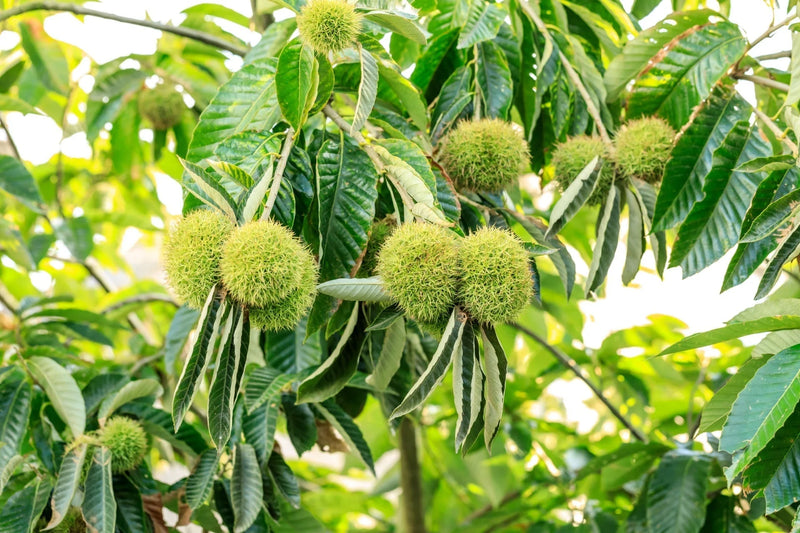
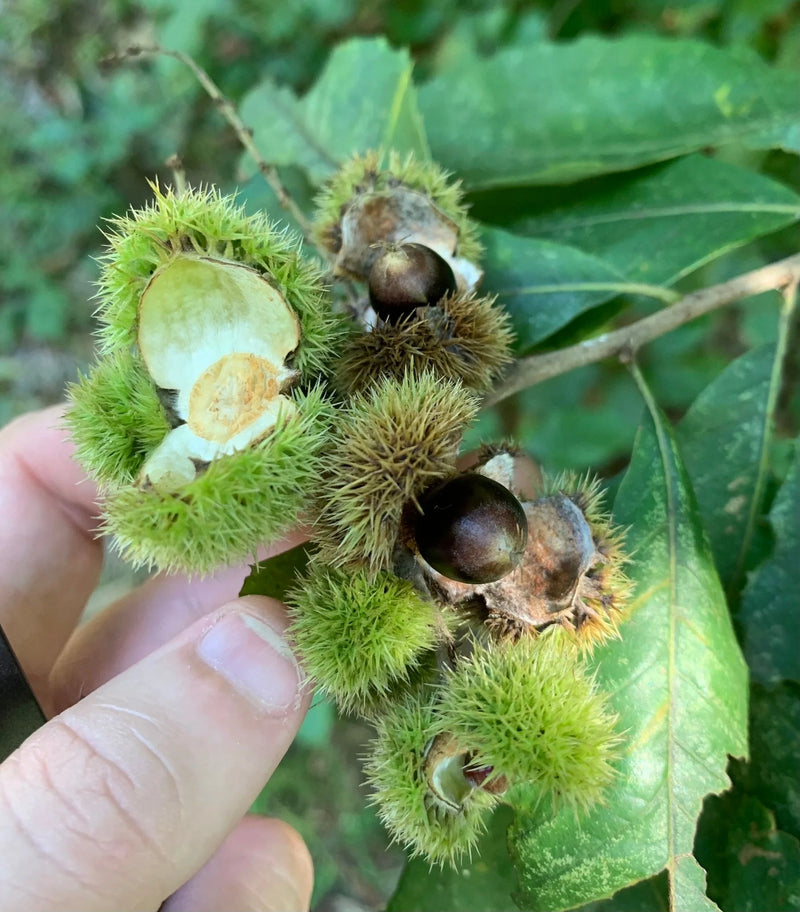
Chestnut Seeds

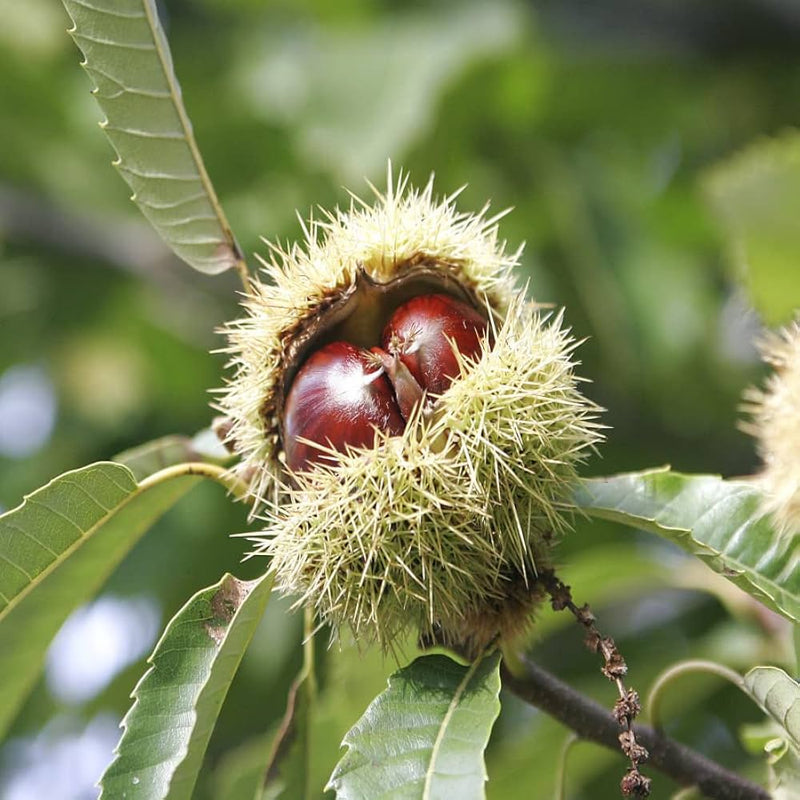
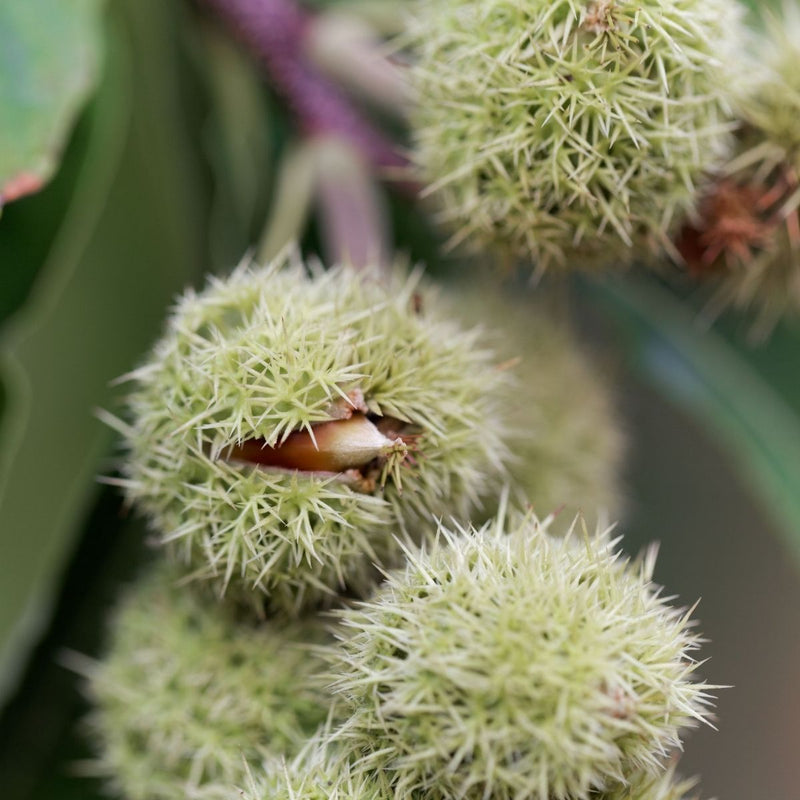
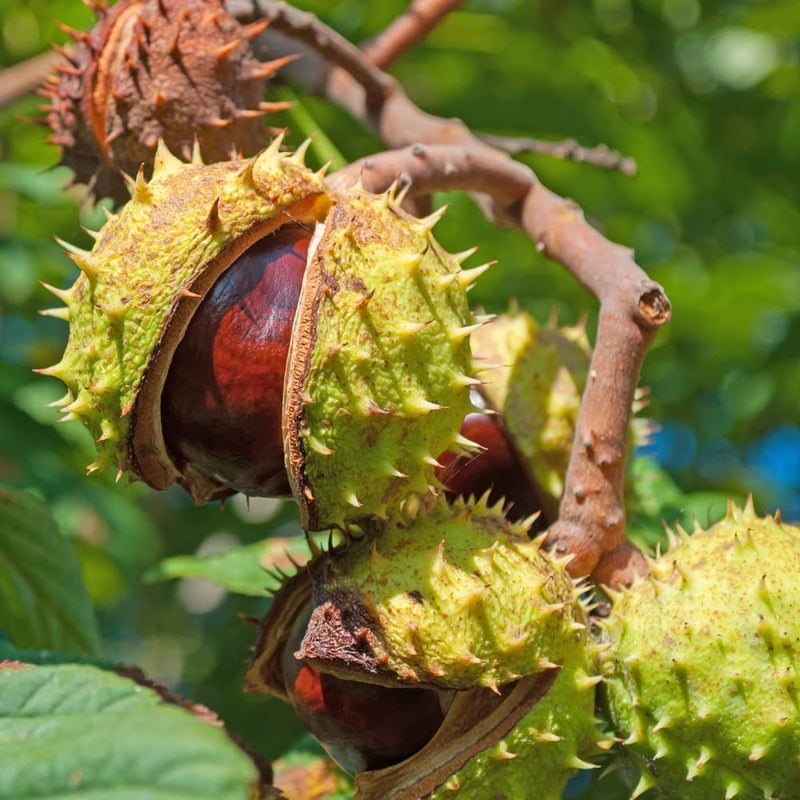
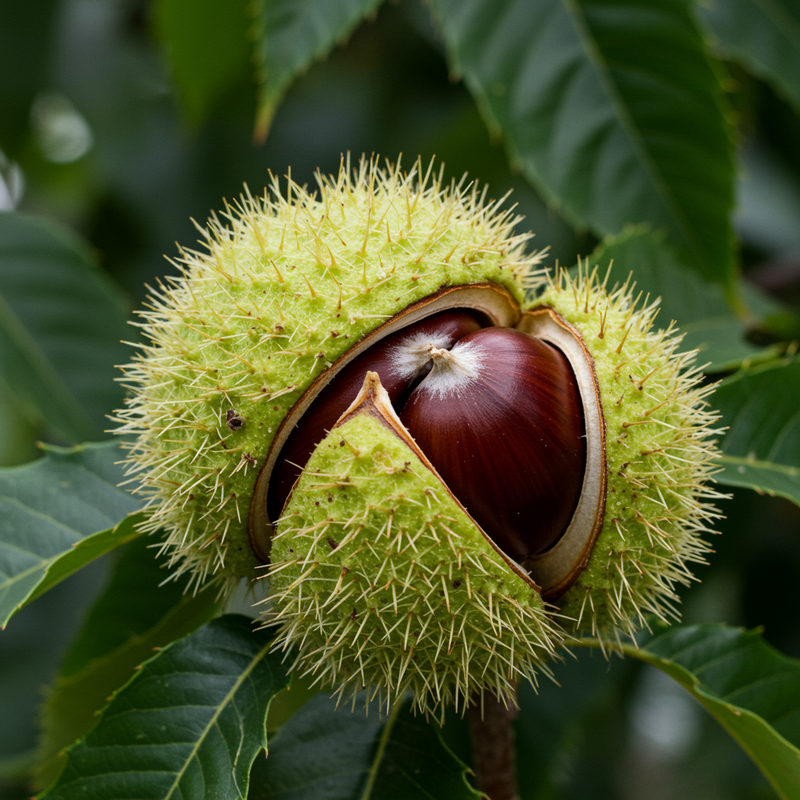
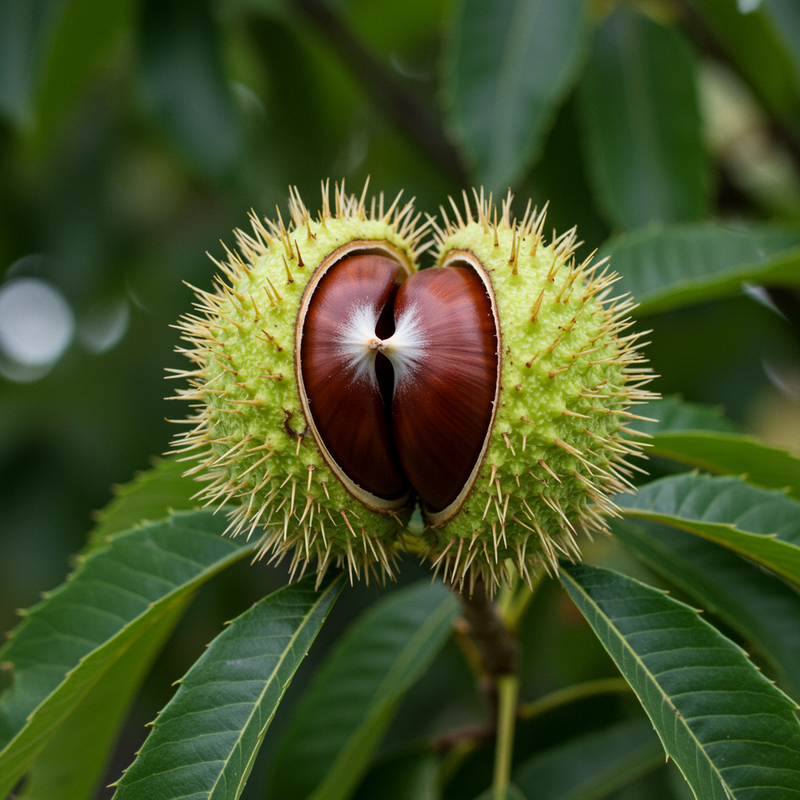
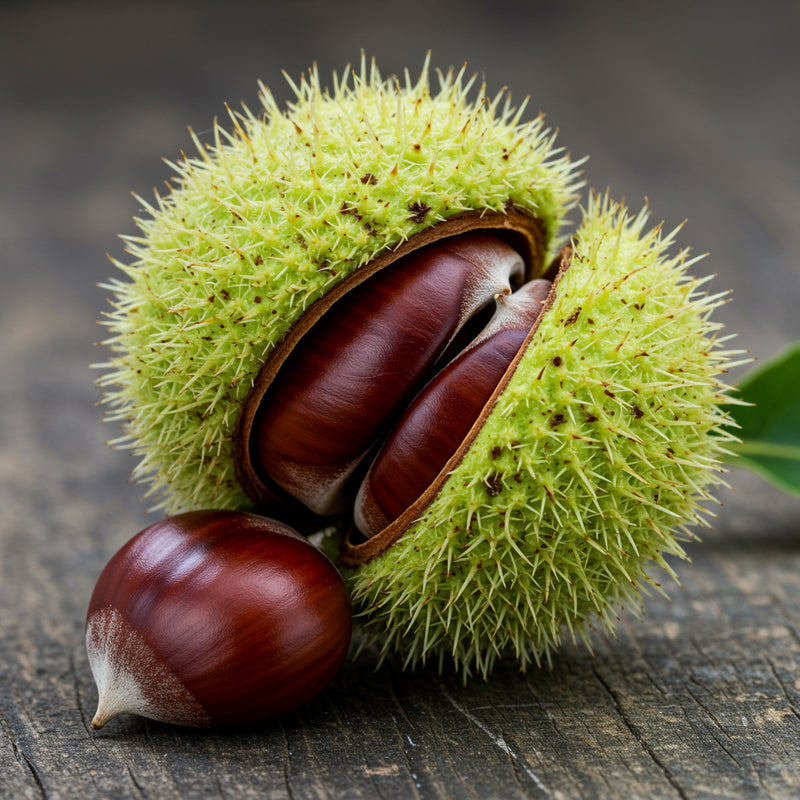
Grow a genuinely productive, easy-care nut tree with Ila Seeds' Chestnut seeds. This variety, Castanea mollissima (Chinese Chestnut), is prized for its strong natural resistance to chestnut blight — the fungal disease that devastated American chestnut populations — making it a far more reliable choice for home orchards. Our Chestnut seeds are fresh stock, well suited to gardeners who want a genuinely productive nut tree without the uncertainty that comes with blight-susceptible species.

Chestnut Seeds 100% Organic Heirloom

10 products

Why Grow Chestnut Seeds at Home
If you want the beauty and productivity of a chestnut tree without the blight risk that comes with the American species, Chestnut seeds (Castanea mollissima) are the far more dependable choice. Native to China and Korea, this species evolved alongside the blight fungus that later devastated American chestnut forests, giving it strong natural resistance that's made it the backbone of chestnut breeding and restoration programs worldwide.

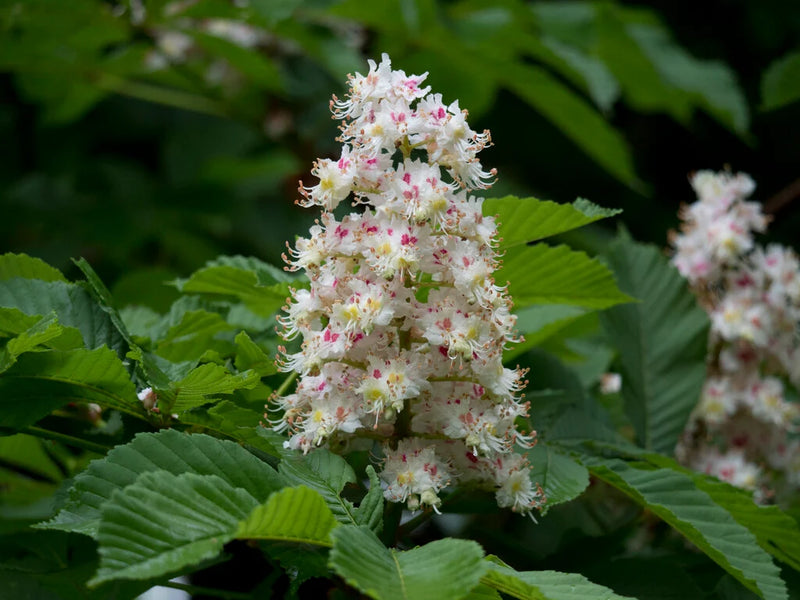
Beyond its resilience, this is a genuinely rewarding tree to grow. It reaches nut-bearing maturity in as little as 5 to 7 years — notably faster than many other nut trees — and mature trees can produce impressive yields, commonly 50 to 130 pounds of sweet, flavorful nuts per tree each fall. It's also an attractive shade tree in its own right, with broad, rounded form and distinctive catkin flowers in summer.

Ila Seeds carries fresh Chestnut seeds for home gardeners and small orchard growers looking for a reliable, productive nut tree.

What to Know Before Planting Chestnut Seeds
Genuine Blight Resistance — This is the standout advantage of this species: it's highly resistant to chestnut blight, the disease that has made growing the native American chestnut such an uncertain, long-term gamble. That resistance is exactly why this species is used in breeding programs working to restore blight resistance to American chestnut populations.

Faster Time to Fruiting — Trees grown from Chestnut seeds typically begin producing nuts in 5 to 7 years, a notably faster timeline than many other nut and fruit trees.

Mature Size — This species can reach 40 to 60 feet tall and wide at maturity, with a broad, low-branching, rounded form, so plan for a genuinely large mature tree when choosing a planting site.

Climate & Hardiness — Winter-hardy across a wide range of temperate climates, generally USDA zones 4-8, making it accessible to a broad range of home growers.

Gardening Insights: Growing Chestnut From Seed
Sunlight: Full sun is best for strong growth and good nut production.

Soil: Acidic, well-drained, loamy soil is ideal. Chestnut trees are sensitive to poorly drained, waterlogged ground, so good drainage matters more than rich soil.

Starting seeds: Chestnut seeds generally need cold stratification to germinate reliably — if seeds haven't already been stratified, chill them in slightly moist, refrigerated conditions for 90 to 120 days before planting. Once stratified, sow about 1-2 inches deep in well-drained soil and keep consistently moist. Protect germinating nuts from rodents, which are drawn to them.

Timing: Plant stratified seeds in early spring, or direct-sow outdoors in fall and let natural winter cold provide stratification.

Care once established: Water young trees regularly during their first couple of growing seasons while roots establish. Give the tree ample room to reach its full mature size. For best nut production, plant more than one tree where possible, since chestnuts generally produce better yields with cross-pollination from a second tree nearby.

Frequently Asked Questions
Is this chestnut resistant to chestnut blight?
Yes. Castanea mollissima (Chinese Chestnut) has strong natural resistance to chestnut blight, unlike the American chestnut, which has no meaningful resistance. This resistance is why the species is used in breeding programs working to restore blight resistance to American chestnut populations.

How long until a Chestnut tree produces nuts?
Trees grown from seed typically begin producing nuts in as little as 5 to 7 years, notably faster than many other nut and fruit trees.

Do Chestnut seeds need cold stratification?
Yes, Chestnut seeds generally need 90 to 120 days of cold, moist stratification to germinate reliably, whether done in a refrigerator before spring planting or naturally by sowing outdoors in fall.

How big does a Chestnut tree get?
This species can reach 40 to 60 feet tall and wide at maturity, with a broad, low-branching, rounded form, so it needs significant space to reach its full size.

Where can I buy Chestnut seeds online?
Ila Seeds carries fresh Chestnut (Castanea mollissima) seeds for home orchards and gardens. Browse the collection and we ship straight to your door.