Blue Venus Flytrap Seeds

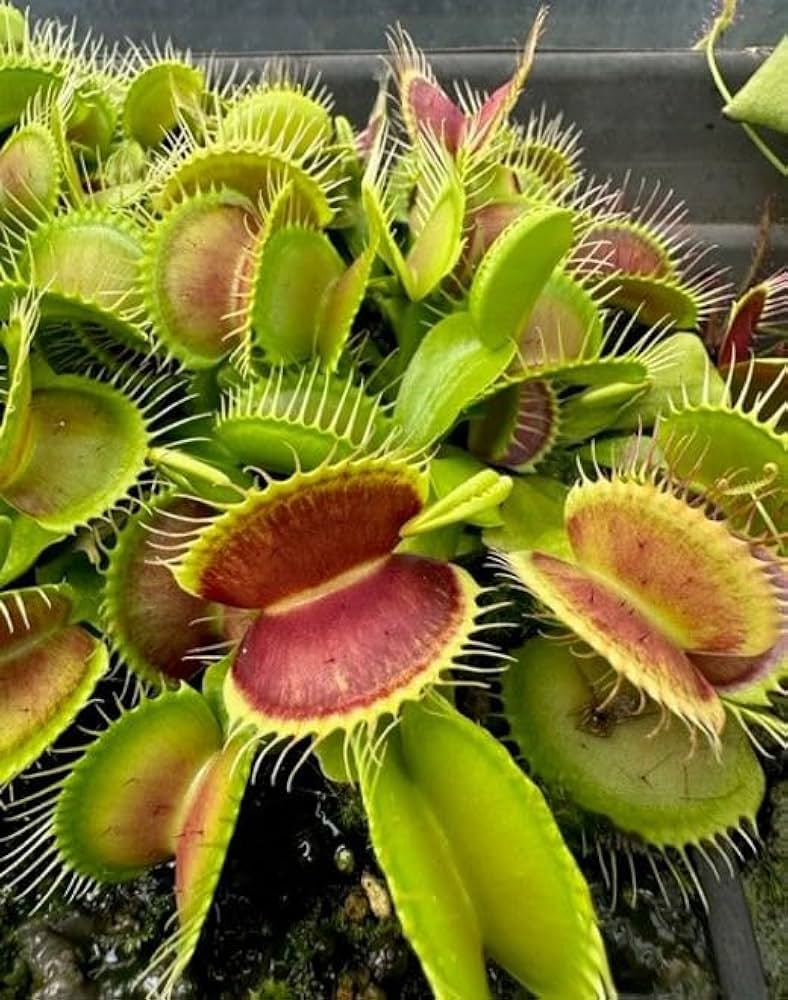
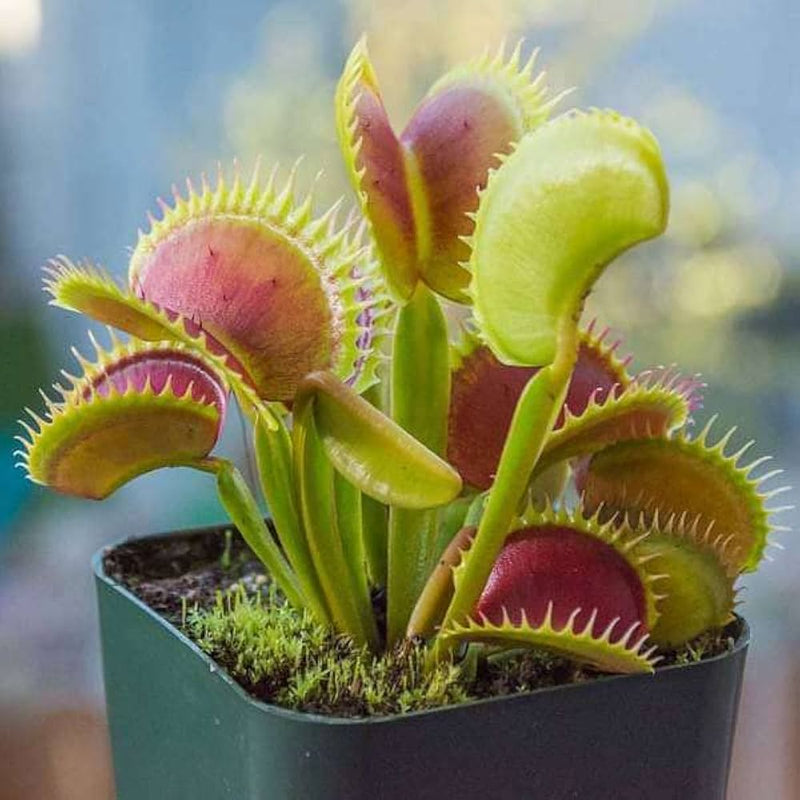
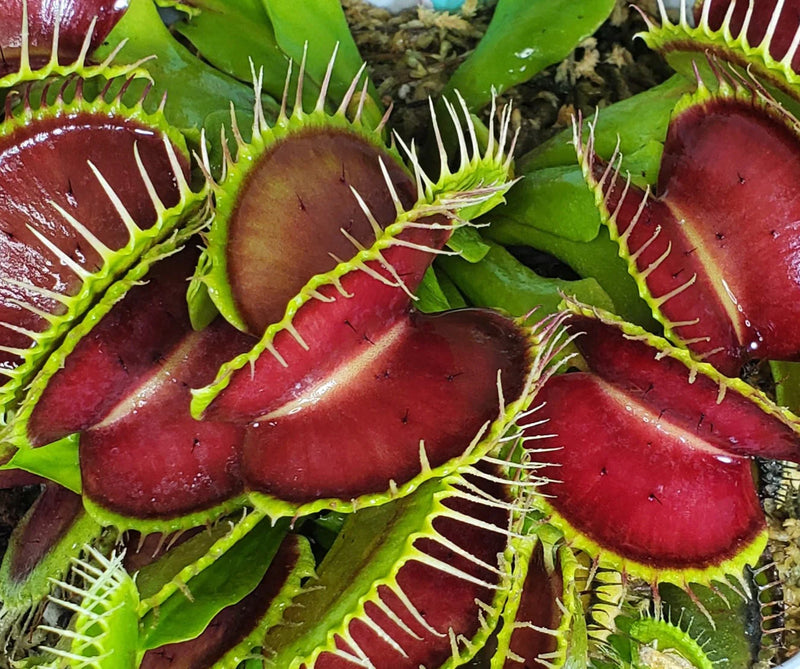
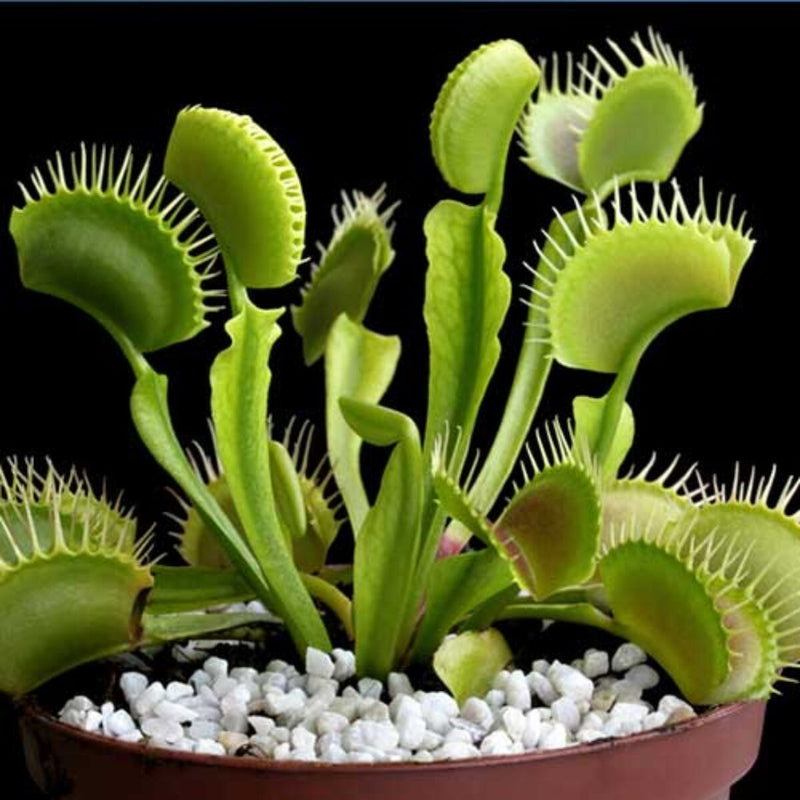
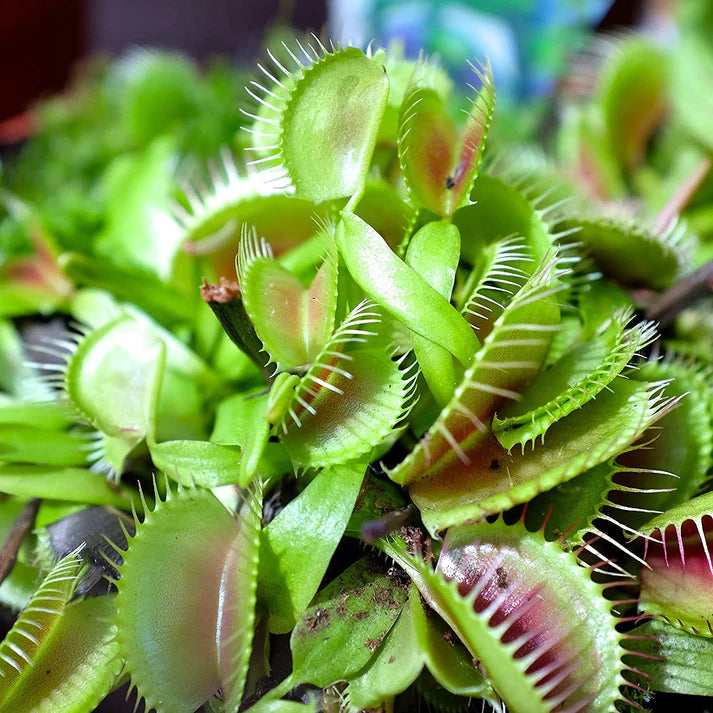
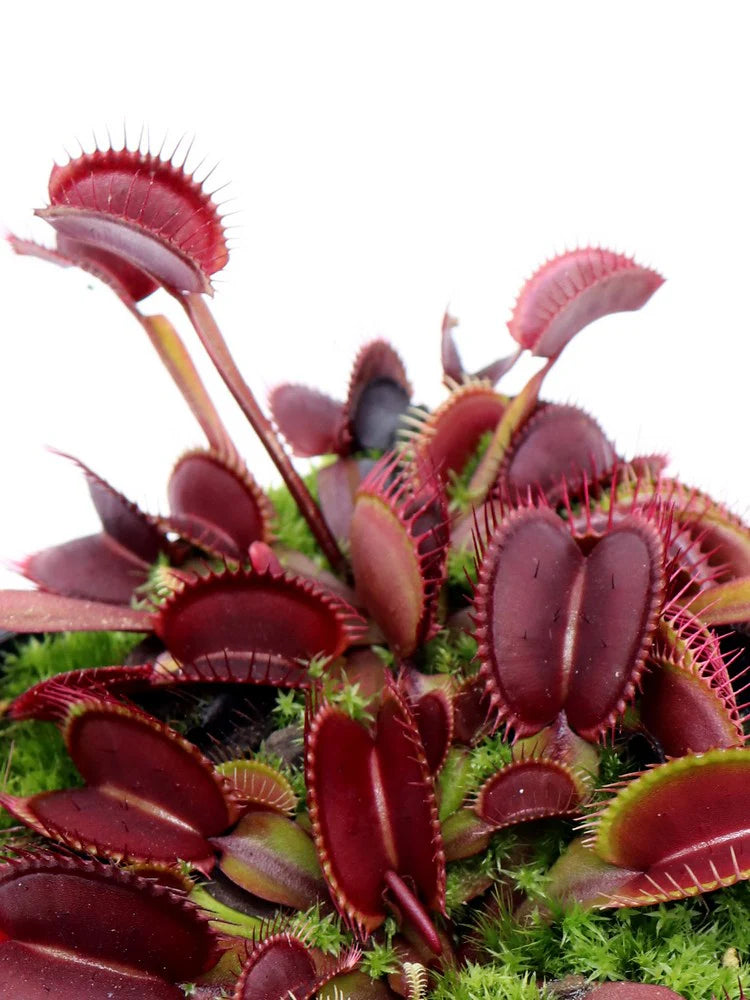
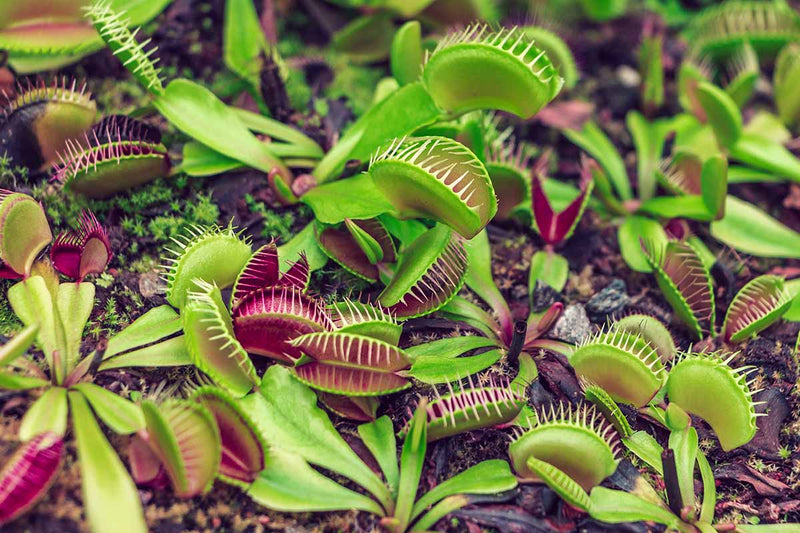
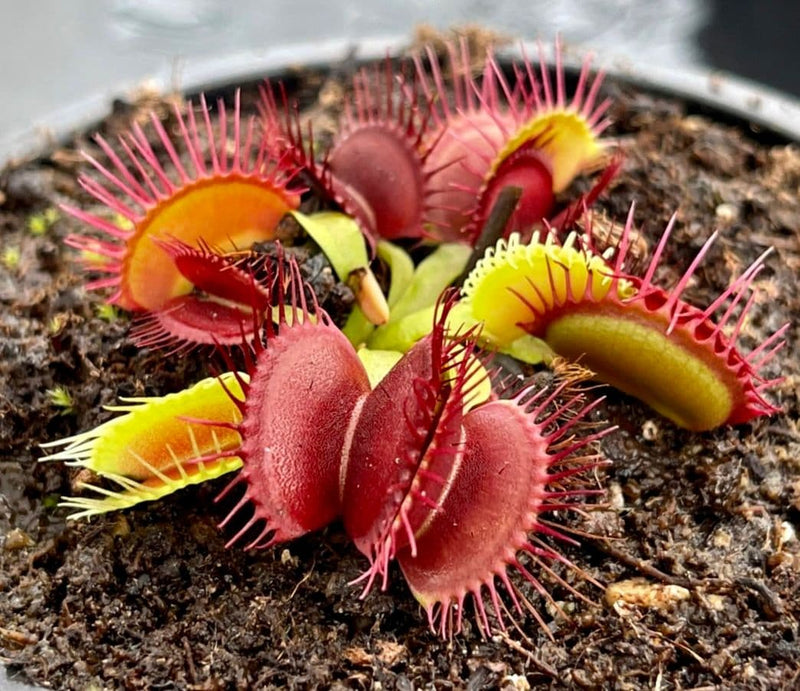
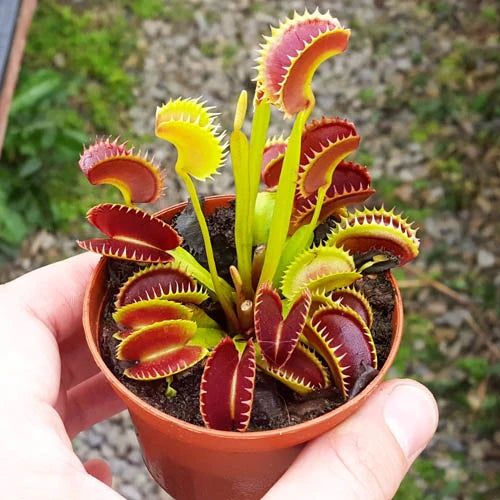
Grow one of the most fascinating carnivorous plants in the world with Ila Seeds' Venus Flytrap seeds. Dionaea muscipula is famous for its snapping, hinged traps that catch small insects, developing rich green, red, or deep purple-red trap coloration depending on light exposure and genetics. Our Venus Flytrap seeds are fresh stock, suited to patient home growers and carnivorous plant enthusiasts alike.

Blue Venus Flytrap Seeds 100% Organic Heirloom

14 products

A Quick, Honest Note on "Blue" Venus Flytraps
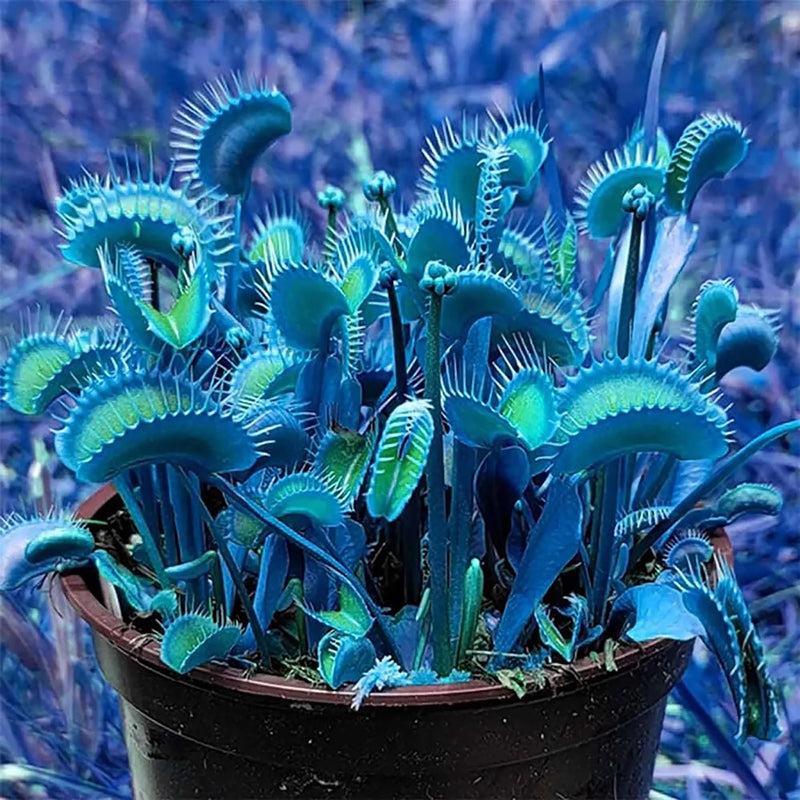
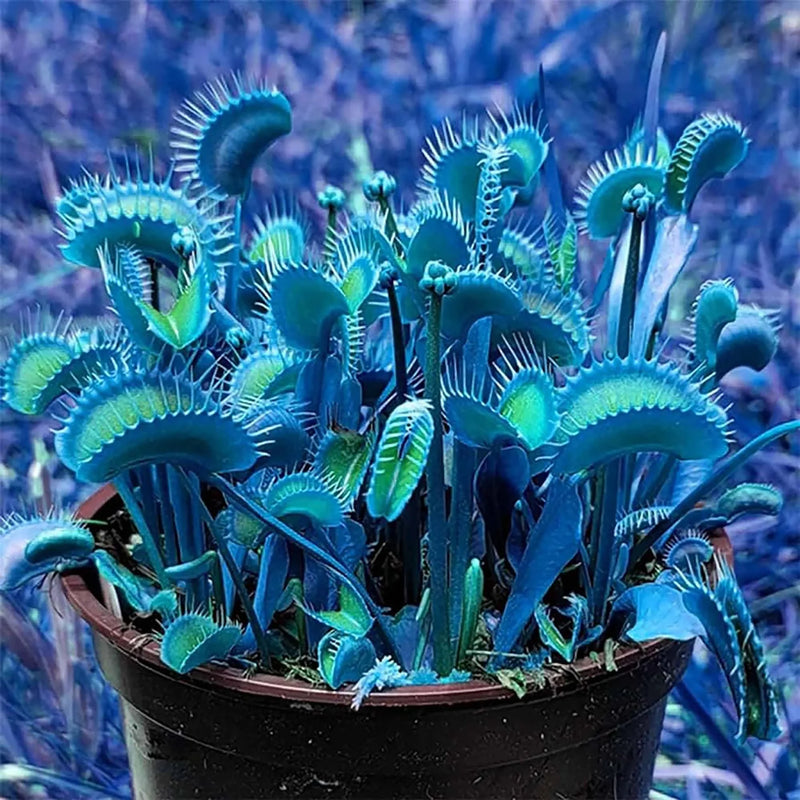
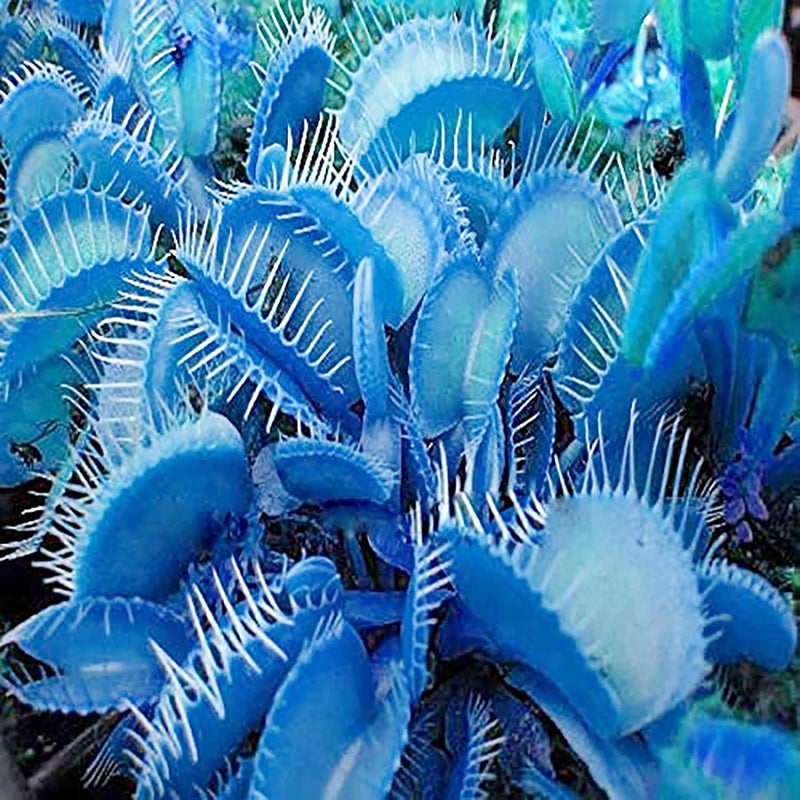
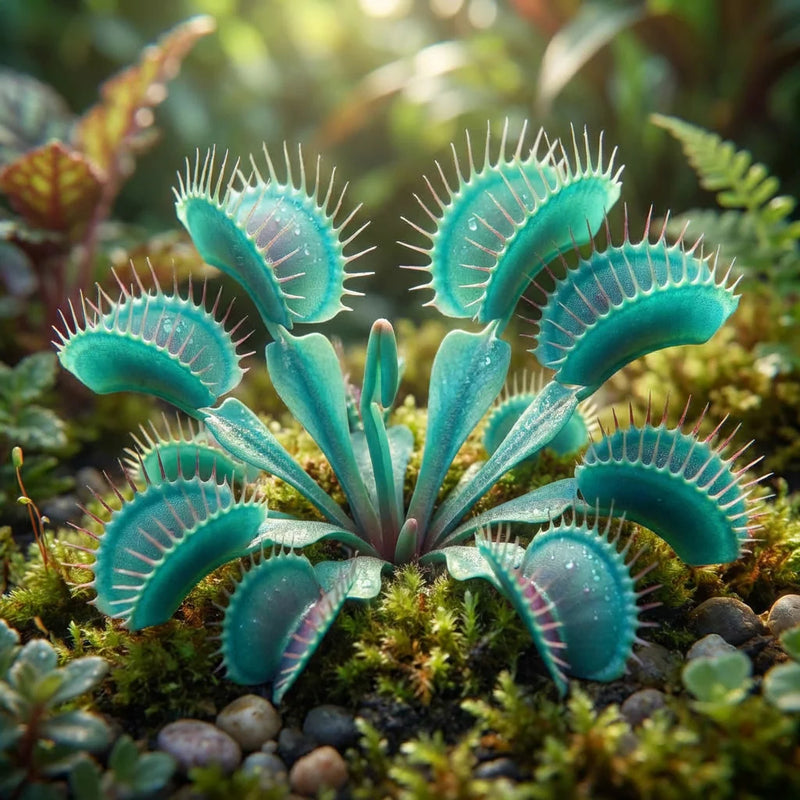
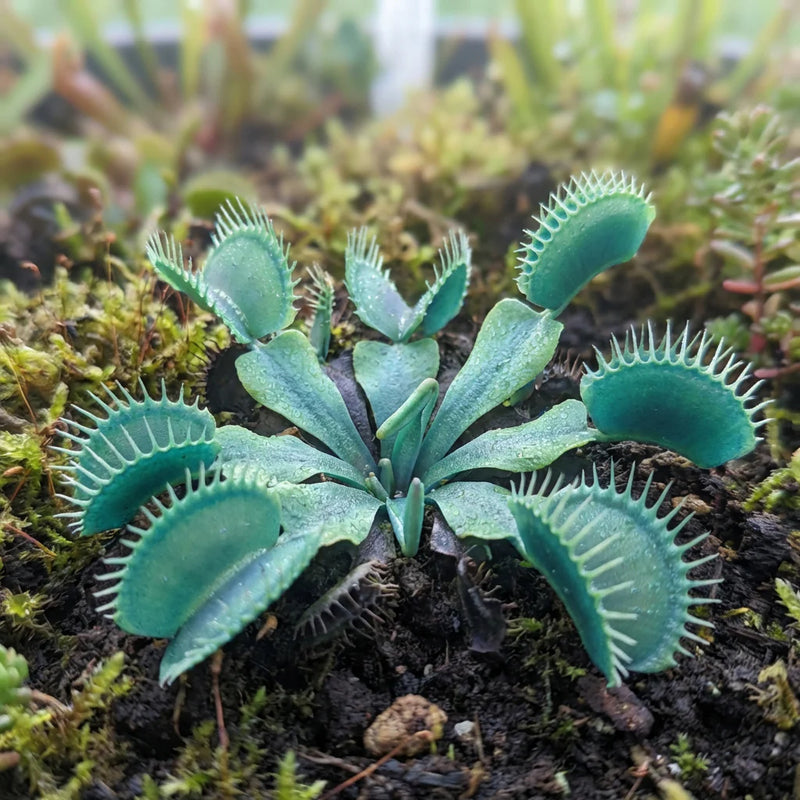
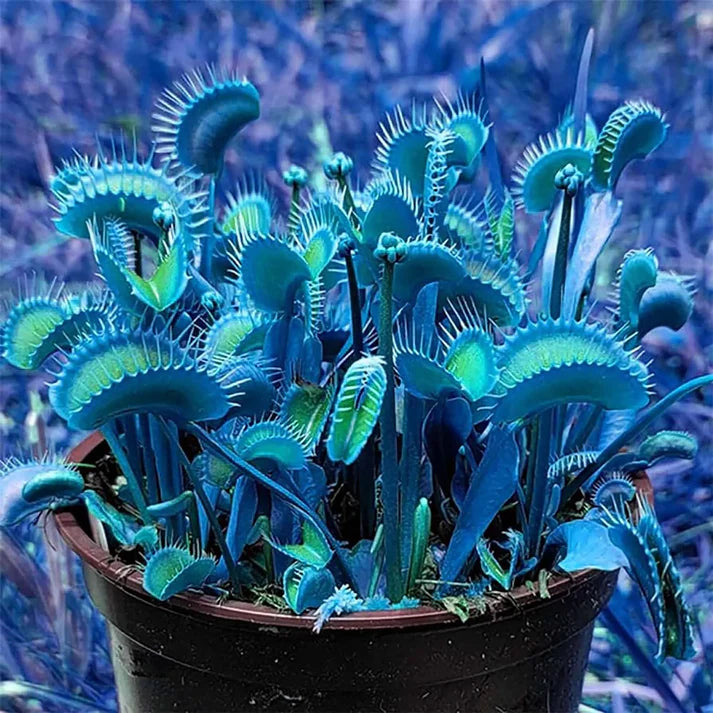
If you searched for a blue Venus flytrap, it's worth knowing upfront: no true blue-trapped variety of Dionaea muscipula exists. Real Venus flytraps develop shades of green, red, and deep purple-red depending on light exposure and genetics, but not blue. Listings claiming a "rare blue Venus flytrap" online are a well-known misrepresentation, and buyers of those listings often report receiving nothing, a dead plant, or an ordinary red or green flytrap that was never going to turn blue. We'd rather tell you that plainly than sell you on a color that doesn't exist — what we do carry is the real plant, with all of its genuinely striking, naturally occurring color range intact.

Why Grow Venus Flytrap Seeds
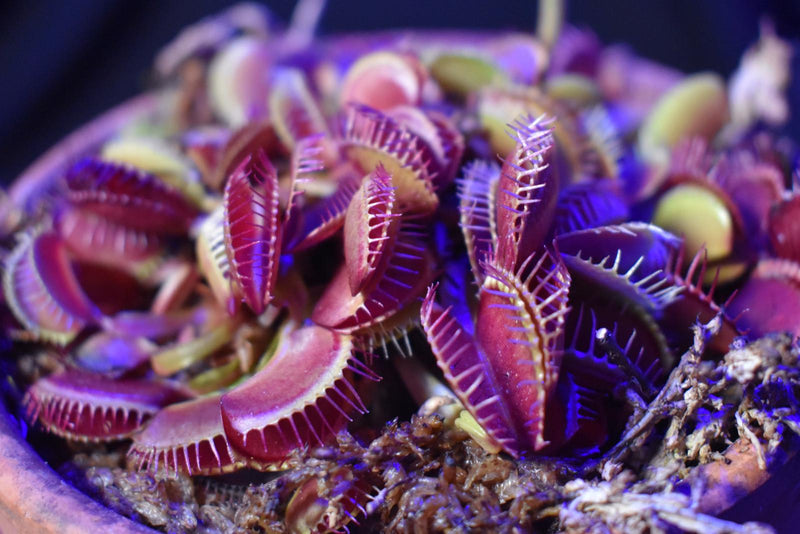
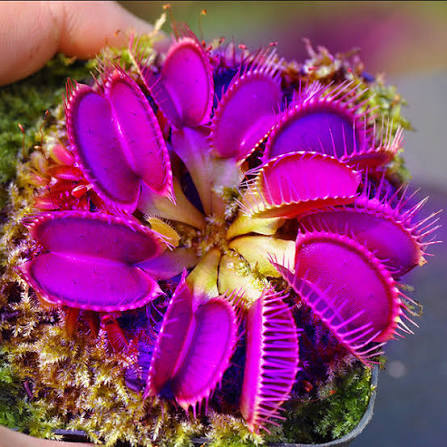
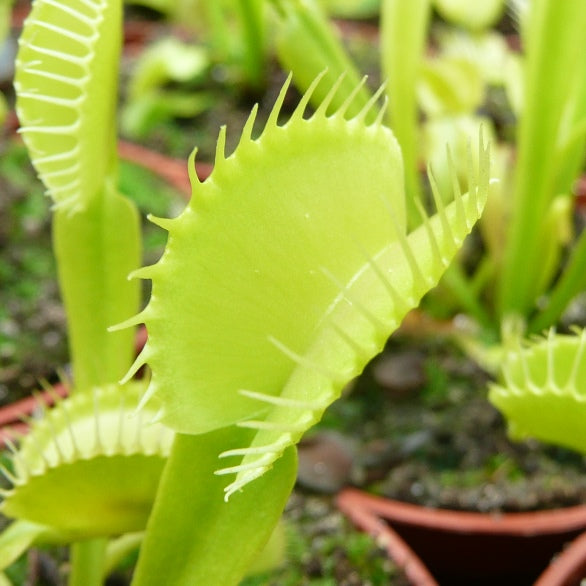
There's nothing quite like watching a Venus flytrap snap shut on an unsuspecting insect, and growing your own from seed is a genuinely satisfying project for anyone curious about carnivorous plants. Dionaea muscipula produces hinged, trigger-hair traps that close in a fraction of a second, and under bright light, many plants develop a deep red or purple-red interior that makes for a striking, conversation-starting houseplant or bog garden addition.

Unlike a lot of exotic seeds, Venus flytrap seeds are actually fairly approachable to germinate for a patient grower — the real commitment is time, not difficulty. Seedlings start out tiny, with traps barely large enough to catch a gnat, and it takes a few years of steady growth before a plant reaches full maturity. For growers who enjoy watching a plant develop slowly and dramatically over time, that's part of the appeal.

Ila Seeds carries fresh Venus Flytrap seeds for home growers and carnivorous plant hobbyists building out their collection.

What to Know Before Growing Venus Flytrap Seeds
Real Trap Colors — Trap coloration ranges from green to deep red-purple, strongly influenced by light intensity — the brightest, most direct light typically brings out the deepest red tones. Because these are grown from seed rather than propagated from a single cloned plant, individual seedlings show natural variation in color and intensity.

Native Habitat & Hardiness — Venus flytraps are native to boggy wetlands of the Carolinas in the southeastern US and are winter-hardy outdoors in USDA zones 8–10. Elsewhere, they're commonly grown as container or terrarium plants and need protection from hard freezes.

Light Requirements — Flytraps need a lot of direct light to thrive and develop good trap color and vigor — aim for several hours of direct sun daily, or bright supplemental grow lighting if grown indoors. Low light produces weak, green-tinted traps and poor growth.

Water & Soil — This is a bog plant, so it needs consistently moist, nutrient-poor soil and mineral-free water only — distilled water, reverse osmosis water, or clean rainwater. Tap water minerals will damage or kill the plant over time.

Gardening Insights: Growing Venus Flytrap From Seed
Sunlight: Bright, direct light is essential for healthy growth and strong trap coloration. Indoors, place near a very sunny window or under dedicated grow lights.

Soil: Use a 1:1 mix of peat moss and silica sand (or long-fibered sphagnum moss) — standard potting soil and fertilizer will harm this plant. Keep the medium consistently moist, never allowing it to dry out completely.

Starting seeds: Scatter seeds on the surface of moist growing medium without burying them, and keep them warm — ideally 75–85°F — and humid, using a clear cover with a few air holes to maintain moisture. Water only with distilled or rainwater, keeping the medium moist but not waterlogged. Germination typically takes 2 to 8 weeks depending on temperature.

Timing: Seeds can be started indoors at any time of year in a warm, controlled environment, though many growers start in spring to align seedling growth with the plant's natural active growing season.

Care once established: Gradually increase light exposure once seedlings develop their first true traps, and remove any germination cover to improve airflow. Water with mineral-free water only, keeping the soil consistently moist. Mature flytraps need a cool winter dormancy period to stay healthy long-term — don't keep them warm and actively growing year-round indefinitely. Expect several years of steady growth before plants reach full mature size.

Frequently Asked Questions
Do blue Venus flytraps really exist?
No. There is no genuine blue-trapped variety of Dionaea muscipula. Real Venus flytraps develop green, red, or deep purple-red coloration depending on light and genetics, and listings claiming a "blue" variety are a known misrepresentation, not a real plant trait.

How long do Venus flytrap seeds take to germinate?
Venus flytrap seeds typically germinate within 2 to 8 weeks under warm, consistently moist conditions, with 75-85°F being the ideal temperature range for faster germination.

What kind of water should I use for Venus flytraps?
Only mineral-free water — distilled water, reverse osmosis water, or clean rainwater. Tap water contains minerals that build up in the soil and damage or kill the plant over time.

How long until a Venus flytrap grown from seed reaches full size?
Seed-grown Venus flytraps start out very small, with tiny traps, and generally take a few years of steady growth to reach mature size and full trap development.

Where can I buy Venus Flytrap seeds online?
Ila Seeds carries fresh Venus Flytrap (Dionaea muscipula) seeds for home growers and carnivorous plant enthusiasts. Browse the collection and we ship straight to your door.