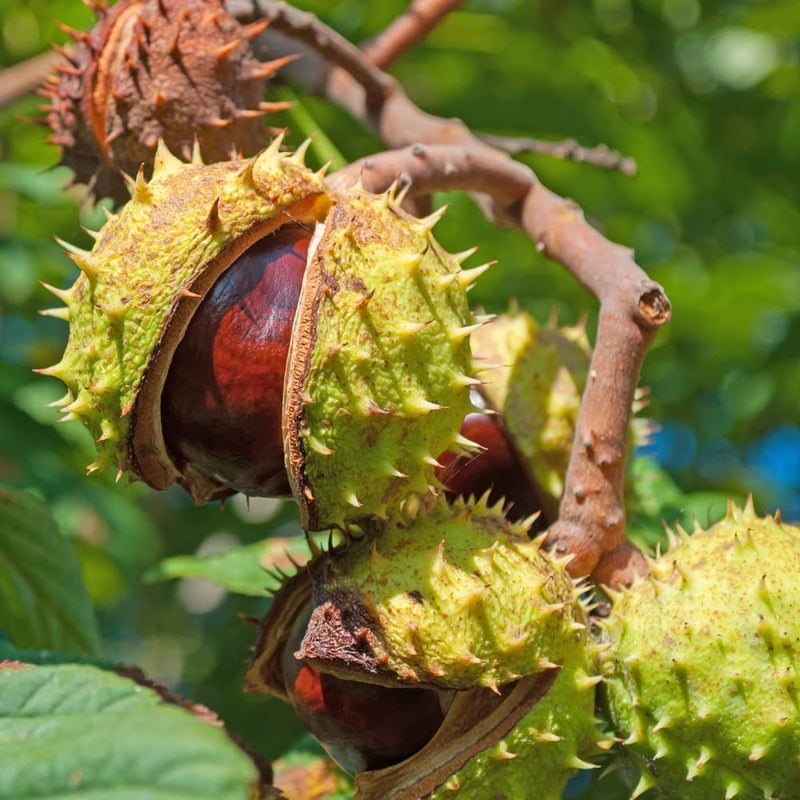
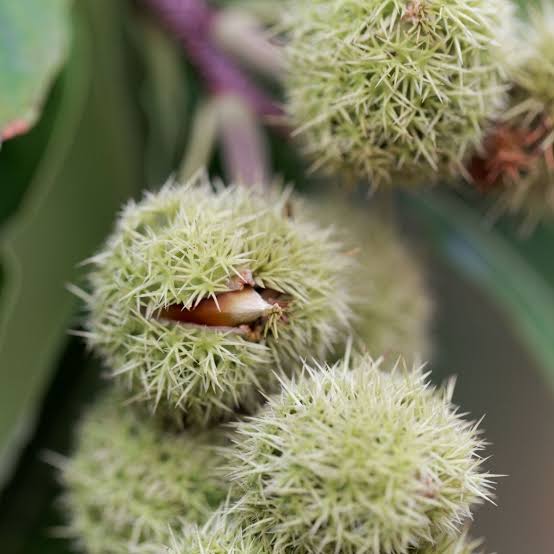
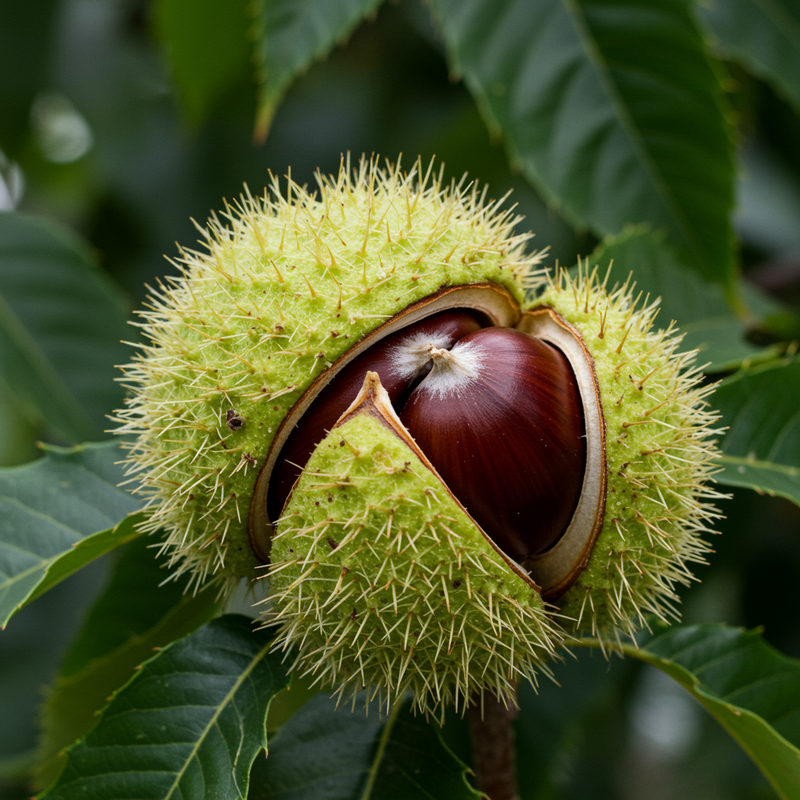
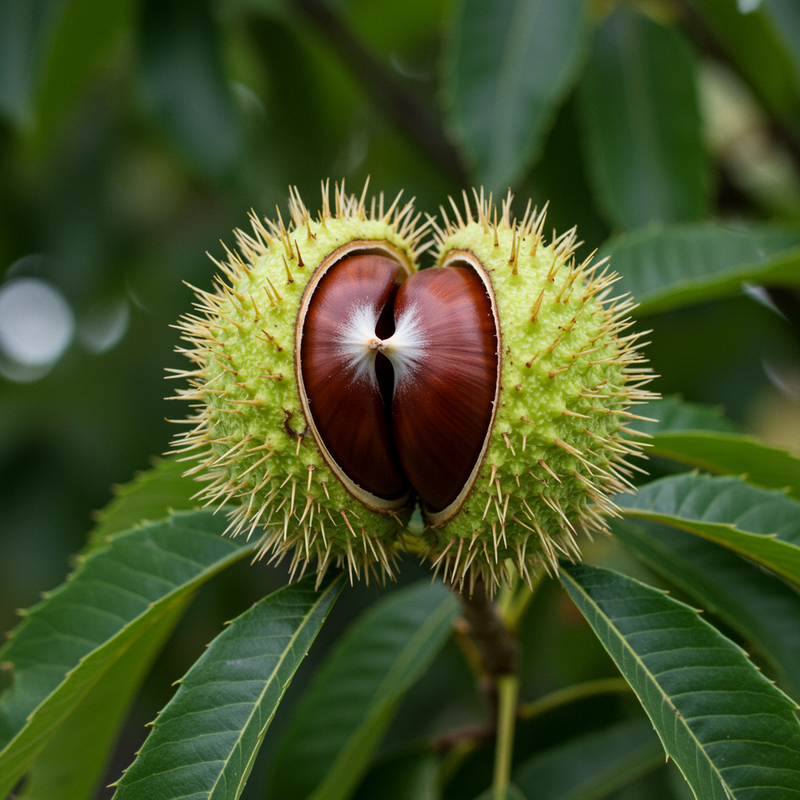
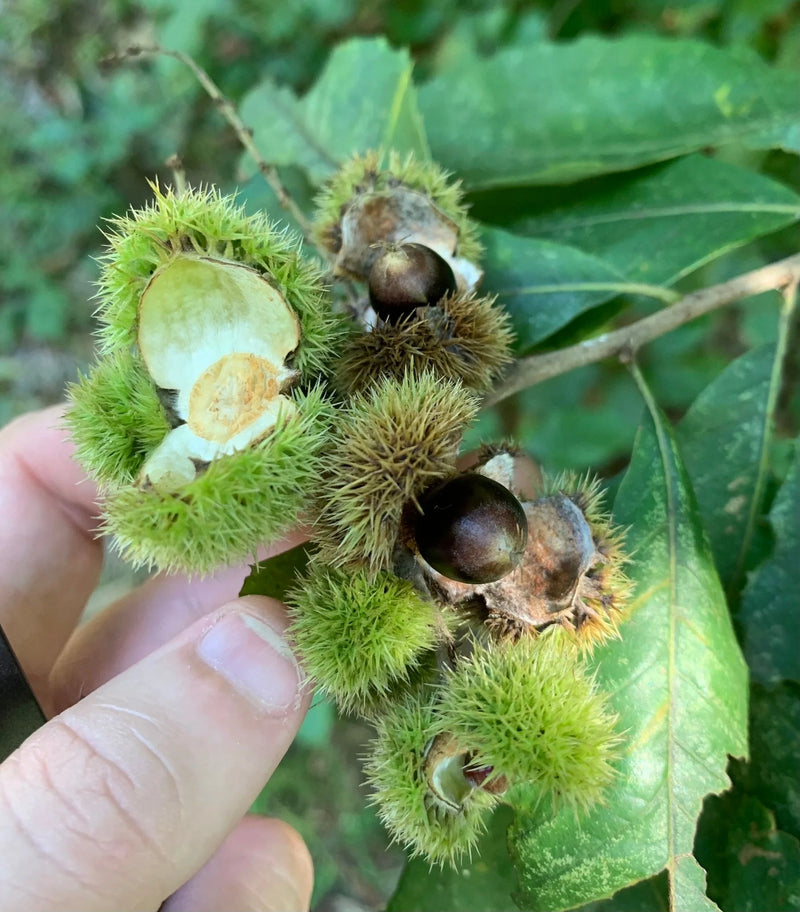
Chinquapin Chestnut Tree Seeds for Planting – Heirloom, Non-GMO Fruit Seeds
- 100 Pcs
- 500 Pcs
- 1000 Pcs
- 2000 Pcs
Free Shipping On All Orders
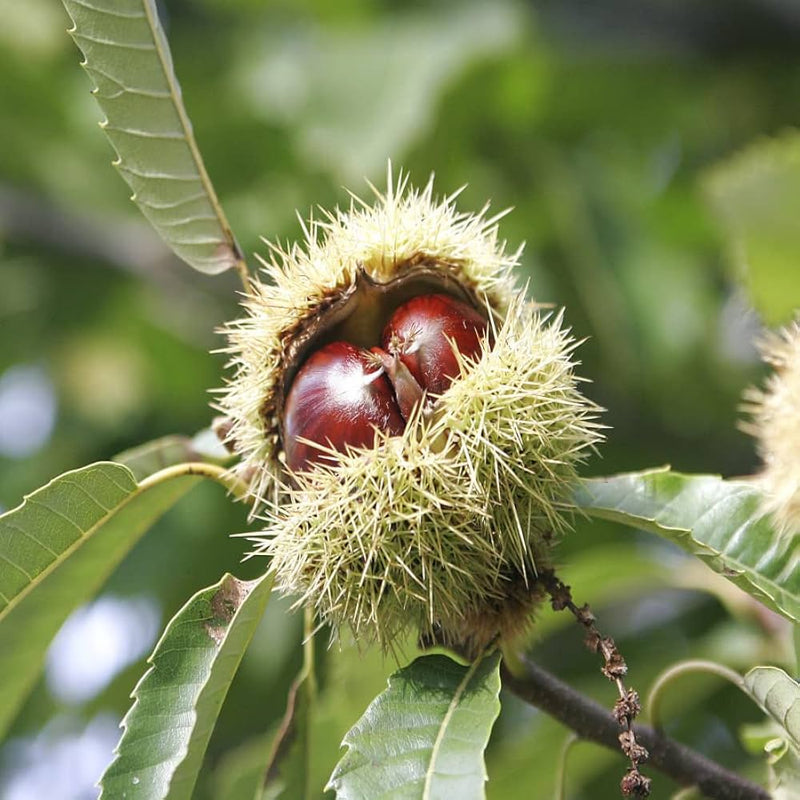
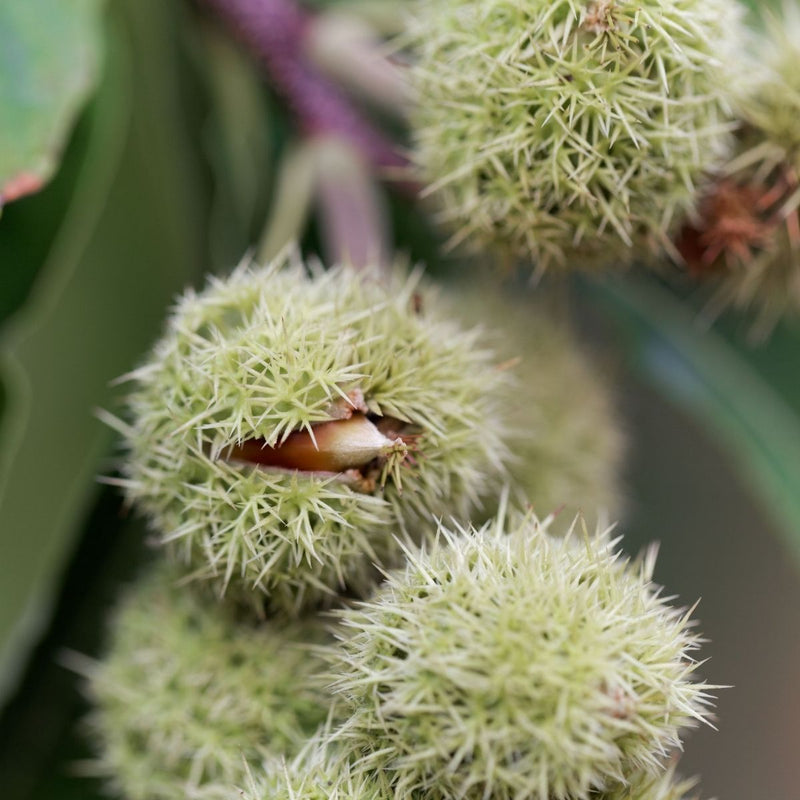
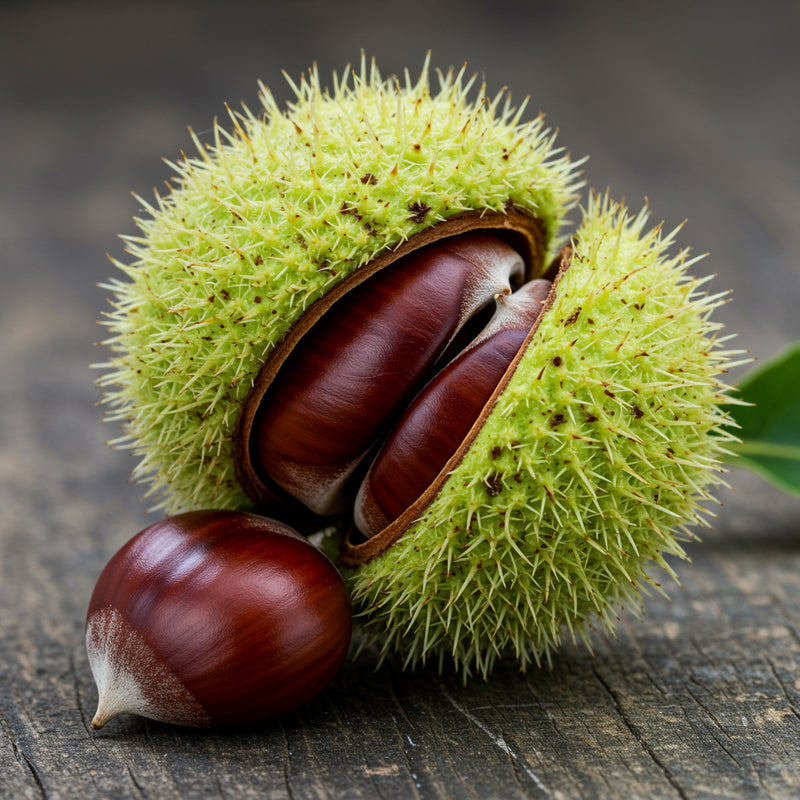
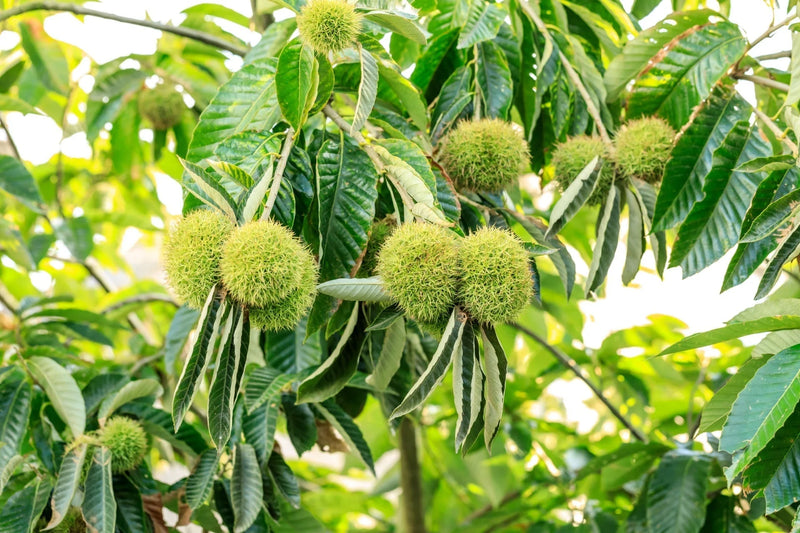
Grow a piece of American forest history with Ila Seeds' American Chestnut tree seeds. Castanea dentata was once one of the most dominant, important trees in the eastern United States — prized for its towering size, sweet edible nuts, and rot-resistant timber — before a fungal blight devastated the species in the early 1900s. Our American Chestnut tree seeds are fresh stock for home growers, restoration enthusiasts, and anyone who wants to grow a genuinely historic native tree.
100% Organic Heirloom
14 products


Why Grow American Chestnut Tree Seeds
American Chestnut carries a genuinely remarkable story. A century ago, it was one of the most abundant trees in eastern North American forests — some estimates put it at nearly one in four trees across parts of Appalachia — until an introduced fungal disease called chestnut blight wiped out the mature population in just a few decades. Growing American Chestnut tree seeds today connects a home garden to that history, and to the ongoing effort to bring this species back.
Beyond the history, it's simply a rewarding tree to grow. American Chestnut is fast-growing when young, produces genuinely sweet, flavorful nuts once mature, and was historically valued for its straight, rot-resistant timber. For home growers with the space and patience, it's a meaningful addition to a native tree collection or a small home orchard.
Ila Seeds carries fresh American Chestnut tree seeds for growers interested in this historic and ecologically significant native species.
What to Know Before Growing American Chestnut Tree Seeds
About Chestnut Blight — An Honest Look — This is the single most important thing to understand before planting: pure American Chestnut has no meaningful resistance to chestnut blight, the introduced fungal disease that decimated the species, and there's no guarantee that any given seed-grown tree will stay blight-free long-term. In regions of the eastern US where the blight fungus is still widespread, most seed-grown trees eventually develop blight cankers as they mature — though rather than dying outright, affected trees commonly resprout from the base and can persist this way for a long time. In areas where blight has more difficulty surviving, including parts of the western US, trees grown from seed can live and produce nuts for decades. Growing pure American Chestnut is a genuinely worthwhile, historically meaningful project — just one to go into with realistic expectations rather than assuming a guaranteed, generations-long shade tree.
Size & Growth Habit — American Chestnut is a large forest tree capable of reaching great heights at maturity, and grows relatively quickly while young. It needs real space to reach its potential and isn't well suited to small urban lots.
Climate & Hardiness — Native to the eastern US, American Chestnut is winter-hardy across a wide range of temperate climates, generally USDA zones 4–8.
Nut Production — A tree grown from seed typically takes several years before it begins flowering and producing nuts, so this is a long-term planting rather than a quick harvest.
Gardening Insights: Growing American Chestnut From Seed
Sunlight: Full sun gives the best growth and nut production; American Chestnut tolerates some shade when young but performs best with plenty of direct light as it matures.
Soil: Well-drained, slightly acidic soil is ideal. Chestnut is sensitive to poorly drained, waterlogged ground, so choose a planting site with good drainage.
Starting seeds: American Chestnut seeds need cold stratification to germinate reliably — if your seeds haven't already been cold-stratified, chill them in slightly moist, refrigerated conditions for 90 to 120 days before planting. Once stratified, plant about 1-2 inches deep in well-drained soil and keep consistently moist. Protect germinating nuts from rodents, which are drawn to them.
Timing: Plant stratified seeds in early spring, or sow directly outdoors in fall and let winter provide natural cold stratification.
Care once established: Water young trees regularly during their first couple of growing seasons while roots establish. Give the tree ample room to grow to full size. Monitor for signs of blight canker as the tree matures, and know that resprouting from the base is a normal part of this species' life cycle in blight-affected regions rather than a sign of total failure.
Frequently Asked Questions
Will my American Chestnut tree be resistant to blight?
Pure American Chestnut has no guaranteed resistance to chestnut blight. In regions where the blight fungus is still common, trees often eventually develop blight but typically resprout from the base rather than dying completely. In areas where blight has difficulty surviving, trees can live and produce nuts for decades.
Do American Chestnut seeds need cold stratification?
Yes. American Chestnut seeds generally need 90 to 120 days of cold, moist stratification to germinate reliably, whether done in a refrigerator before spring planting or naturally by sowing outdoors in fall.
How long until an American Chestnut tree produces nuts?
A tree grown from seed typically takes several years to mature enough to flower and produce nuts, making this a long-term planting rather than a fast harvest.
How big does an American Chestnut tree get?
American Chestnut is a large forest tree capable of reaching great heights at maturity and needs significant space, making it better suited to larger properties than small urban lots.
Where can I buy American Chestnut tree seeds online?
Ila Seeds carries fresh American Chestnut (Castanea dentata) tree seeds for home growers and conservation-minded gardeners. Browse the collection and we ship straight to your door.