Sugarcane Seeds

Grow your own tall, sweet sugarcane with Ila Seeds' Sugarcane seeds. Saccharum officinarum is a towering tropical grass that's supplied sugar to the world for centuries, and it makes a genuinely dramatic addition to a home garden — a dense, fast-growing screen that also happens to be edible. Our Sugarcane seeds are fresh stock, suited to home gardeners in warm climates who want to grow a real stand of cane at home.

Sugarcane Seeds 100% Organic Heirloom

3 products

Why Grow Sugarcane Seeds at Home
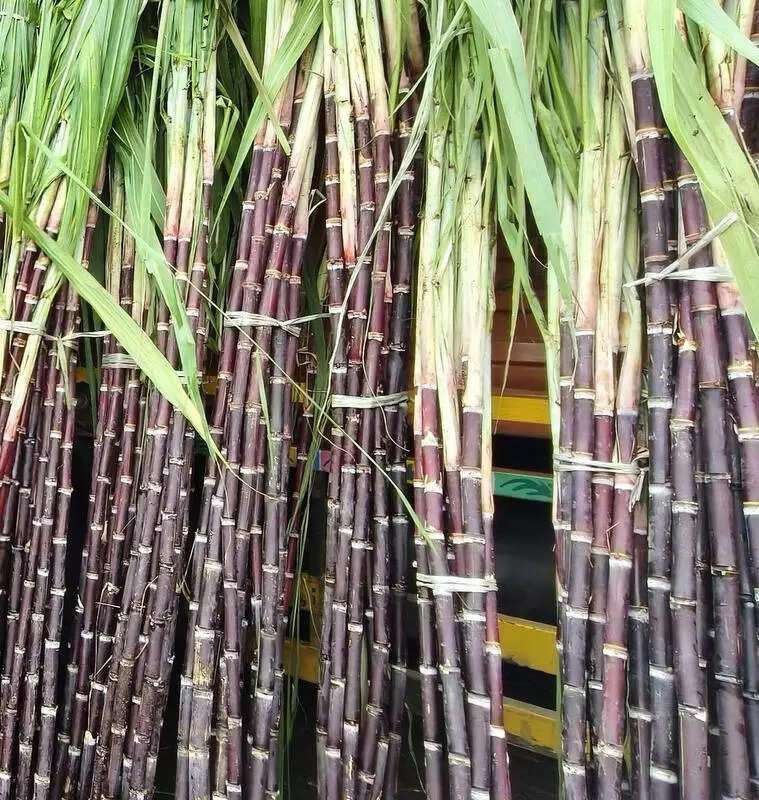
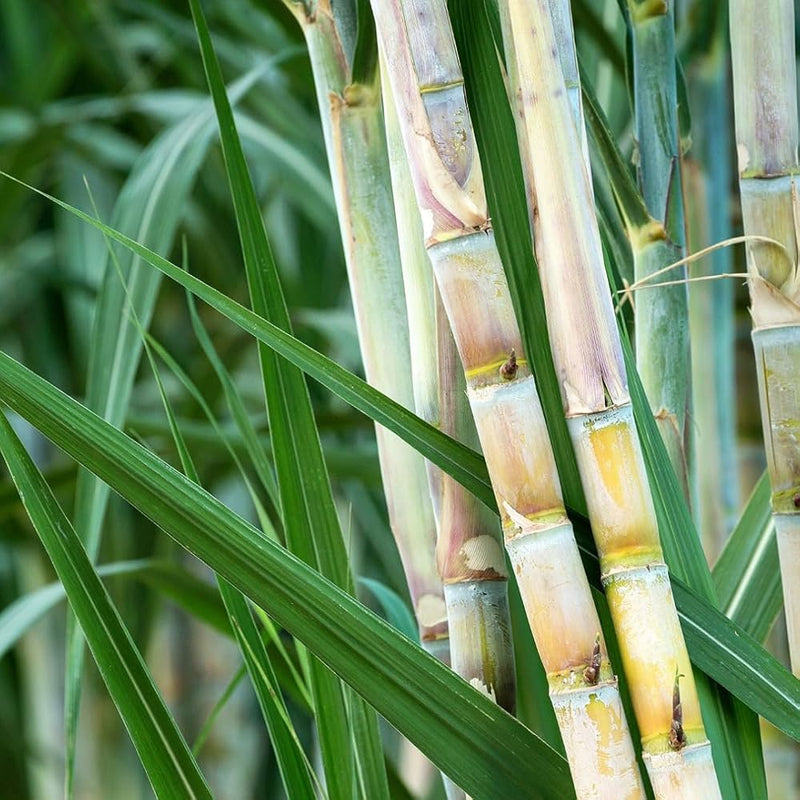
Sugarcane is one of those plants that just feels impressive to grow — a dense stand of thick, towering stalks that can reach 10 feet or more, all from a home garden planting. Beyond the visual drama, it's genuinely useful too: mature stalks can be harvested and chewed for their sweet juice, pressed for homemade cane juice, or simply grown as an ornamental ­privacy screen or windbreak in warm climates.

Sugarcane is also a forgiving plant once it's established, growing vigorously through a warm season with fairly minimal fuss. It's the kind of crop that rewards patience with a genuinely satisfying payoff — a home-grown stand of cane you can harvest, share, or simply enjoy as a striking tropical accent in the garden.

Ila Seeds carries fresh Sugarcane seeds for home gardeners in warm or tropical climates ready to take on this rewarding, larger-scale project.

What to Know Before Planting Sugarcane Seeds
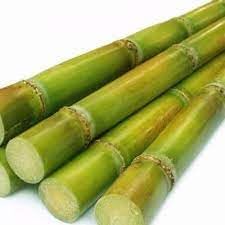
How Sugarcane Is Usually Grown — This is important to understand upfront: sugarcane is almost always propagated from short sections of mature cane stalk (often called "seed cane" or "setts") rather than true botanical seed, since plants grown from true seed don't reliably inherit the same characteristics as the parent plant. If your Sugarcane seeds are seed-cane sections, each piece needs at least one healthy bud (node) to sprout a new shoot. If you've been supplied with true seed harvested from the cane's flowering plume, expect more variation between plants and a longer, less predictable path to germination.

Climate Requirements — Sugarcane is a true tropical to subtropical grass and needs a long, warm growing season with no frost. It performs best in climates with hot summers and mild winters; hard freezes will kill the above-ground growth.

Space & Growth Habit — This is a large plant. Sugarcane forms dense clumps of thick stalks that can reach impressive heights in a single warm season, so give it plenty of room and full sun to really perform.

Soil — Sugarcane isn't especially fussy, but it performs best in deep, well-draining, fertile soil that's been worked loose ahead of planting to support its extensive root system.

Gardening Insights: Growing Sugarcane From Seed or Seed-Cane
Sunlight: Full sun is essential — sugarcane is a heat-loving grass that needs plenty of direct light to grow vigorously.

Soil: Deep, fertile, well-draining soil worked to a good depth ahead of planting gives the root system room to establish properly.

Starting seed-cane: If planting seed-cane sections, lay each piece horizontally in a shallow trench and cover with a few inches of soil, ensuring at least one bud faces upward. Keep the soil consistently moist; shoots typically emerge within one to three weeks. If planting true seed, sow after the last frost once soil has warmed, keep consistently moist, and expect more variable timing and results than seed-cane.

Timing: Plant in spring after all danger of frost has passed and soil has warmed, giving the crop the longest possible warm season to establish and grow.

Care once established: Water regularly, especially during establishment and through the growing season, tapering off as stalks mature. Sugarcane benefits from a fertile soil and occasional feeding during active growth. In cooler climates, protect the root zone with heavy mulch over winter, since hard frost will kill back the above-ground stalks.

Frequently Asked Questions
Are sugarcane seeds actual seeds or pieces of cane?
Sugarcane is most commonly propagated from short sections of mature stalk, known as "seed cane" or setts, since plants grown from true botanical seed don't reliably inherit the same traits as the parent plant. True seed is generally reserved for breeding new varieties and produces more variable results.

How long does sugarcane take to sprout after planting?
Seed-cane sections typically sprout within one to three weeks under warm, moist conditions. True botanical seed tends to be slower and less predictable.

Can sugarcane be grown outside tropical climates?
Sugarcane needs a long, warm, frost-free growing season to thrive. In cooler climates, growers can plant in large containers moved indoors, or heavily mulch the root zone to protect it through mild winters.

How much space does sugarcane need?
Sugarcane forms dense clumps of tall, thick stalks that can reach significant height in a single season, so it needs plenty of open space and full sun to perform well.

Where can I buy Sugarcane seeds online?
Ila Seeds carries fresh Sugarcane seeds for home and tropical gardens. Browse the collection and we ship straight to your door.