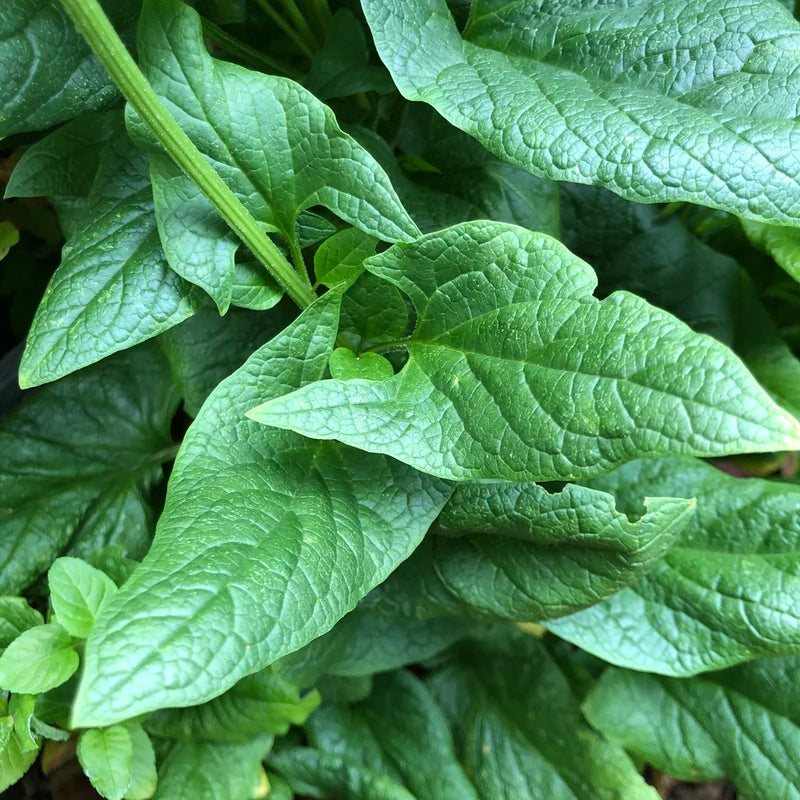
Good King Henry seeds

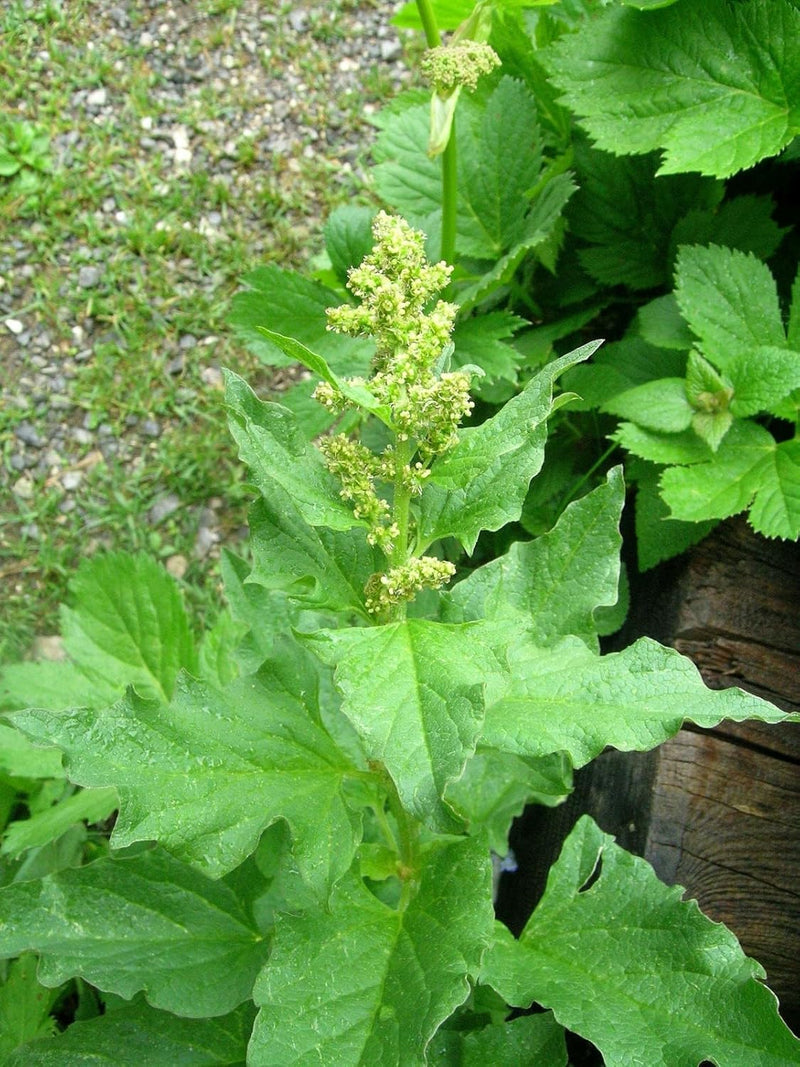
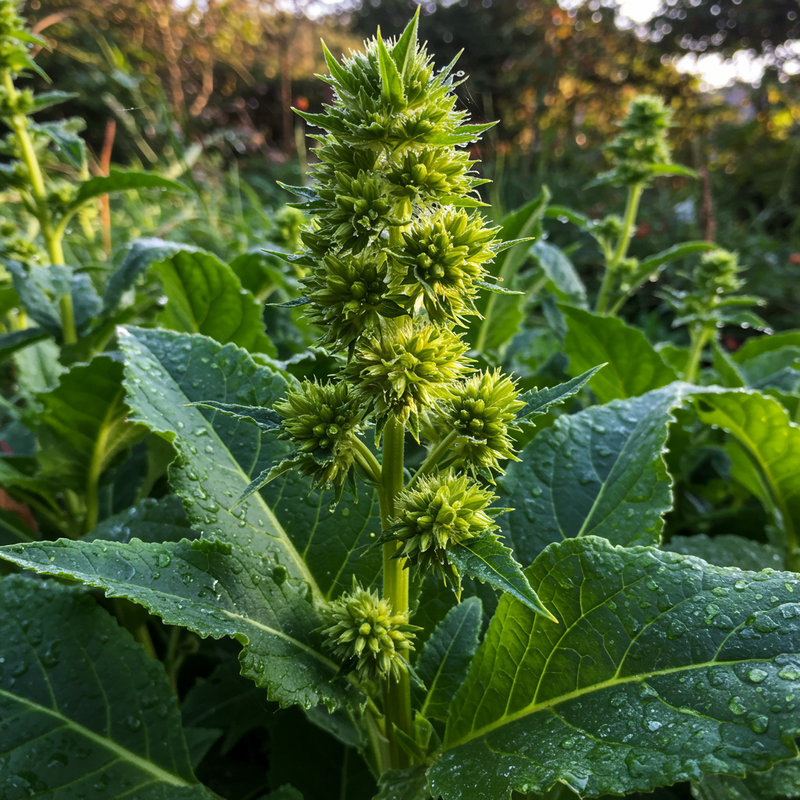
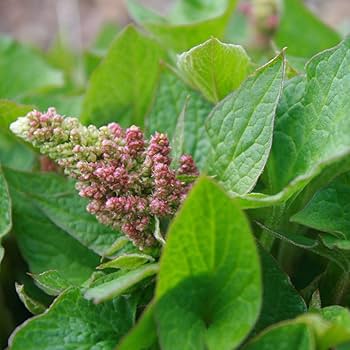
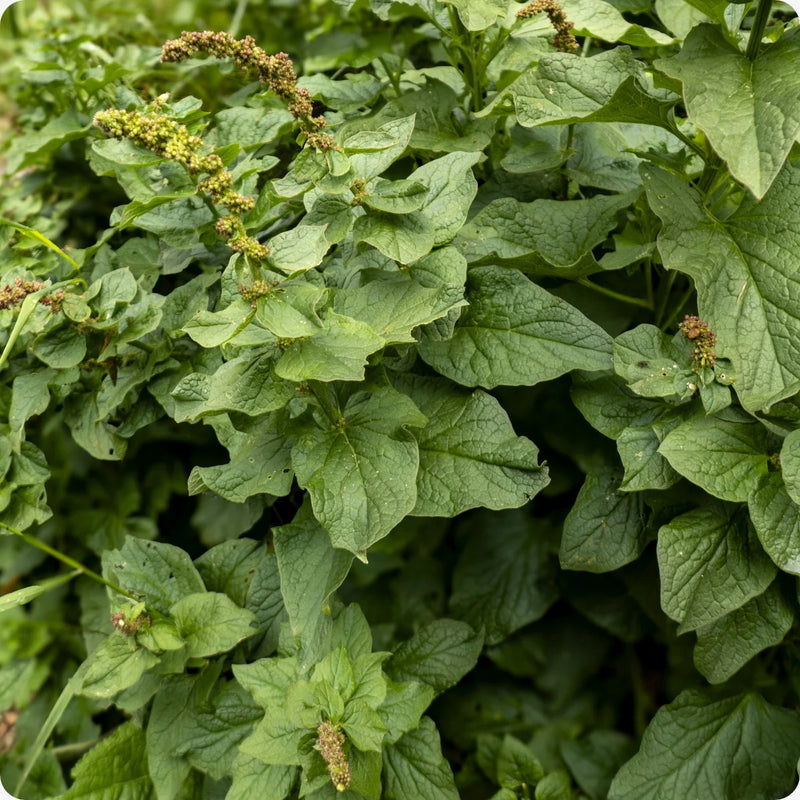
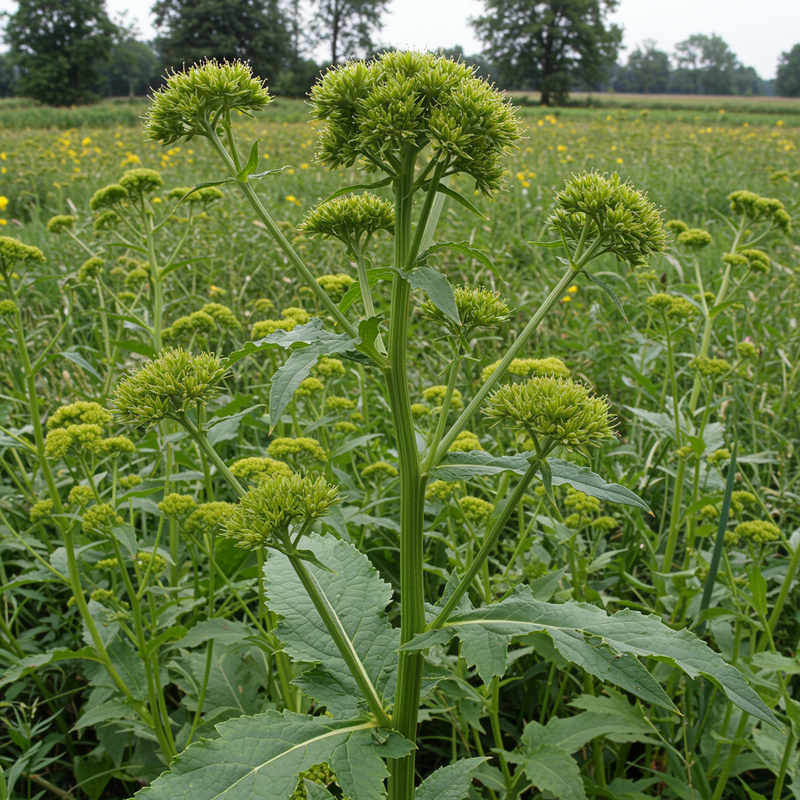
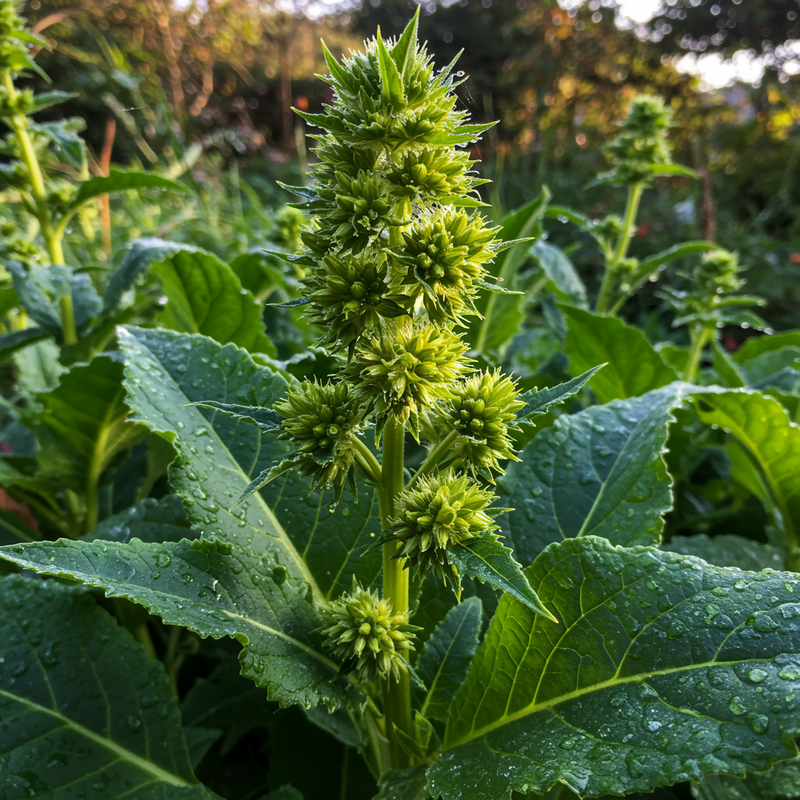
Grow a genuine piece of medieval kitchen garden history with Ila Seeds' Good King Henry seeds. Also known as Lincolnshire Spinach or Poor Man's Asparagus, this hardy perennial green has been cultivated in European cottage gardens since at least the 16th century, valued for its spinach-like leaves and asparagus-flavored spring shoots. Our Good King Henry seeds are fresh stock, perfect for gardeners who want a genuinely low-maintenance, self-renewing green.

Good King Henry seeds 100% Organic Heirloom

12 products

Why Grow Good King Henry Seeds
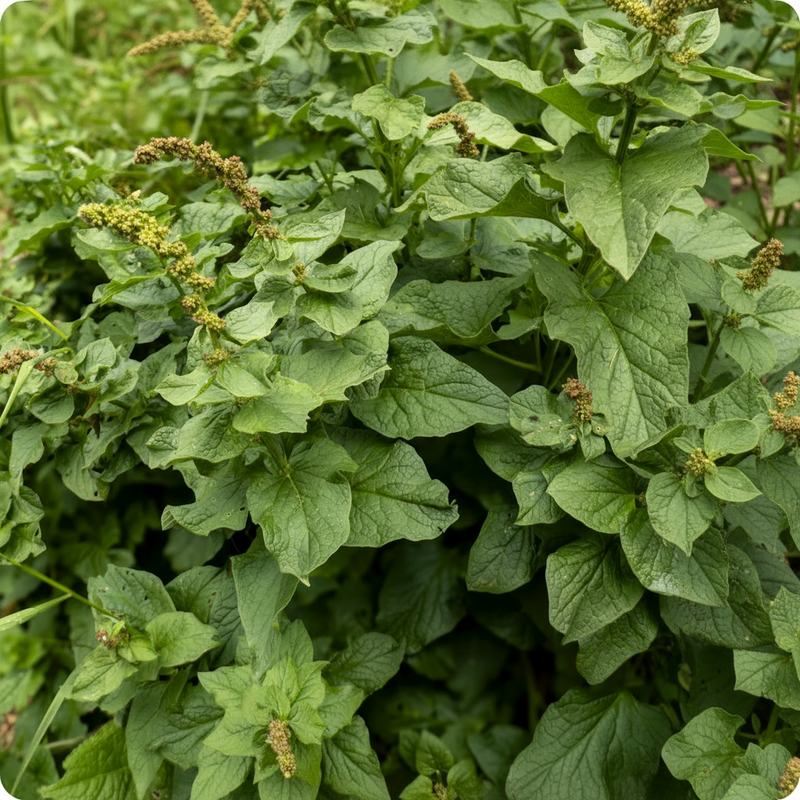
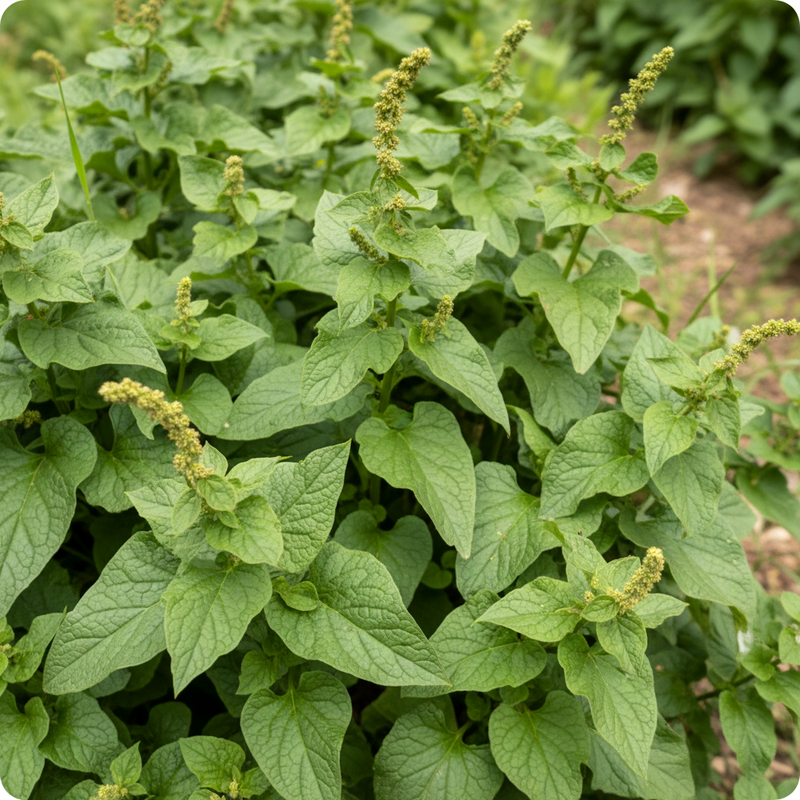
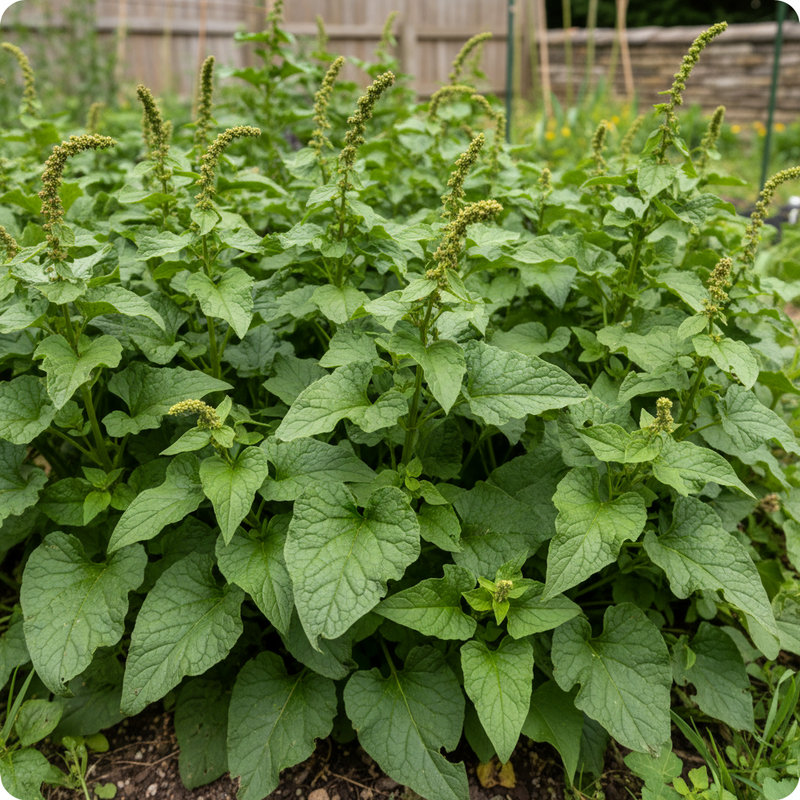
Good King Henry is a genuine cottage garden relic, and it earns its keep in more ways than one. Grow it from seed and you get a plant that offers a spinach substitute from its arrow-shaped leaves and an asparagus-flavored treat from its pencil-thin young spring shoots — all from a single, low-fuss perennial that returns year after year without needing to be replanted.

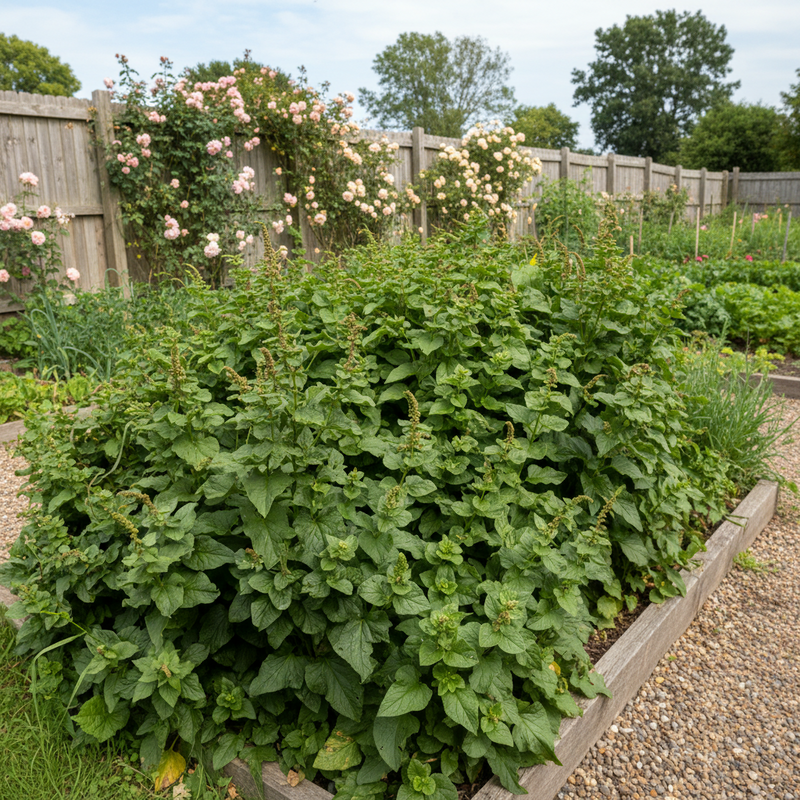
It's the kind of plant that rewards a bit of patience at the start. Good King Henry seeds can be genuinely slow and a little erratic to germinate, but once established, the plant asks for very little in return — just consistent moisture and a yearly top-dressing of compost. For gardeners building out a permaculture bed, a homestead garden, or simply a more self-sufficient kitchen garden, it's a plant worth the initial patience.

Ila Seeds carries fresh Good King Henry seeds for gardeners looking to add this hardy, historic perennial green to their garden.

What to Know Before Planting Good King Henry Seeds
Germination Takes Patience — This is worth knowing upfront: Good King Henry seeds are naturally slow and somewhat erratic to germinate, sometimes taking several weeks to show any sign of life. Cold stratification — chilling seeds in moist sand or a damp paper towel in the refrigerator for roughly 8 to 10 weeks — noticeably improves and speeds up germination.

Doesn't Like Being Transplanted — Good King Henry develops a single taproot early on and can suffer transplant shock if disturbed. Where possible, direct-sow in its permanent spot, or handle young transplants very gently and as early as possible.

Cook Before Eating Leaves — Like its relatives in the goosefoot family (including spinach and beets), Good King Henry leaves contain oxalic acid and are best cooked rather than eaten raw in large quantities. Lightly steamed or sautéed, the leaves make a genuinely pleasant spinach substitute.

Climate & Hardiness — This perennial is winter-hardy across USDA zones 3-9, dying back to the ground in cold winters and re-emerging reliably each spring.

Gardening Insights: Growing Good King Henry From Seed
Sunlight: Full sun to partial shade; in particularly warm climates, some afternoon shade helps prevent stress.

Soil: Well-drained, fertile soil rich in organic matter is ideal, though Good King Henry tolerates a range of soil types. Work in a couple inches of aged compost before planting.

Starting seeds: For best results, cold-stratify seeds for 8 to 10 weeks in moist sand in the refrigerator before sowing, or direct-sow outdoors in late fall/early winter to let natural winter cold do the stratifying. Sow seeds about ¼ inch deep and keep the soil consistently moist; germination typically takes 2 to 4 weeks, sometimes longer.

Timing: Direct-sow in early spring or fall. Avoid starting young plants during hot summer weather, since warm temperatures and long days can trigger premature bolting.

Care once established: Keep the soil evenly moist throughout the growing season and mulch around plants to help retain moisture and keep soil from splashing onto leaves. Side-dress with compost once or twice a year. Harvest leaves and shoots regularly to encourage continued growth, but avoid stripping the plant bare so it can keep producing.

Frequently Asked Questions
Why won't my Good King Henry seeds germinate?
Good King Henry seeds are naturally slow and somewhat erratic to germinate, sometimes taking several weeks. Cold stratification — chilling seeds in moist sand for about 8 to 10 weeks before sowing — noticeably improves and speeds up germination.

Can Good King Henry leaves be eaten raw?
Like spinach and beets, Good King Henry contains oxalic acid and is best cooked rather than eaten raw in large quantities. Lightly steamed or sautéed, the leaves work well as a spinach substitute.

Is Good King Henry a perennial?
Yes, Good King Henry is a hardy perennial across USDA zones 3-9, dying back to the ground in cold winters and reliably re-emerging each spring without needing to be replanted.

Can Good King Henry be transplanted?
It can be, but it develops a single taproot early on and can suffer transplant shock if disturbed. Direct-sowing in its permanent location, or transplanting very young and gently, gives the best results.

Where can I buy Good King Henry seeds online?
Ila Seeds carries fresh Good King Henry (Chenopodium bonus-henricus) seeds for home and cottage gardens. Browse the collection and we ship straight to your door.