Why Grow Honeyberry Seeds
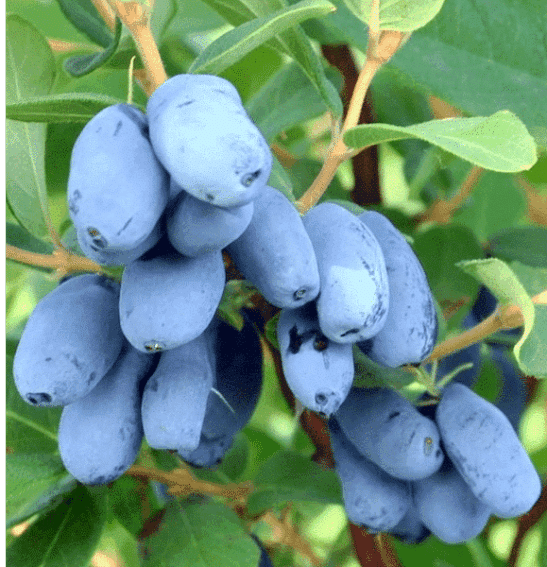
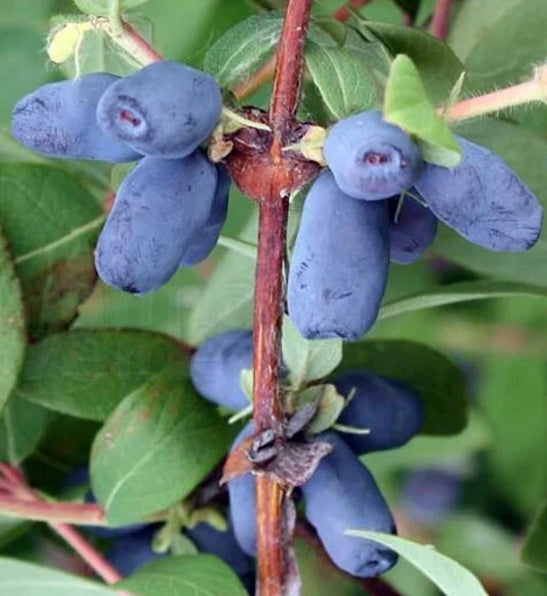
Honeyberry has a well-earned reputation as one of the toughest, most reliable fruiting shrubs a cold-climate gardener can plant. It flowers extremely early in spring, shrugging off the kind of frost that would damage other fruit crops, and it's often the very first fresh berry harvest of the season — weeks ahead of strawberries or blueberries. The elongated, deep blue berries have a sweet-tart flavor that's genuinely reminiscent of blueberry, with a hint of raspberry underneath.
Beyond the early harvest, it's a genuinely low-maintenance shrub. Honeyberry adapts to a wide range of soil types, tolerates extreme cold better than almost any other fruiting shrub, and settles into a productive life that can last decades once established. For gardeners in cold or short-season climates looking for reliable homegrown fruit, it's hard to beat.
Ila Seeds carries fresh, quality-tested Honeyberry seeds for home gardeners.
What to Know Before Planting Honeyberry Seeds
You'll Need Two or More Varieties — This is the detail that catches a lot of first-time growers off guard: Honeyberry is largely self-incompatible, meaning a single plant generally won't set much fruit on its own. Plan on growing at least two genetically different plants with overlapping bloom times for reliable cross-pollination and a real harvest.
Exceptional Cold Hardiness — Few fruiting shrubs can match Honeyberry's tolerance for cold, with established plants surviving temperatures down to -40°F. This makes it a genuinely good option for gardeners in harsh winter climates where other fruit crops struggle.
Patience for First Fruit — Plants typically begin fruiting in their second or third year, with production increasing gradually and peaking between years five and seven.
Gardening Insights: Growing Honeyberry From Seed
Sunlight: Full sun for the best fruiting, though light shade is tolerated and may reduce some pest issues like aphids.
Soil: Well-drained soil that's reasonably fertile works well. Honeyberry is notably adaptable, tolerating a wider range of soil pH than many other berry crops, including less acidic soils where blueberries struggle.
Starting seeds: Use fresh seed, removed from the berry flesh before sowing, for the best results. Cold-stratify seeds for 60 to 90 days in a moist paper towel or moist sand in the refrigerator, then sow in a warm, consistently moist seed-starting mix.
Timing: Stratify seed over winter so it's ready for spring sowing, or collect and sow fresh seed in summer following the natural stratification cycle outdoors.
Care once established: Water regularly, especially during establishment and fruit development, and mulch to retain soil moisture. Plant at least two compatible varieties with matching bloom times for pollination, and protect ripening fruit from birds with netting if needed, since honeyberries ripen early when few other food sources are available for birds.
Frequently Asked Questions
Do I need more than one Honeyberry plant to get fruit?
Yes, generally. Honeyberry is largely self-incompatible, so a single plant usually won't set much fruit on its own. Plant at least two genetically different varieties with overlapping bloom times for reliable cross-pollination.
How cold-hardy is Honeyberry?
Extremely — established plants can survive temperatures down to -40°F, making Honeyberry one of the most cold-tolerant fruiting shrubs available.
How long do Honeyberry seeds take to germinate?
Seeds need 60 to 90 days of cold stratification before sowing, after which germination typically occurs within a few weeks under warm, consistently moist conditions.
How long until a Honeyberry plant produces fruit?
Plants typically begin fruiting in their second or third year, with yields gradually increasing and peaking between years five and seven.
Where can I buy Honeyberry seeds online?
Ila Seeds carries fresh, quality-tested Honeyberry (Lonicera caerulea) seeds for home gardeners. Browse the collection and we ship straight to your door.

 100% Organic Heirloom