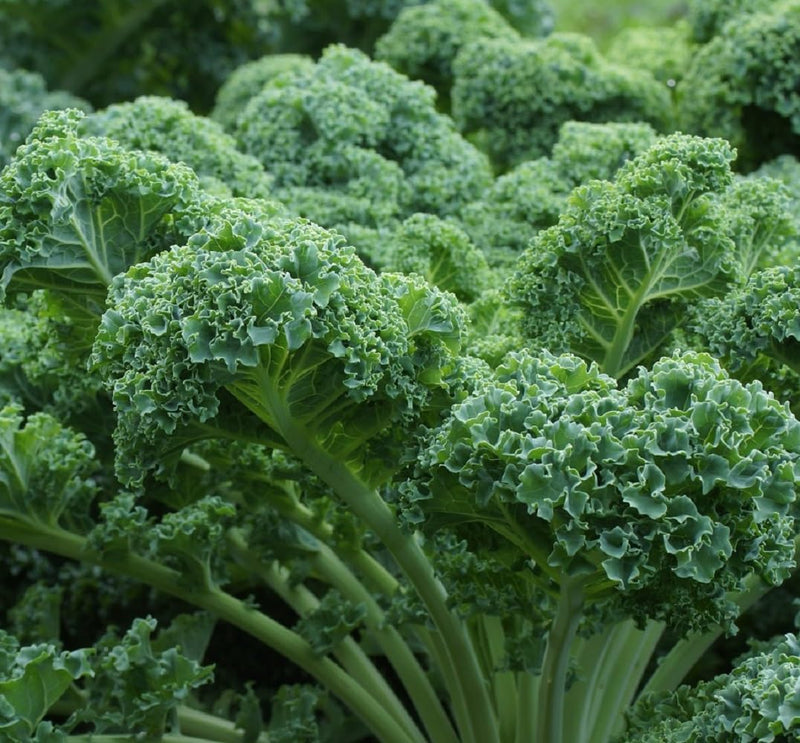
Sea Kale Vegetable Seeds

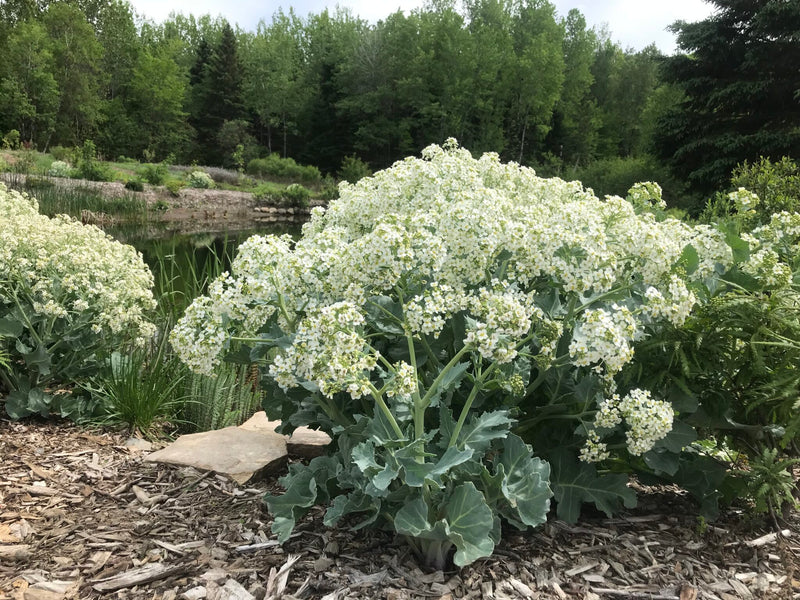
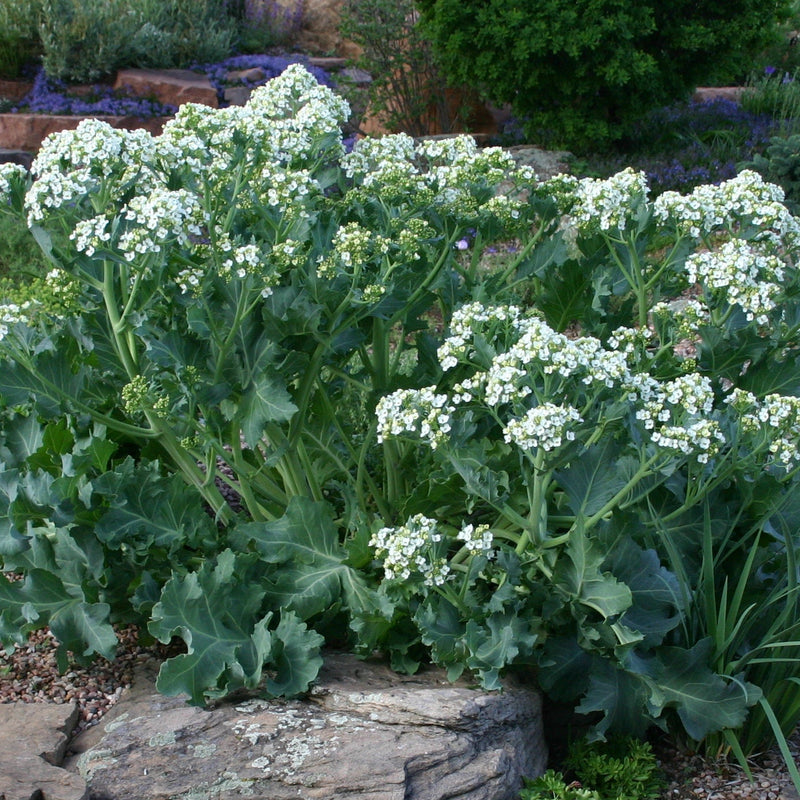
Grow a genuinely rare heirloom vegetable with Ila Seeds' Sea Kale seeds. Native to the coastlines of Western Europe, Crambe maritima has been foraged and cultivated for centuries, prized for its ornamental blue-grey foliage, honey-scented summer flowers, and tender, asparagus-like spring shoots. Our Sea Kale seeds are fresh stock, perfect for gardeners looking for a striking, long-lived perennial vegetable.

Sea Kale Vegetable Seeds 100% Organic Heirloom

8 products

Why Grow Sea Kale Seeds
Sea Kale is one of those wonderfully old-fashioned vegetables that's fallen out of common cultivation despite genuinely deserving a comeback. Grown from seed, it develops into a striking perennial with undulating, silvery-blue leaves and clouds of honey-scented white flowers in early summer — ornamental enough to earn a spot in a flower border on looks alone, before you even get to the harvest.

The harvest itself is the real treat: traditionally, Sea Kale is grown for its tender new spring shoots, which are blanched — covered to grow in darkness, using a cloche, bucket, or forcing pot — to produce pale, delicate stems with a flavor often compared to a cross between asparagus and cabbage. It's a genuinely rewarding, low-fuss perennial once established, tolerant of poor, sandy soil that would challenge most other vegetables.

Ila Seeds carries fresh Sea Kale seeds for gardeners looking to grow this rare, historic coastal vegetable at home.

What to Know Before Planting Sea Kale Seeds
Blanching Matters — This is genuinely important to know: Sea Kale's un-blanched leaves are notably tough and bitter, and it's specifically the pale, tender new shoots grown in darkness (blanched) that are prized for eating. Plan to cover emerging spring growth with a cloche, upturned bucket, or forcing pot for a few weeks to get the classic, tender harvest.

Germination Takes Patience — Sea Kale seeds are genuinely slow and irregular to germinate, sometimes taking anywhere from 2 to several weeks, or even longer for stragglers. Cold stratification (chilling seeds for at least 30 days) and cracking or removing the tough outer seed hull before sowing both noticeably improve and even out germination.

A Long-Lived Perennial — Once established, Sea Kale is a genuinely long-lived plant that keeps producing for years. It's best not to harvest heavily in the first year, letting plants establish a strong root system before beginning regular harvests from year two onward.

Climate & Soil Tolerance — True to its coastal origins, Sea Kale tolerates poor, sandy, and even somewhat saline soils better than most vegetables, and is winter-hardy across USDA zones 4-8.

Gardening Insights: Growing Sea Kale From Seed
Sunlight: Full sun gives the best growth and flowering, though partial shade is tolerated with somewhat reduced vigor.

Soil: Well-drained, sandy or loamy soil with a pH between 6.0 and 7.5 works best. Add compost to improve fertility, but good drainage matters more than rich soil for this species.

Starting seeds: Crack or remove the tough outer seed hull before sowing to improve germination, and consider 30 days of cold stratification beforehand for more even sprouting. Sow about ½ inch deep, keep consistently moist, and be patient — germination can take anywhere from 2 to several weeks and often happens unevenly across a batch of seeds.

Timing: Sow in early spring or fall. Starting indoors 6-12 weeks before your last frost, with soil temperatures around 60-70°F, tends to give the most reliable results.

Care once established: Water regularly while young, then ease off once mature, since established plants tolerate dry spells reasonably well. Mulch in late fall in colder regions for winter protection. In spring, cover emerging shoots to blanch them for harvest, and once plants are past their first year, harvest a portion of the shoots and leaves while leaving enough growth for the plant to keep thriving.

Frequently Asked Questions
Why do you need to blanch Sea Kale?
Un-blanched Sea Kale leaves are notably tough and bitter. Covering emerging spring shoots to grow them in darkness (blanching) produces the pale, tender stems the plant is traditionally prized for, with a flavor often compared to asparagus and cabbage.

Why is my Sea Kale germination so slow and uneven?
Sea Kale seeds are naturally slow and irregular germinators. Cracking or removing the tough outer seed hull and giving seeds at least 30 days of cold stratification both help improve germination consistency.

When can I first harvest Sea Kale?
It's best to avoid heavy harvesting in the first year, letting the plant establish a strong root system. Regular harvests typically begin from the second year onward.

Is Sea Kale a perennial?
Yes, Sea Kale is a long-lived perennial, winter-hardy across USDA zones 4-8, that continues producing for years once established.

Where can I buy Sea Kale seeds online?
Ila Seeds carries fresh Sea Kale (Crambe maritima) seeds for home gardens. Browse the collection and we ship straight to your door.