Why Grow Rare Cloudberry Seeds
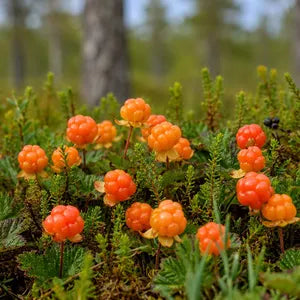
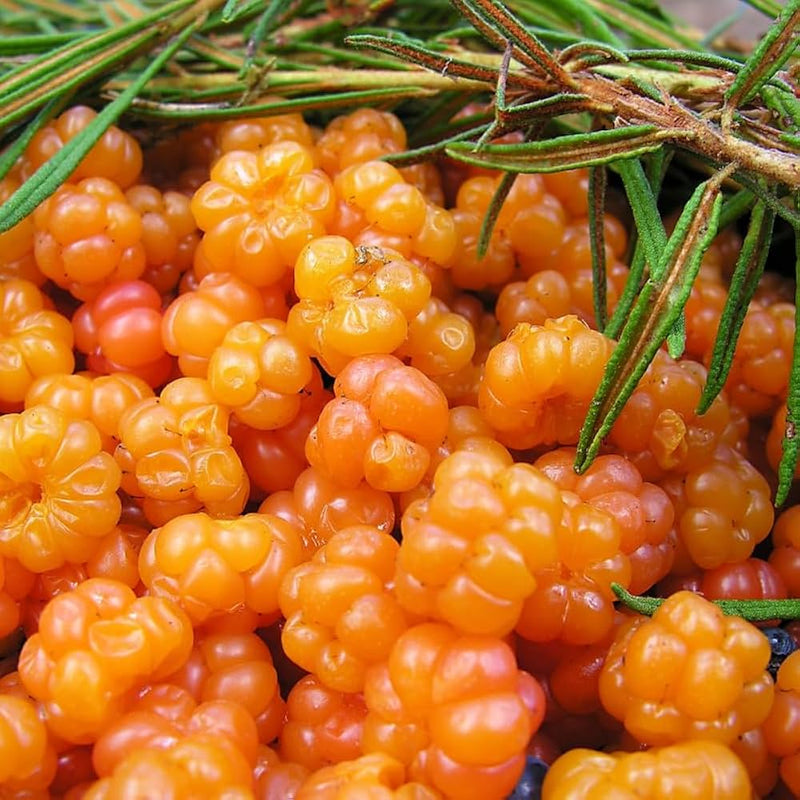
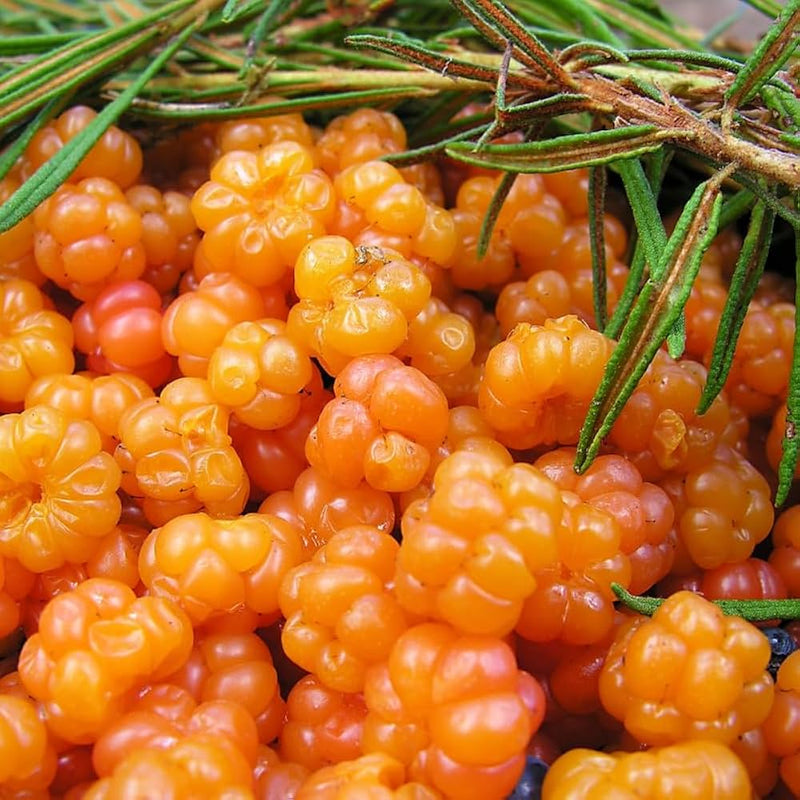
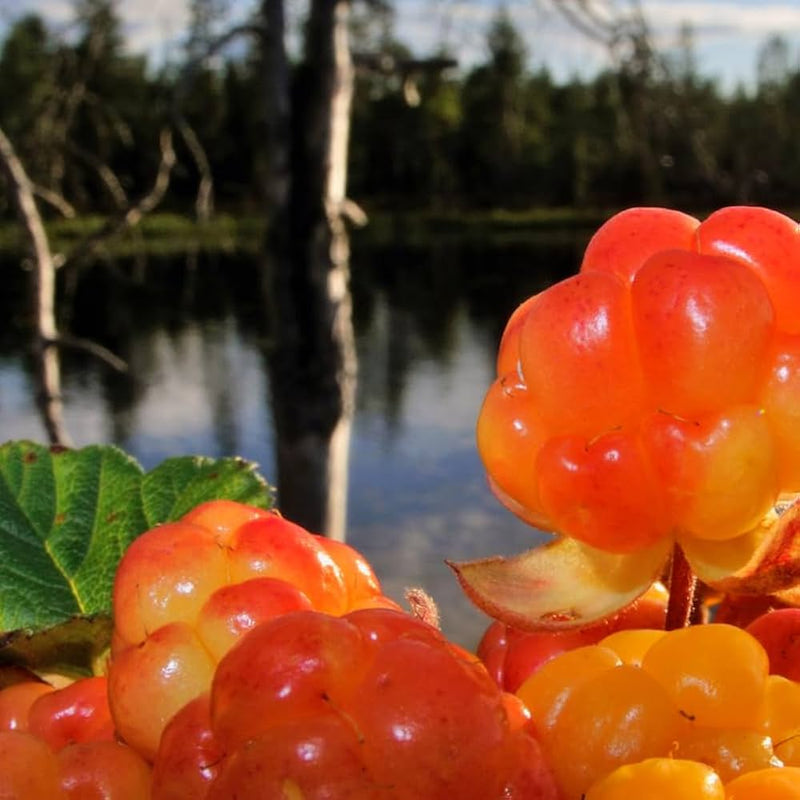
Cloudberry has a well-earned reputation as one of the most prized wild fruits in the world — in Scandinavia, it's treated as a real delicacy, and most cloudberries sold commercially are still hand-harvested from the wild rather than farmed, since the plant is genuinely difficult to cultivate. For collectors and adventurous northern gardeners, growing Cloudberry seeds is a chance to attempt something genuinely rare and special — a low, spreading plant that produces single white flowers followed by berries that ripen from red to a striking golden amber.
This is not an easy, forgiving fruit plant, and it's worth being upfront about that from the start. Cloudberry demands a very specific set of growing conditions and a great deal of patience, but for the right grower in the right climate, it's one of the most rewarding rare fruits you can attempt.
Ila Seeds carries fresh Cloudberry seeds for dedicated growers ready to take on this genuinely challenging, cold-climate specialty crop.
What to Know Before Growing Cloudberry Seeds
Male and Female Plants Are Both Needed — This is essential to understand: cloudberry is dioecious, meaning individual plants are either male or female, and only female plants pollinated by a nearby male will ever produce fruit. A single packet of seeds won't guarantee you get both sexes, and there's no way to tell a seedling's sex until it flowers years later. Growing several plants from seed improves your odds of ending up with both, but fruiting is never guaranteed from a small planting.
Very Slow, Erratic Germination — Cloudberry seeds are notoriously slow and unpredictable to germinate, even with proper cold stratification. Patience here isn't optional — it's part of the deal with this species.
A Very Specific Bog Environment — Cloudberry needs genuinely acidic, consistently wet, peaty soil (roughly pH 3.5-5.0) and cool summer temperatures, generally staying below 75°F. It's not a plant that adapts to average garden soil or warm climates — it needs a dedicated bog-style bed to have any real chance of thriving.
Climate & Hardiness — Native to Arctic and subarctic regions, cloudberry is extremely cold-hardy (surviving temperatures well below zero) but is fundamentally unsuited to warm-summer climates.
Gardening Insights: Growing Cloudberry From Seed
Sunlight: Full sun is preferred; cloudberry does not grow well in shade.
Soil: Build a dedicated bog bed using a mix of roughly 80% sphagnum peat and 20% coarse sand, kept consistently moist to wet. Standard garden soil will not support this plant long-term.
Starting seeds: Cloudberry seeds need cold, moist stratification — typically 4 to 8 weeks refrigerated at 35-40°F — before sowing. Sow shallowly, since seeds need light to germinate and won't emerge well if buried too deep. Keep humidity high and soil consistently moist throughout the germination period, which can take considerably longer than most garden seeds.
Timing: Sow stratified seed in early spring, or sow directly outdoors in a prepared bog bed in early autumn and let natural winter cold provide stratification.
Care once established: Keep the bog bed consistently damp at all times — cloudberry will not tolerate drying out. No fertilization is generally needed if the peat bed is properly maintained. The plant dies back to its rhizome each winter and regrows in spring; this is normal, not a sign of failure.
Frequently Asked Questions
Will my Cloudberry seeds grow into fruiting plants?
Cloudberry is dioecious, meaning individual plants are either male or female, and only pollinated female plants produce fruit. A single packet of seeds doesn't guarantee both sexes; growing multiple plants improves the odds, but fruiting is never guaranteed from a small planting.
How long do Cloudberry seeds take to germinate?
Cloudberry seeds are notoriously slow and erratic to germinate, even after proper cold stratification (typically 4-8 weeks refrigerated). Patience is essential with this species.
Can Cloudberry be grown in a normal garden bed?
Not reliably. Cloudberry needs a dedicated, very acidic (pH 3.5-5.0) bog-style bed that stays consistently wet, similar to but wetter than blueberry growing conditions. Standard garden soil will not sustain it long-term.
Can Cloudberry grow in warm climates?
No, not well. Cloudberry needs cool summer temperatures, generally staying below 75°F, and is native to Arctic and subarctic regions. It's not well suited to warm-summer climates.
Where can I buy Cloudberry seeds online?
Ila Seeds carries fresh, rare Cloudberry (Rubus chamaemorus) seeds for dedicated cold-climate growers. Browse the collection and we ship straight to your door.



 100% Organic Heirloom