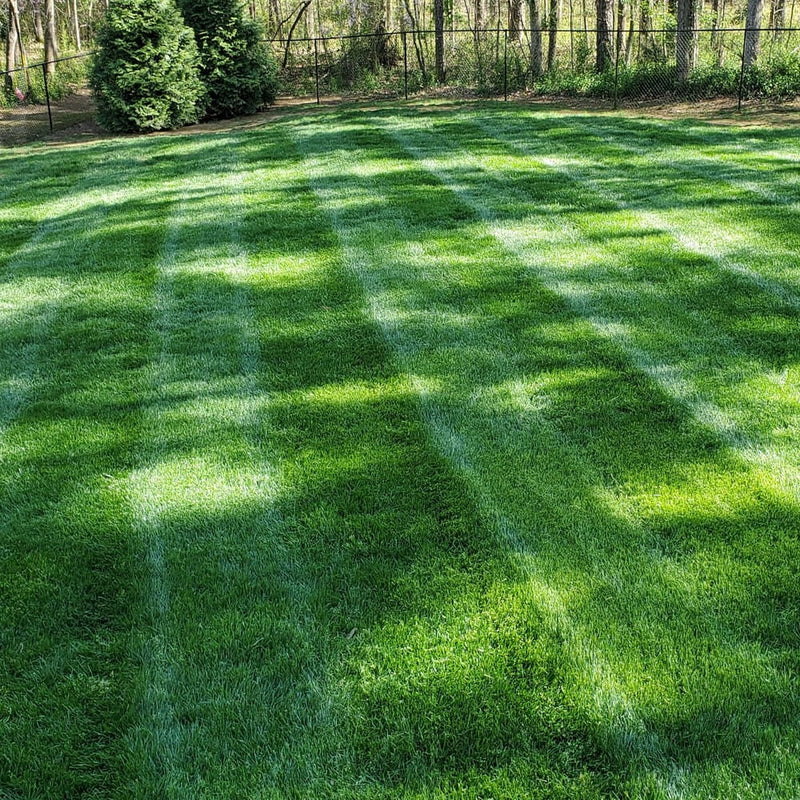
Evergreen Lawn Perennial Grass Poa pratensis Seeds
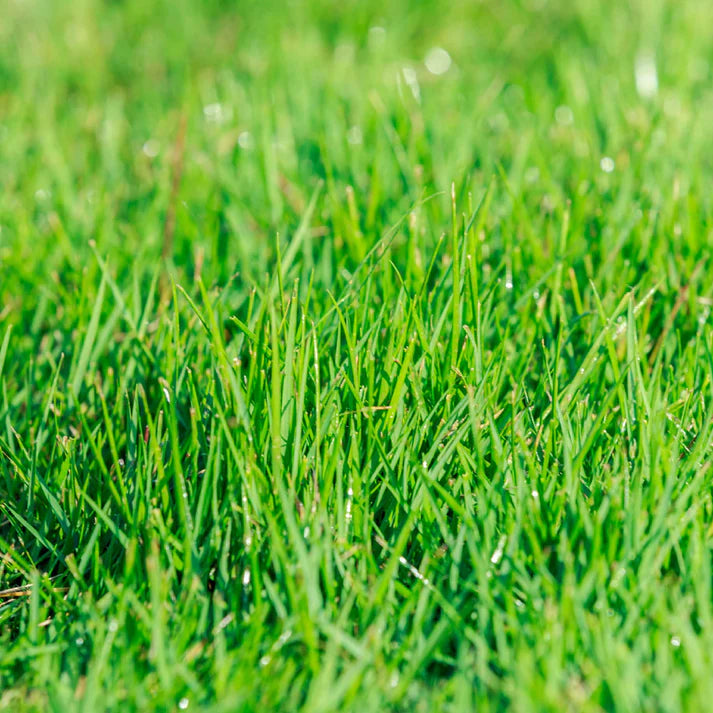
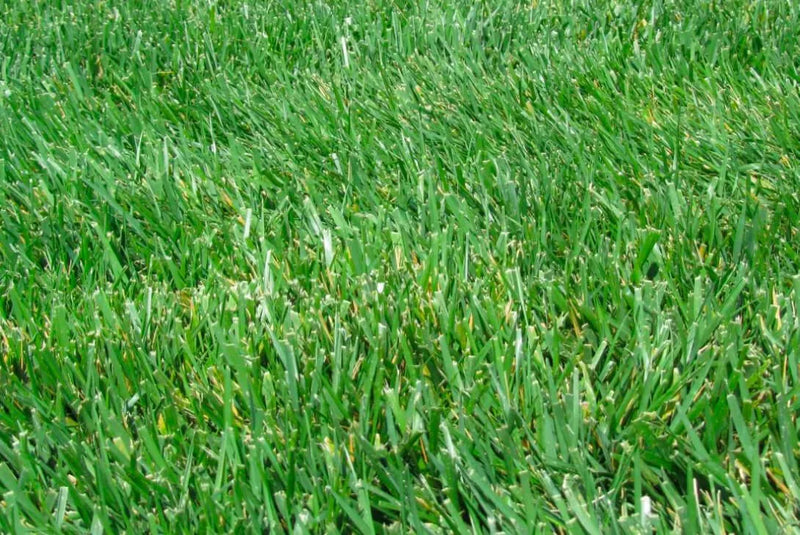
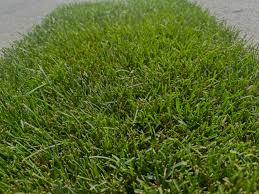
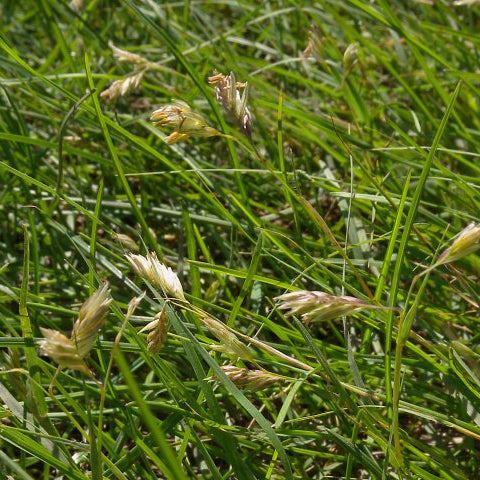
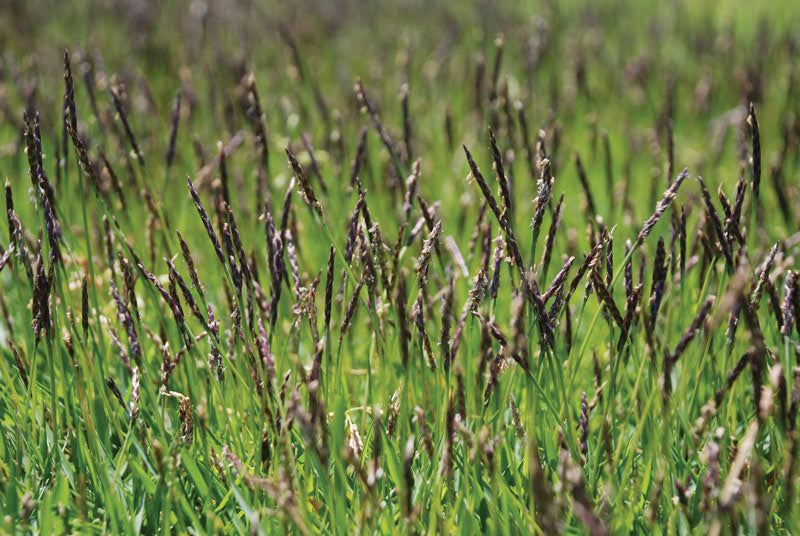
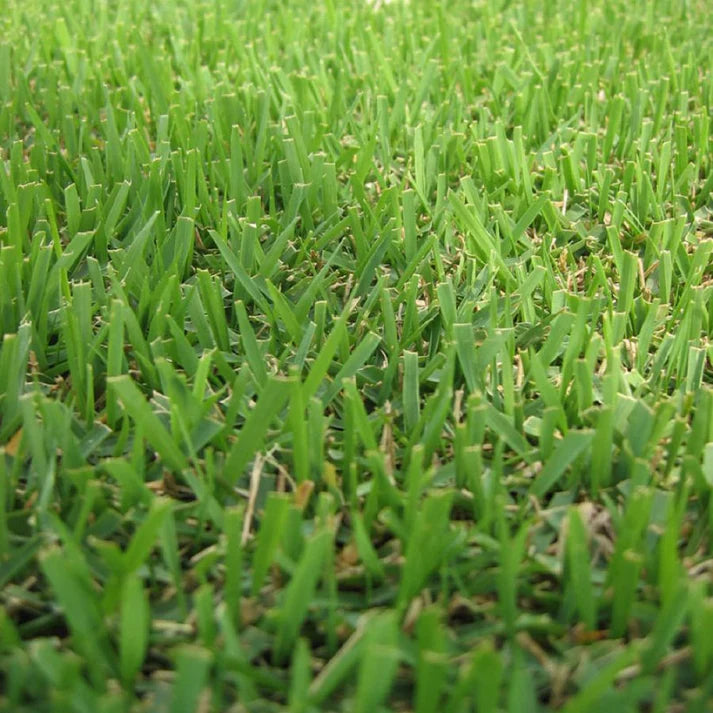
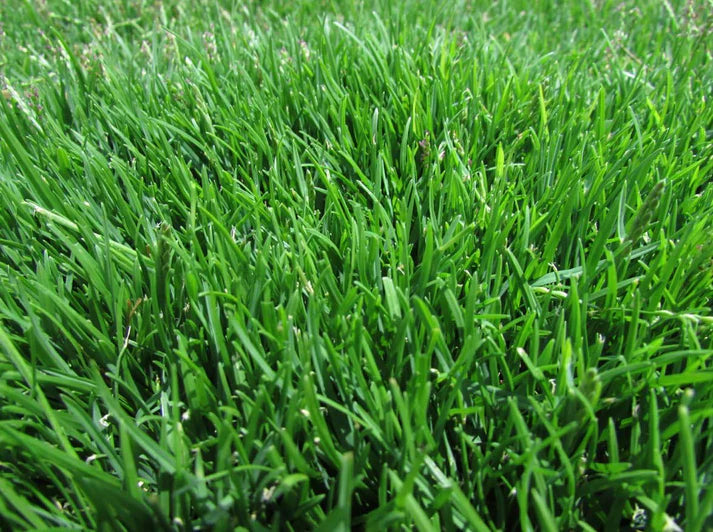
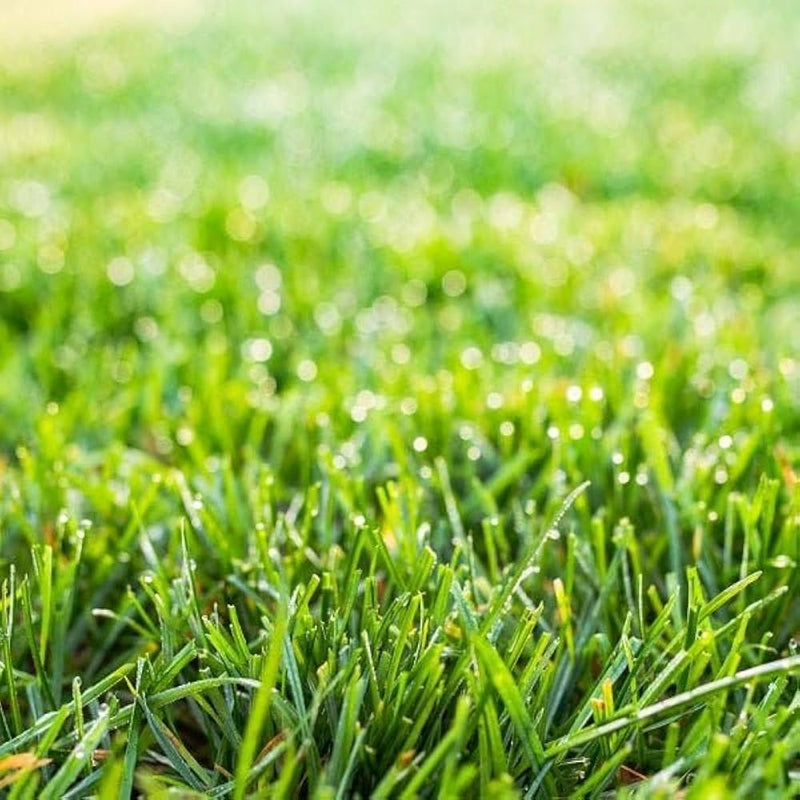
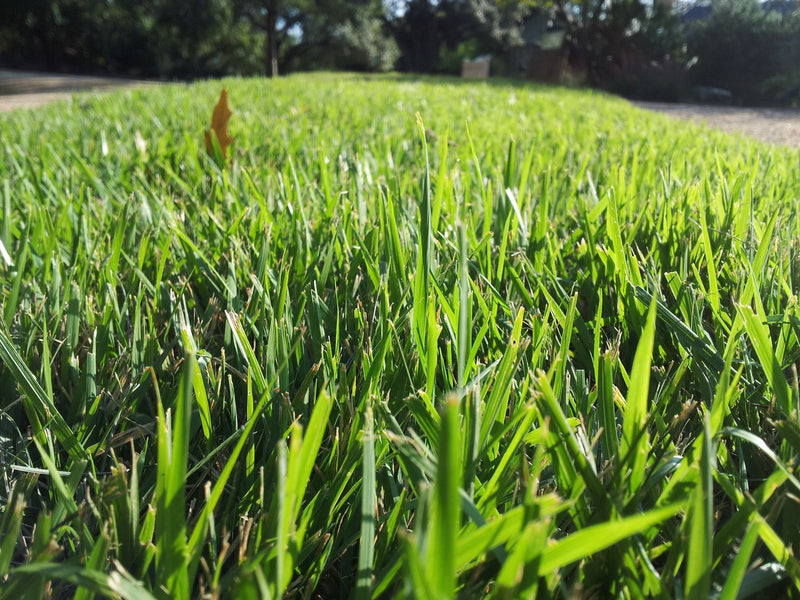
Build a dense, fine-textured lawn with Ila Seeds' Kentucky Bluegrass seeds. Poa pratensis is the gold standard cool-season lawn grass across northern climates, prized for its rich blue-green color and a rhizome system that lets it self-repair after wear and damage. Our Kentucky Bluegrass seeds are fresh stock, well suited to home lawns, parks, and athletic areas in regions with real winters.
100% Organic Heirloom
168 products
-
-

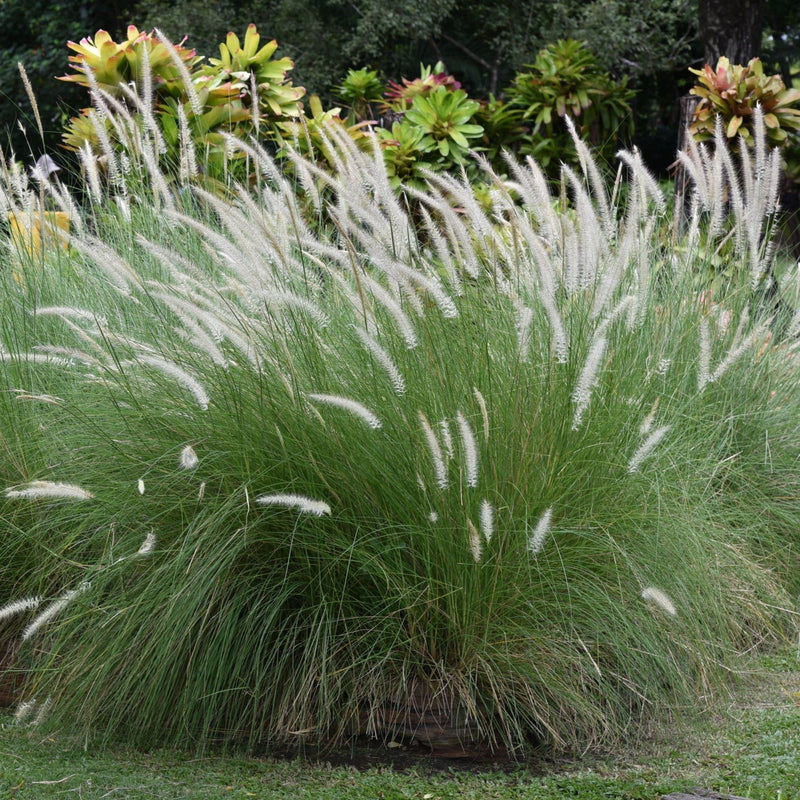
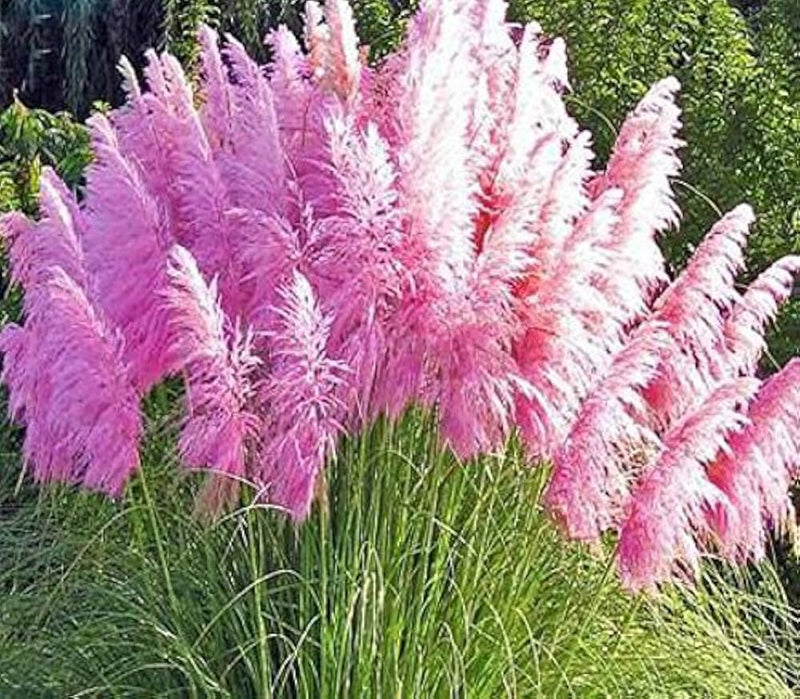
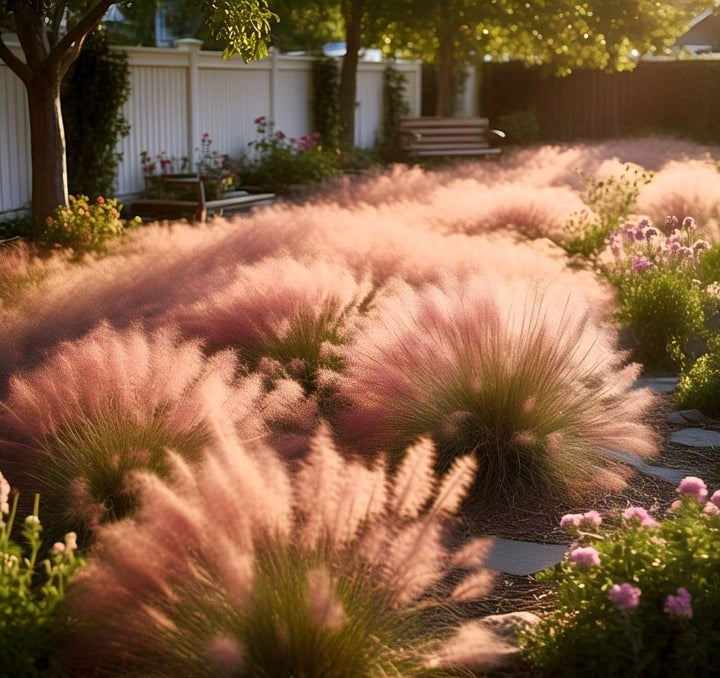
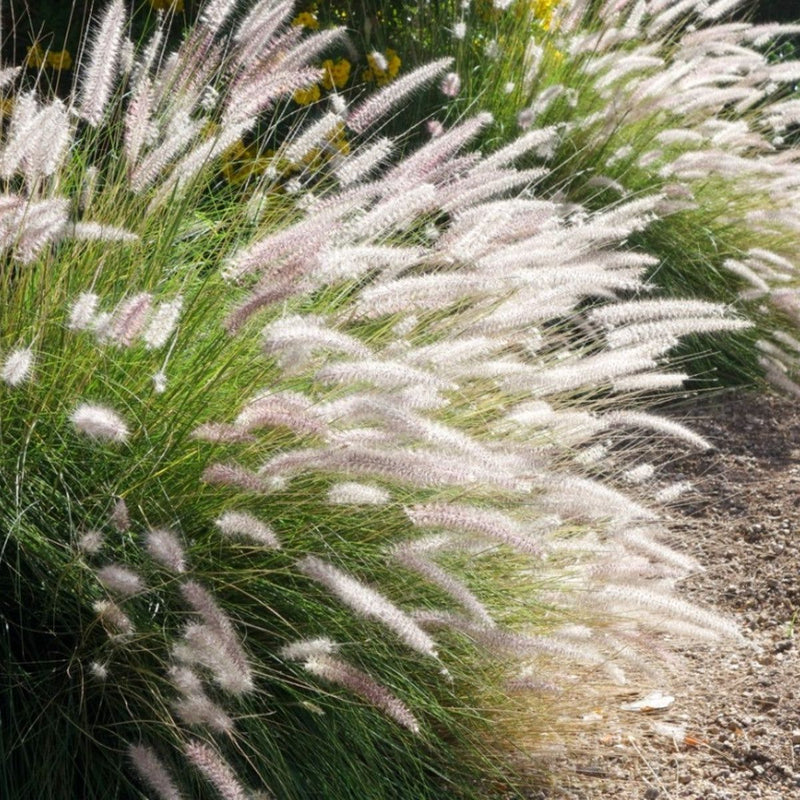
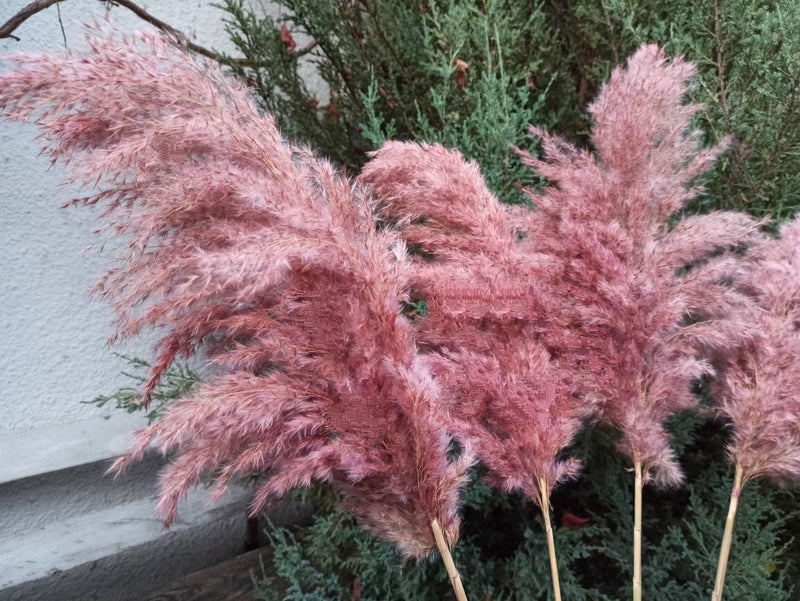
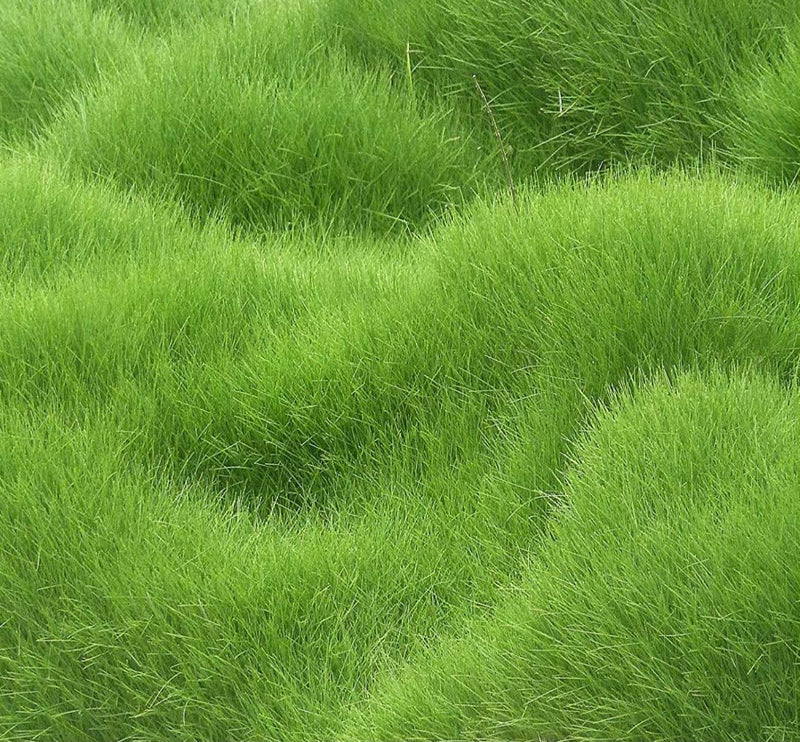
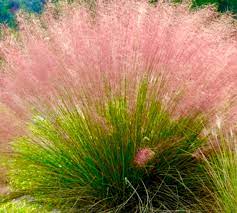
Pink Muhly Grass Seeds for Planting,All Year Growing Low Maintenance Plant Seeds- 100 pcs
$19.99- 1/8 LB
- 1/4 LB
- 1/2 LB
- 1 LB
-
-

-

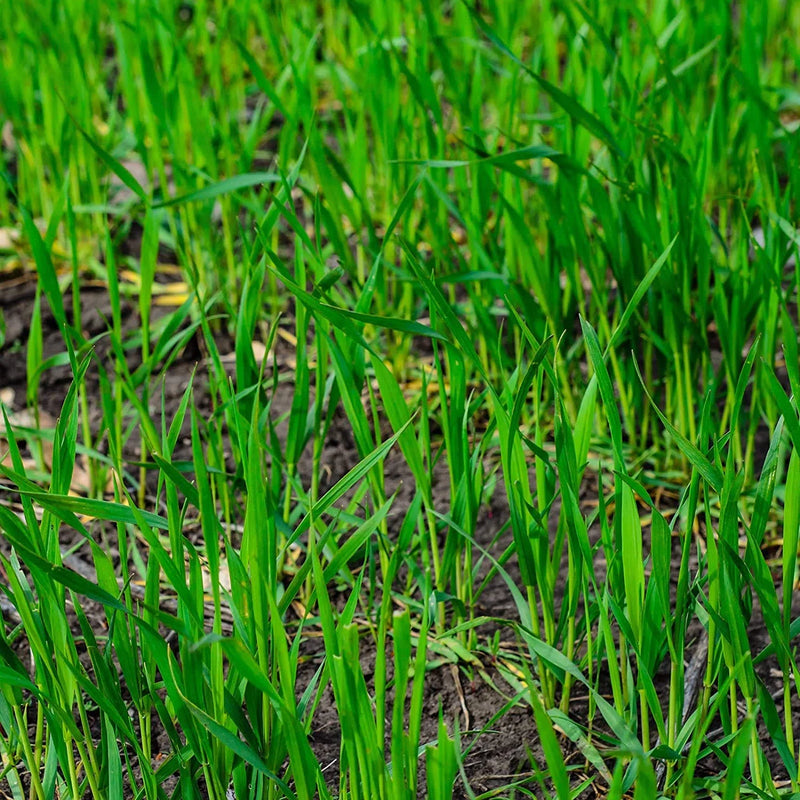
Sold outEvergreen Lawn Perennial Grass (Poa pratensis) Seeds for Planting | Cool Season Turf for Home Gardens & Lawn Renovation
$16.99- 100 Pcs
- 500 Pcs
- 1000 Pcs
- 2000 Pcs
-

Hierochloe odorata Grass Seeds – Fragrant Ornamental Grass for Herb & Native Gardens
$16.99- 100 Pcs
- 500 Pcs
- 1000 Pcs
- 2000 Pcs
-

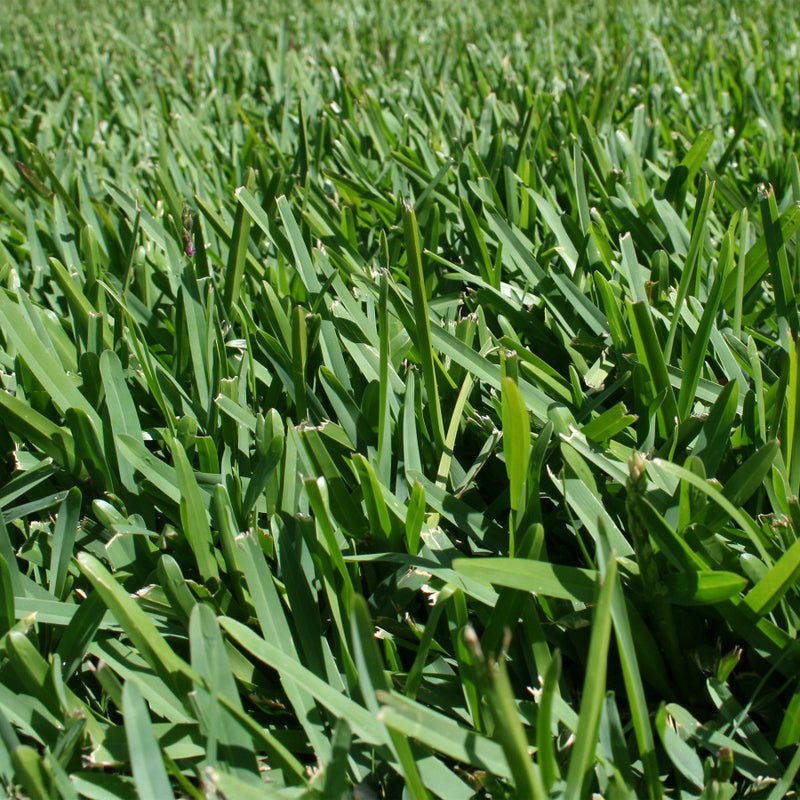
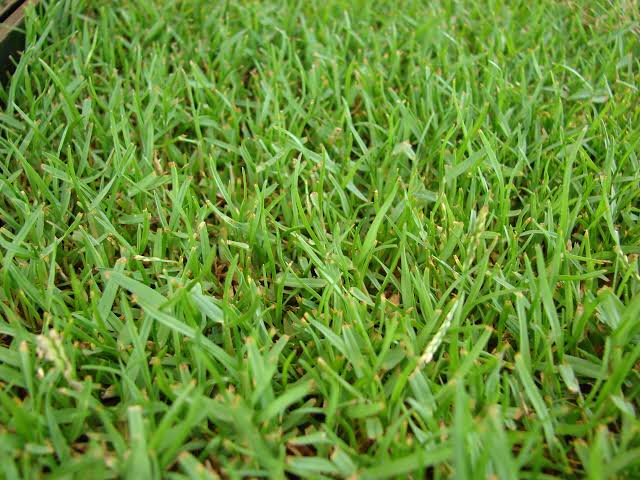
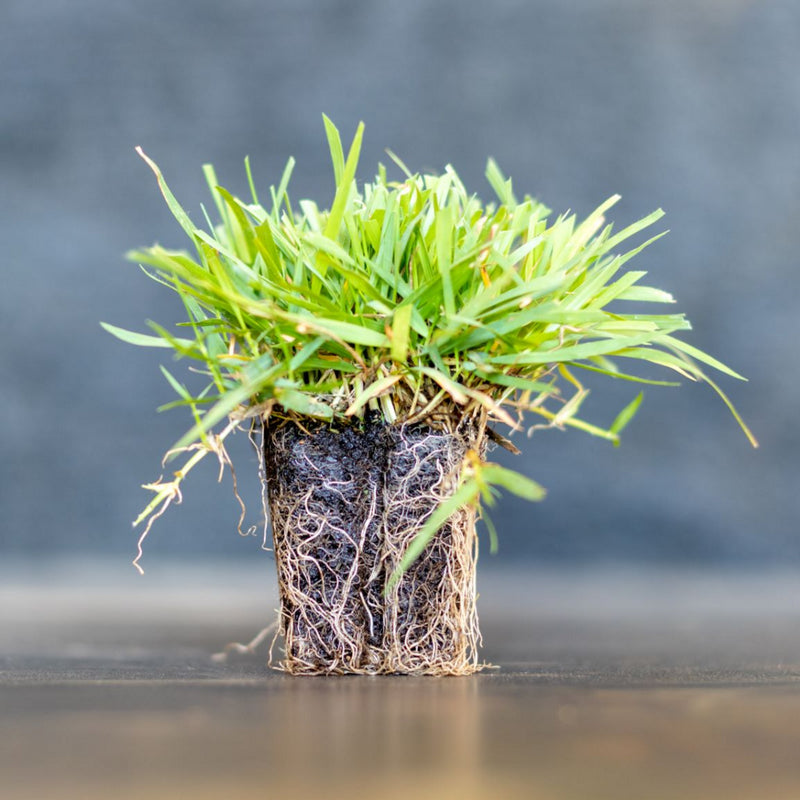
Sold outEmerald Zoysia Grass Seeds for Planting – Fine Textured Warm Season Lawn Seed, 1/8 lb
$16.99- 100 Pcs
- 500 Pcs
- 1000 Pcs
- 2000 Pcs
-

Sold outBuffalo Grass (Bouteloua dactyloides) Seeds for Planting | Warm-Season Perennial Lawn Grass | Heirloom & Non-GMO
$16.99- 100 Pcs
- 500 Pcs
- 1000 Pcs
- 2000 Pcs
-

Molinia Caerulea Arundinacea Grass Seeds for Planting
$19.99- 1/8 LB
- 1/4 LB
- 1/2 LB
- 1 LB
-
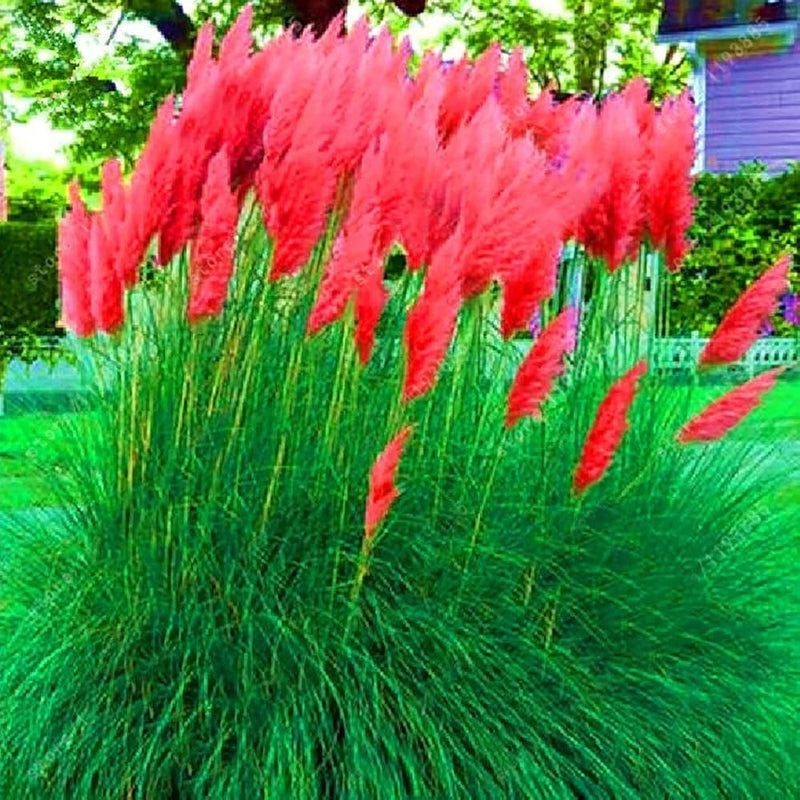
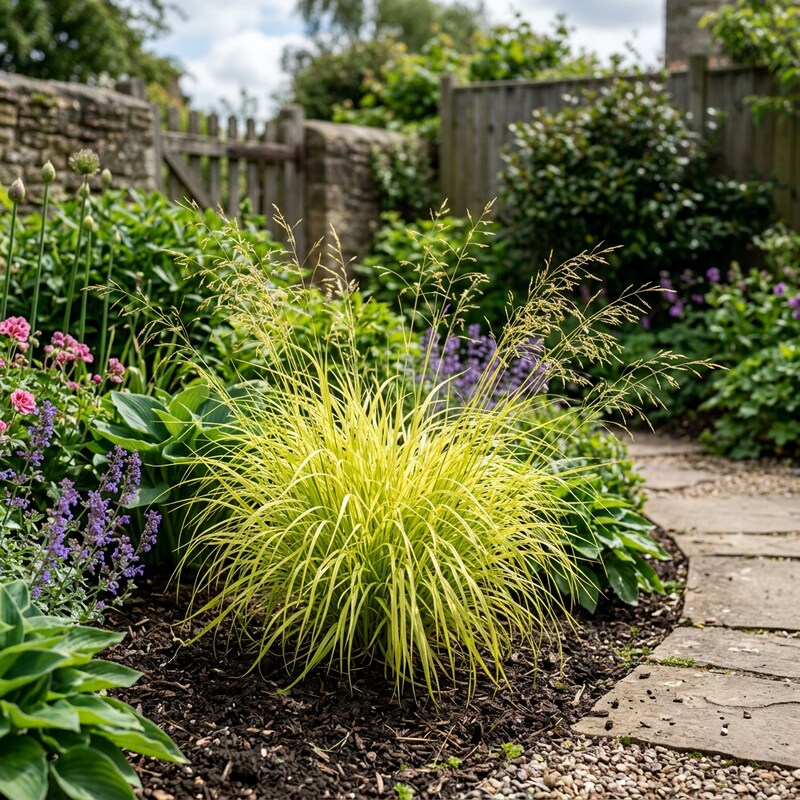
Milium Effusum 'Aureum' Grass Seeds – Ornamental Golden Wood Millet for Gardens
$19.99- 1/8 LB
- 1/4 LB
- 1/2 LB
- 1 LB
-

Melica Altissima Atropurpurea Grass Seeds for Planting
$19.99- 1/8 LB
- 1/4 LB
- 1/2 LB
- 1 LB
-

-
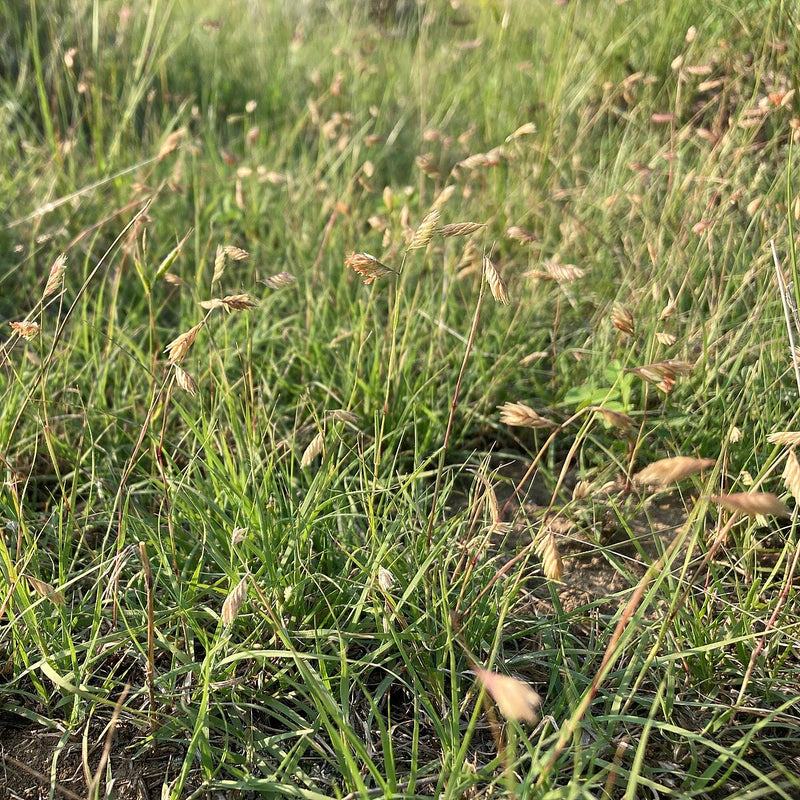
Luzula Sylvatica Solar Flair Grass Seeds for Planting
$19.99- 1/8 LB
- 1/4 LB
- 1/2 LB
- 1 LB
-
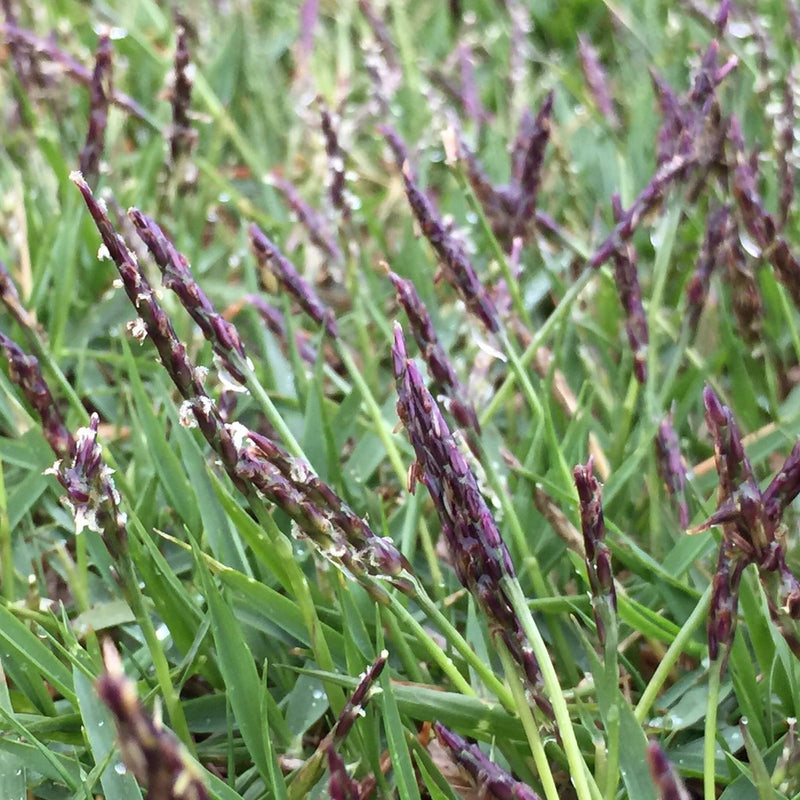
Luzula Sylvatica Grass Seeds for Planting | Hardy Woodland Grass
$19.99- 1/8 LB
- 1/4 LB
- 1/2 LB
- 1 LB
-

Luzula Spicata Grass Seeds for Planting | Hardy Ornamental Grass
$19.99- 1/8 LB
- 1/4 LB
- 1/2 LB
- 1 LB
-

Luzula Nivea Grass Seeds for Planting | Ornamental White Woodrush
$19.99- 1/8 LB
- 1/4 LB
- 1/2 LB
- 1 LB
-

-
-

Juncus Pincei Grass Seeds for Planting – Premium Lawn & Landscape Seeds
$19.99- 1/8 LB
- 1/4 LB
- 1/2 LB
- 1 LB
-

Juncus Pincei Grass Seeds for Planting – Premium Lawn & Landscape Seeds
$19.99- 1/8 LB
- 1/4 LB
- 1/2 LB
- 1 LB
-

Juncus Patens 'Carman's Gray' Grass Seeds for Planting
$19.99- 1/8 LB
- 1/4 LB
- 1/2 LB
- 1 LB
-

Juncus Pallidus Grass Seeds for Planting | Premium Lawn & Garden Seeds
$19.99- 1/8 LB
- 1/4 LB
- 1/2 LB
- 1 LB
-

-
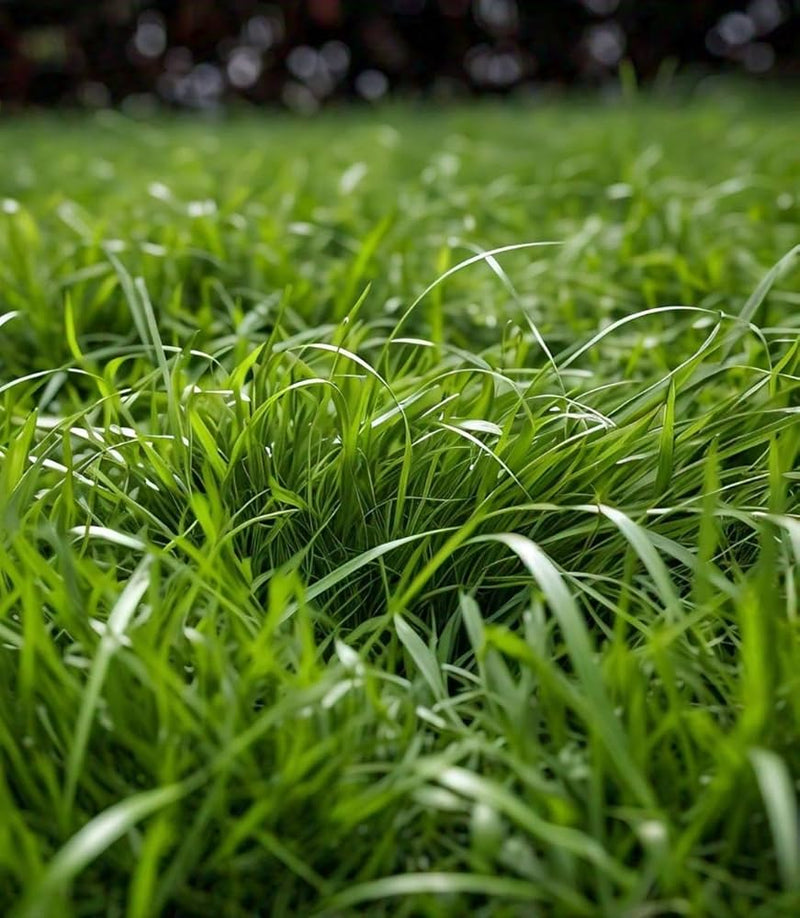
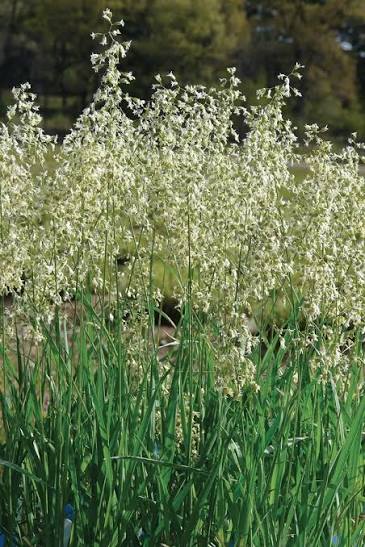
Juncus Krausii Grass Seeds for Planting | Premium Lawn & Landscape Seeds
$19.99- 1/8 LB
- 1/4 LB
- 1/2 LB
- 1 LB
Why Grow Kentucky Bluegrass From Seed
If you've ever admired a golf course or a park lawn with that classic dense, dark green look, there's a good chance you were looking at Kentucky Bluegrass. Kentucky Bluegrass seeds grow into a fine-textured turf that spreads by underground rhizomes, letting the lawn actually heal itself after foot traffic, pet activity, or minor damage — something a lot of other lawn grasses simply can't do.
It does take a bit more patience up front than some faster-growing grasses, since Kentucky Bluegrass germinates more slowly than ryegrass or fescue. But once it fills in, that same rhizome network is what makes it such a durable, long-lasting lawn choice for homeowners in cooler climates who want a genuinely premium result.
Ila Seeds carries fresh, quality-tested Kentucky Bluegrass seeds for home lawns in regions with cold winters and moderate summers.
What to Know Before Planting Kentucky Bluegrass Seeds
A Note on "Evergreen" — Kentucky Bluegrass is a cool-season grass, meaning it grows most vigorously in spring and fall and can go semi-dormant and lose some color during periods of intense summer heat or drought stress, especially further south. It's not literally evergreen in every climate year-round, but it holds its green color through most of the growing season better than many alternatives, particularly in regions with real winters.
Best Climate Fit — This grass performs best in USDA zones 3 through 9, in areas with cold winters and moderate summers. It struggles in regions where average summer temperatures consistently exceed 75°F, so it's better suited to northern and transition-zone lawns than the deep South.
Slower Establishment — Kentucky Bluegrass germinates more slowly than many other cool-season grasses and has a longer juvenile establishment period, meaning a bit more patience and consistent watering is needed early on compared to faster-establishing options like ryegrass.
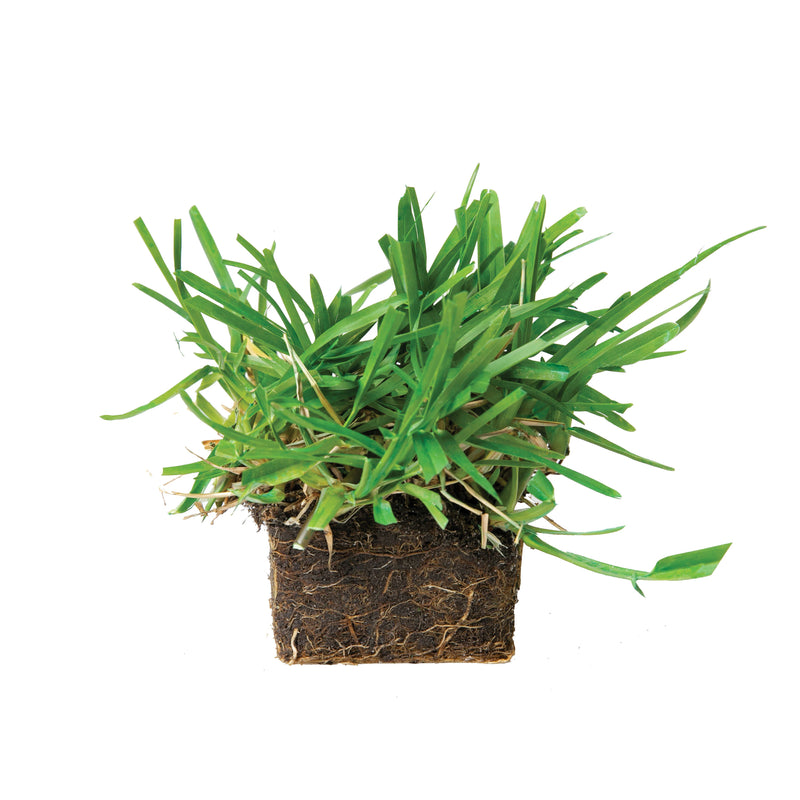
Self-Repairing Growth Habit — Once established, the spreading rhizome system is what sets Kentucky Bluegrass apart, letting it fill in bare or damaged spots over time without reseeding, unlike many bunch-type grasses.
Gardening Insights: Growing Kentucky Bluegrass From Seed
Sunlight: Full sun to light shade, with at least 4-6 hours of direct sunlight daily for the best density and color.
Soil: Well-drained, fertile soil with a pH between 6 and 7 works best. Prepare a firm, smooth seedbed and amend disturbed or poor soil with compost ahead of seeding.
Starting seeds: Sow at a rate of about 2-3 pounds per 1,000 square feet for new lawns (roughly half that for overseeding), planting at a depth of ¼ to ½ inch. Keep the soil consistently moist during establishment; germination typically takes 14 to 28 days, longer than many other cool-season grasses.
Timing: Fall seeding generally gives the best results, since cool temperatures and reliable moisture support strong germination before winter dormancy. Spring seeding (March to May) is possible but requires more attentive watering to compete with weeds and approaching summer heat.
Care once established: Water deeply but infrequently to encourage a deep root system, and avoid removing more than one-third of the grass height when mowing. Fertilize and water consistently, since Kentucky Bluegrass needs more ongoing input than some lower-maintenance grasses to stay dense and healthy. Overseed periodically to maintain thickness, since a portion of any lawn naturally reaches the end of its lifecycle each year.
Frequently Asked Questions
Does Kentucky Bluegrass stay green all year round?
Kentucky Bluegrass is a cool-season grass and can go semi-dormant, losing some color, during periods of intense summer heat or drought, particularly in warmer climates. It holds its color best through most of the growing season in regions with cold winters and moderate summers.
How long does Kentucky Bluegrass take to germinate?
Kentucky Bluegrass seeds typically take 14 to 28 days to germinate, which is slower than many other cool-season grasses, and requires consistent moisture throughout that period.
When is the best time to plant Kentucky Bluegrass seeds?
Fall is generally the best time to seed Kentucky Bluegrass, since cooler temperatures and consistent moisture support strong germination before winter dormancy. Spring seeding is possible but needs more attentive watering.
Can Kentucky Bluegrass repair itself after damage?
Yes, Kentucky Bluegrass spreads through underground rhizomes, which allow it to fill in bare or damaged spots over time, unlike many bunch-type grasses that rely entirely on reseeding to recover.
Where can I buy Kentucky Bluegrass seeds online?
Ila Seeds carries fresh, quality-tested Kentucky Bluegrass (Poa pratensis) seeds for home lawns. Browse the collection and we ship straight to your door.Why Grow Kentucky Bluegrass From Seed
If you've ever admired a golf course or a park lawn with that classic dense, dark green look, there's a good chance you were looking at Kentucky Bluegrass. Kentucky Bluegrass seeds grow into a fine-textured turf that spreads by underground rhizomes, letting the lawn actually heal itself after foot traffic, pet activity, or minor damage — something a lot of other lawn grasses simply can't do.
It does take a bit more patience up front than some faster-growing grasses, since Kentucky Bluegrass germinates more slowly than ryegrass or fescue. But once it fills in, that same rhizome network is what makes it such a durable, long-lasting lawn choice for homeowners in cooler climates who want a genuinely premium result.
Ila Seeds carries fresh, quality-tested Kentucky Bluegrass seeds for home lawns in regions with cold winters and moderate summers.
What to Know Before Planting Kentucky Bluegrass Seeds
A Note on "Evergreen" — Kentucky Bluegrass is a cool-season grass, meaning it grows most vigorously in spring and fall and can go semi-dormant and lose some color during periods of intense summer heat or drought stress, especially further south. It's not literally evergreen in every climate year-round, but it holds its green color through most of the growing season better than many alternatives, particularly in regions with real winters.
Best Climate Fit — This grass performs best in USDA zones 3 through 9, in areas with cold winters and moderate summers. It struggles in regions where average summer temperatures consistently exceed 75°F, so it's better suited to northern and transition-zone lawns than the deep South.
Slower Establishment — Kentucky Bluegrass germinates more slowly than many other cool-season grasses and has a longer juvenile establishment period, meaning a bit more patience and consistent watering is needed early on compared to faster-establishing options like ryegrass.
Self-Repairing Growth Habit — Once established, the spreading rhizome system is what sets Kentucky Bluegrass apart, letting it fill in bare or damaged spots over time without reseeding, unlike many bunch-type grasses.
Gardening Insights: Growing Kentucky Bluegrass From Seed
Sunlight: Full sun to light shade, with at least 4-6 hours of direct sunlight daily for the best density and color.
Soil: Well-drained, fertile soil with a pH between 6 and 7 works best. Prepare a firm, smooth seedbed and amend disturbed or poor soil with compost ahead of seeding.
Starting seeds: Sow at a rate of about 2-3 pounds per 1,000 square feet for new lawns (roughly half that for overseeding), planting at a depth of ¼ to ½ inch. Keep the soil consistently moist during establishment; germination typically takes 14 to 28 days, longer than many other cool-season grasses.
Timing: Fall seeding generally gives the best results, since cool temperatures and reliable moisture support strong germination before winter dormancy. Spring seeding (March to May) is possible but requires more attentive watering to compete with weeds and approaching summer heat.
Care once established: Water deeply but infrequently to encourage a deep root system, and avoid removing more than one-third of the grass height when mowing. Fertilize and water consistently, since Kentucky Bluegrass needs more ongoing input than some lower-maintenance grasses to stay dense and healthy. Overseed periodically to maintain thickness, since a portion of any lawn naturally reaches the end of its lifecycle each year.
Frequently Asked Questions
Does Kentucky Bluegrass stay green all year round?
Kentucky Bluegrass is a cool-season grass and can go semi-dormant, losing some color, during periods of intense summer heat or drought, particularly in warmer climates. It holds its color best through most of the growing season in regions with cold winters and moderate summers.
How long does Kentucky Bluegrass take to germinate?
Kentucky Bluegrass seeds typically take 14 to 28 days to germinate, which is slower than many other cool-season grasses, and requires consistent moisture throughout that period.
When is the best time to plant Kentucky Bluegrass seeds?
Fall is generally the best time to seed Kentucky Bluegrass, since cooler temperatures and consistent moisture support strong germination before winter dormancy. Spring seeding is possible but needs more attentive watering.
Can Kentucky Bluegrass repair itself after damage?
Yes, Kentucky Bluegrass spreads through underground rhizomes, which allow it to fill in bare or damaged spots over time, unlike many bunch-type grasses that rely entirely on reseeding to recover.
Where can I buy Kentucky Bluegrass seeds online?
Ila Seeds carries fresh, quality-tested Kentucky Bluegrass (Poa pratensis) seeds for home lawns. Browse the collection and we ship straight to your door.