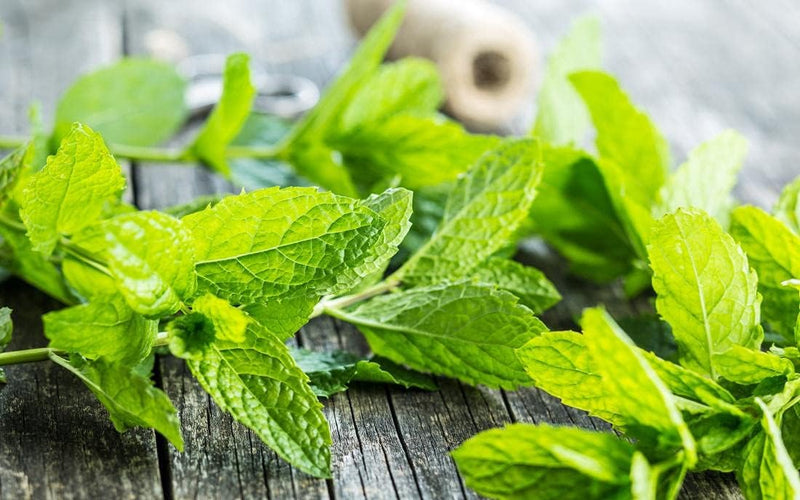
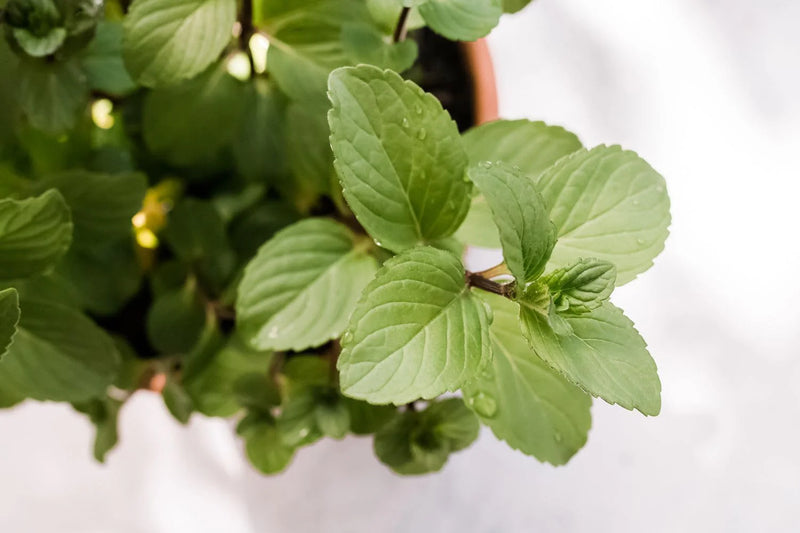
Why Grow Chocolate Mint Seeds
Chocolate Mint earns its playful name honestly — crush a leaf and you'll catch a genuine hint of cocoa layered over the familiar, cooling mint scent. It's a fun, functional herb for the kitchen: steeped in tea, muddled into drinks, or used as a garnish for desserts and hot chocolate, it adds a little extra character beyond a standard peppermint or spearmint.
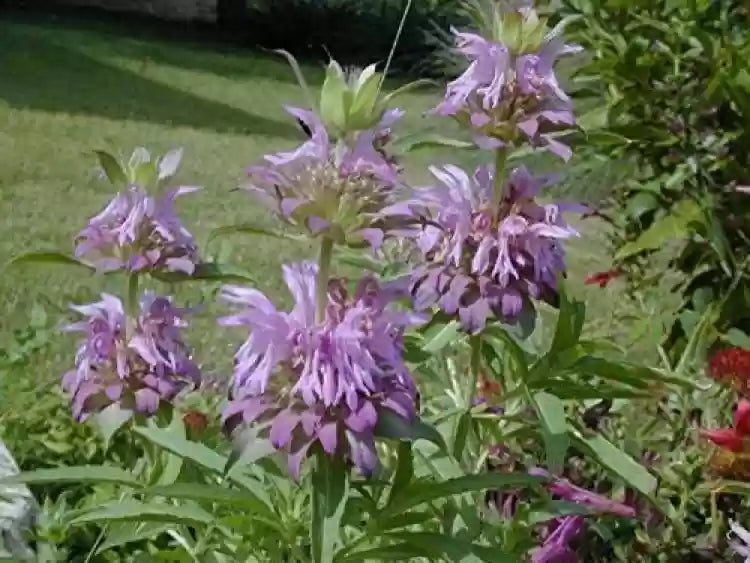
Like all mints, it's a vigorous, fast-growing perennial, and small lavender flower spikes appear in summer, drawing in bees and other pollinators even though the blooms themselves carry little scent. It's a genuinely low-effort herb to keep around once established — the challenge with mint is rarely getting it to grow, but rather keeping it where you want it.
Ila Seeds carries fresh, quality-tested Chocolate Mint seeds for home herb gardens.
What to Know Before Planting Chocolate Mint Seeds
It Will Spread — Plan for Containment — This is the single most important thing to know about any mint: it spreads aggressively through underground rhizomes and is widely considered invasive if planted directly in garden soil. Growing it in a container, or sinking a bottomless pot into the ground around it, is the standard way to enjoy mint without it taking over the whole bed.
Seed-Grown Plants May Vary Slightly — As a named hybrid cultivar, Chocolate Mint doesn't always grow perfectly true to type from seed, and mints readily cross-pollinate with other mint varieties growing nearby, which can shift flavor and aroma over generations. If you want an exact match to a specific plant, division or cuttings are the more reliable route, but growing from seed is still a fun, low-cost way to get a genuinely chocolate-scented mint in your garden.
Cross-Pollination — If you're growing multiple mint varieties, keep them reasonably separated if you want to preserve distinct flavors over time, since different types will interbreed and gradually blur together.
Gardening Insights: Growing Chocolate Mint From Seed
Sunlight: Partial shade to full sun. Mint tolerates a wide range of light conditions, though some afternoon shade helps in very hot climates.
Soil: Rich, consistently moist, well-draining soil. Mint enjoys regular moisture and benefits from added compost or organic matter.
Starting seeds: Sow seeds indoors about 6-8 weeks before your last expected frost, or direct sow after frost danger has passed. Keep soil consistently moist; germination typically takes 10 to 15 days.
Timing: Start seeds indoors in late winter to early spring, or direct sow outdoors once the weather has warmed.
Care once established: Keep soil consistently moist and water regularly, since mint doesn't like to dry out. Prune back regularly to encourage bushy growth and prevent legginess, and harvest often — regular cutting keeps the plant productive and helps manage its spread.
Frequently Asked Questions
Is Chocolate Mint invasive?
Yes — like all mints, it spreads aggressively through underground rhizomes and is widely considered invasive if planted directly in garden soil. Growing it in a container or with an in-ground barrier is the standard way to keep it contained.
Does Chocolate Mint really taste like chocolate?
It has a genuine cocoa-like undertone layered over classic mint coolness, making it a popular choice for tea, drinks, and dessert garnishes, though it's more a chocolate hint than a strong chocolate flavor.
Will seed-grown Chocolate Mint match the parent plant exactly?
Not always precisely — as a named hybrid cultivar, mint doesn't always grow perfectly true to type from seed, and mints cross-pollinate readily. Division or cuttings are more reliable if you want an exact match to a specific plant.
How long do Chocolate Mint seeds take to germinate?
Germination typically takes 10 to 15 days under consistently moist, warm conditions.
Where can I buy Chocolate Mint seeds online?
Ila Seeds carries fresh, quality-tested Chocolate Mint seeds for home herb gardens. Browse the collection and we ship straight to your door.